
A shopping list template turns a purchase plan into clear items, quantities and priorities. Group purchases by purpose or store, check what you already have and label acceptable alternatives. This helps avoid duplicate buying while leaving room to adjust the plan.
Coordinate errands in a daily schedule, organize event purchases against a guest list and review recorded business spending with an expense report. An estimated shopping budget and a record of actual spending should remain separate.
The five previews below lead to two PDF destinations and three external resource pages. The collection includes grocery, classroom, and barbecue examples. These destinations are not five identical editable files; check the selected resource’s actual format, contents, and access conditions before using it.
For food purchases, the grocery list guide offers a more specific approach. A packing list records what must travel with you after purchases are made. A checklist can support a final preparation review without confusing shopping with every other task.
Start with the purchase purpose
Name the occasion or scope at the top of the page. A household restock, an office supply run, and a weekend gathering need different categories. A clear purpose helps remove tempting but unrelated items and makes it easier for another person to understand why each purchase appears.
Add the required date where timing matters. This can be the day an item must be available rather than the day you intend to visit a shop. Distinguishing those dates leaves room for delivery, collection, or replacement when a purchase is unavailable.
Keep a reference to the underlying plan when the list belongs to a larger activity. The shopping sheet records purchases, while the event or project plan records responsibilities and other arrangements. Buying plates does not confirm that a venue, transport, or guest response has been arranged.
Check what is already available
Before adding quantities, review the relevant cupboard, storage area, or existing supplies. An item on an old list may still be available. Record usable stock and purchases needed separately if the distinction helps the person shopping make the right decision.
Check suitability as well as quantity. Having a box of something does not establish that its size, condition, or specification fits the current purpose. For equipment and replacement parts, use the actual approved specification rather than a vague description that invites an unsuitable substitute.
Avoid treating uncertain stock as zero without checking. Mark it for confirmation when another person holds the information. A short question resolved before shopping can be more useful than buying an unnecessary duplicate or discovering too late that the item is incompatible.
Write quantities and units clearly
Include an item name, quantity to buy, and unit or pack size. “Cups, three packs of twenty” gives the shopper a different instruction from “cups, three.” Where only the total number matters, explain how pack sizes can be adjusted to reach the required amount.
Separate the amount needed from the amount purchased. If you need thirty items and each pack contains twelve, three packs supply thirty-six. The list can show the need and the chosen purchase quantity without implying that thirty-six individual items were originally required.
For variable sizes, record the relevant dimension or specification. A storage box, table covering, or printed label can be the wrong purchase even when the count is correct. Include enough detail to identify the item while avoiding a crowded paragraph in each row.
Group items for the actual shopping route
Categories can follow item type, supplier, store department, or collection point. Choose the grouping that helps the user take action. For a mixed shopping trip, grouping by stop can prevent a household item from being overlooked among an unrelated office order.
Keep category labels simple and recognizable. A small list may need only household, event, and other supplies. A larger shared list might include a supplier column so that people can filter assignments without creating separate copies that drift apart.
Do not assume the store layout stays constant. Category grouping is a navigation aid, not a guarantee of where an item will be found. If the trip involves delivery or collection, record those arrangements directly instead of designing the whole sheet around aisle order.
Distinguish essentials from optional purchases
A priority column helps when stock, time, or the available spending amount changes. Define required items separately from optional additions. The shopper should understand which purchases support the basic plan and which can wait without making that plan incomplete.
Specify acceptable alternatives where a substitute is appropriate. “Either blue or white plain paper” can be useful when color is flexible. For a product with a required specification, a general instruction to buy anything similar can create a problem rather than solve one.
Set a confirmation route for items that cannot be substituted casually. Record who can decide or how the question should be handled. Do not treat silence as approval for a different size, function, or quantity when those details matter to the purchase.
Fictional example: supplies for a small gathering
Imagine an invented gathering with eighteen expected attendees. The organizer decides that twenty-four suitable cups are required and finds twelve usable cups already available. The shopping list therefore asks for twelve more, while noting the total required and stock already checked.
For napkins, the organizer wants thirty-six and has none in stock. A pack contains twenty, so buying two packs supplies forty. The row records two packs and the pack size; it does not round the requirement down merely to make the numbers fit a single pack.
Decorations are marked optional. Serving items are required, but the list identifies the actual sizes needed. One person handles the purchase and another confirms the supplies on arrival, keeping the shopping status separate from the event’s final readiness check.
These quantities illustrate the layout and arithmetic only. They are not a recommended allowance for every gathering. Actual needs depend on the plan, existing supplies, and intended use, so sample numbers should be replaced before the list is issued.
Use estimated prices carefully
An estimated unit price and estimated total can help compare the planned purchases with an available amount. Label estimates clearly and record actual prices separately. An old price copied from a previous trip does not establish what the next purchase will cost.
Check whether the quantity in the calculation means individual items or packs. In a fictional example, two packs at eight units of currency per pack cost sixteen before any other applicable charges. Multiplying the number of individual pieces by the pack price would produce the wrong estimate.
Record known delivery or other charges separately when they affect the purchase plan. Leave uncertain amounts identified as estimates or awaiting confirmation. A blank charge should not silently become a claim that the charge is zero or included in a quoted item price.
Coordinate a shared shopping list
Use one current list when several people contribute. Identify the person responsible for each assigned purchase, especially when shopping happens at different locations. A name beside a row can reduce duplicate buying more effectively than sending several independently edited screenshots.
Define the meaning of status labels. Needed, assigned, ordered, collected, and unavailable describe different points in the process. An online order may have been placed without the item arriving; a checked box should not conceal that difference when the event depends on delivery.
Add a brief note when an item changes. Record the approved substitute or revised quantity so that another shopper does not follow the earlier instruction. Keep the master clear enough to read without preserving every conversation as a long note inside the item field.
Review the selected template format
A PDF may be a printable reference rather than a file with editable controls. A spreadsheet resource may support sorting or calculations, but inspect its actual features. A classroom example may be designed for a learning activity instead of an adult purchasing workflow.
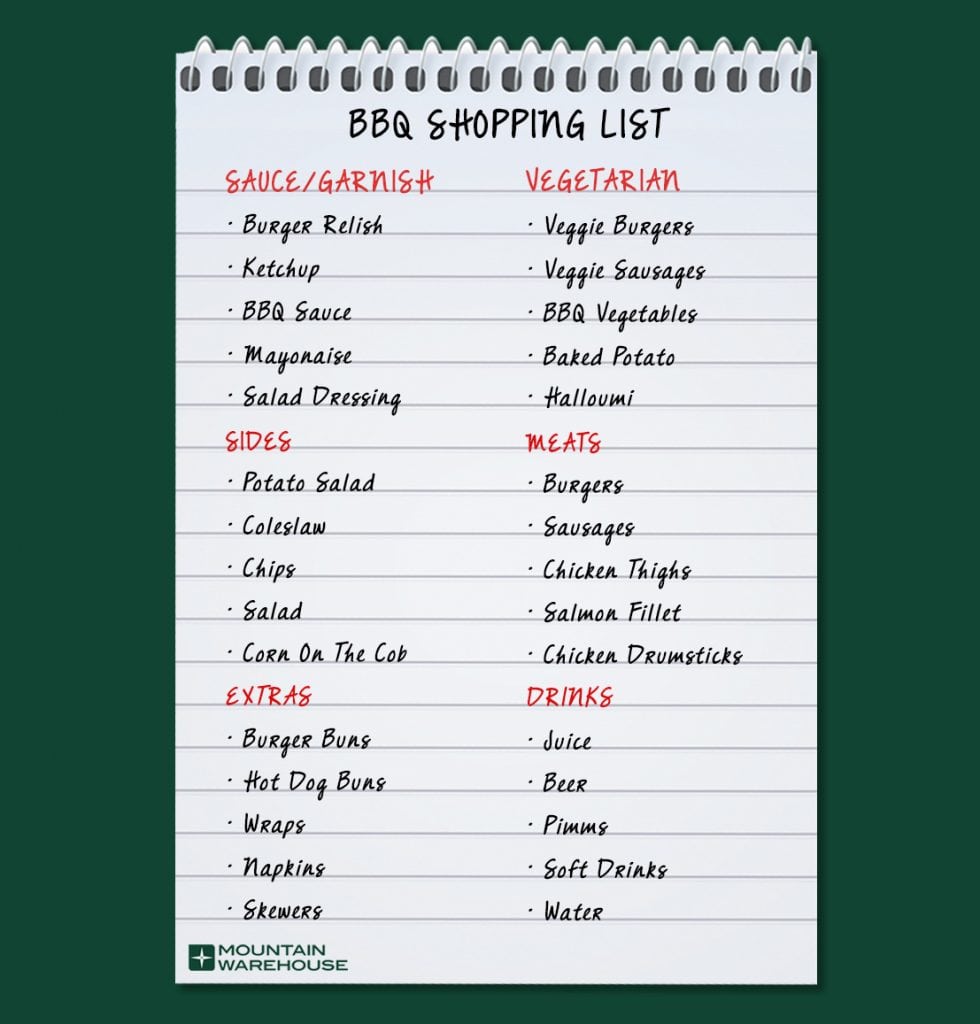
The barbecue resource has a narrower context than a general shopping list. Use its categories only when they suit your plan. A sample can suggest overlooked categories, but it should not determine quantities, product requirements, or priorities for an event it knows nothing about.
Before adopting a layout, try fitting one realistic item description, quantity, and note into the available space. A page that looks attractive in a preview can still be too cramped for pack sizes or shared assignments. Choose readability over decorative detail.
Reconcile purchases and prepare the next copy
After shopping, compare what was obtained with the list. Record unavailable items and approved substitutions, and identify any remaining action. Keep receipts with the appropriate record when they are needed; the shopping list itself is not proof of payment.
For a reusable master, clear actual prices, completion marks, and occasion-specific quantities. Retain useful category headings while reviewing recurring items against current stock. Reusing the structure should not mean buying every item again automatically.
A practical shopping list supports a defined purchase decision. Its value comes from accurate quantities, clear priorities, realistic assignments, and an honest record of what is still missing. It reduces reliance on memory while leaving room for the checks and judgment that a real purchase requires.
Sample Shopping List
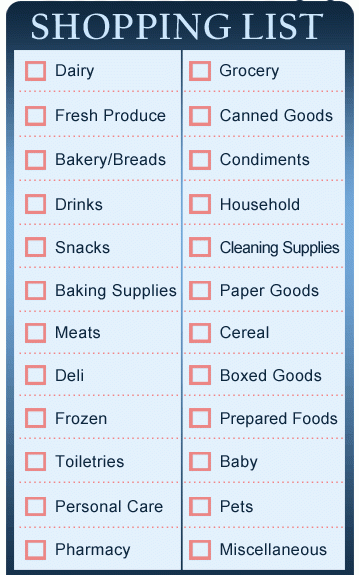

Shopping List Printable
Shopping List In PDF Format
Grocery Shopping List

BBQ Shopping List
Frequently Asked Questions
How is a shopping list different from a grocery list?
A shopping list can include food and other purchases such as supplies, clothing, or equipment. A grocery list focuses on food and related household purchases, often grouped around meals or supermarket categories.
Should I list items or packs?
Record the purchase unit and pack size clearly. If a total requirement matters, show it separately so that the shopper can understand how the packs meet the need.
Can several people use the same list?
Yes. Keep one current version, assign purchases where needed, and define statuses so that ordering, collecting, and receiving an item are distinguishable.
Are all five resources editable spreadsheets?
No. The original destinations include PDFs and external resource pages. Inspect the selected resource rather than assuming that the gallery title establishes its format or features.
What should I do when an item is unavailable?
Record that status and use an agreed substitution or confirmation process. Do not mark it complete simply because the shopping trip has ended.
Should I include estimated prices?
Include them when they help planning, but label estimates and record actual prices separately. Check that quantity and price use the same unit.
How can I avoid buying duplicates?
Review existing usable supplies and share one current list. Identify assignments when more than one person is shopping.
Is a completed list proof of payment?
No. It records shopping status. Retain the appropriate receipt or transaction record when proof of payment is needed.


