
Job proposal examples help present a proposed role, assignment or change in responsibilities for review. Explain the need, scope, expected contribution and resources before requesting a decision. Keep a proposal separate from a confirmed employment offer or an approved project assignment.
Support business context with a company profile, compare hiring-stage wording in offer letter samples and define project deliverables in a statement of work where appropriate. Choose the record that matches the decision instead of blending several meanings of job proposal.
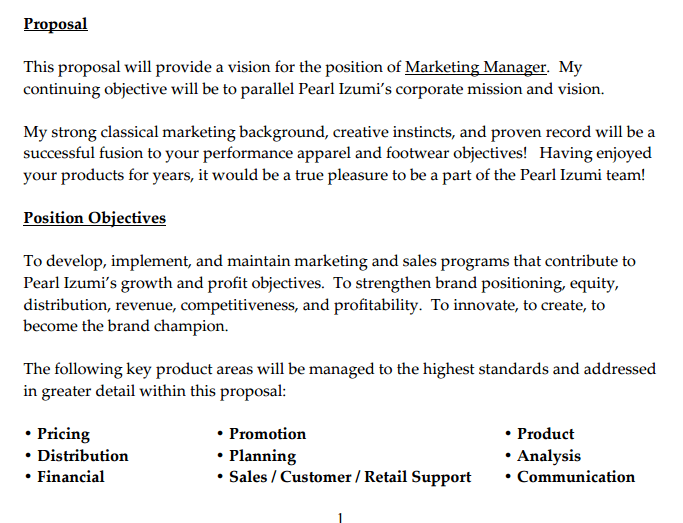
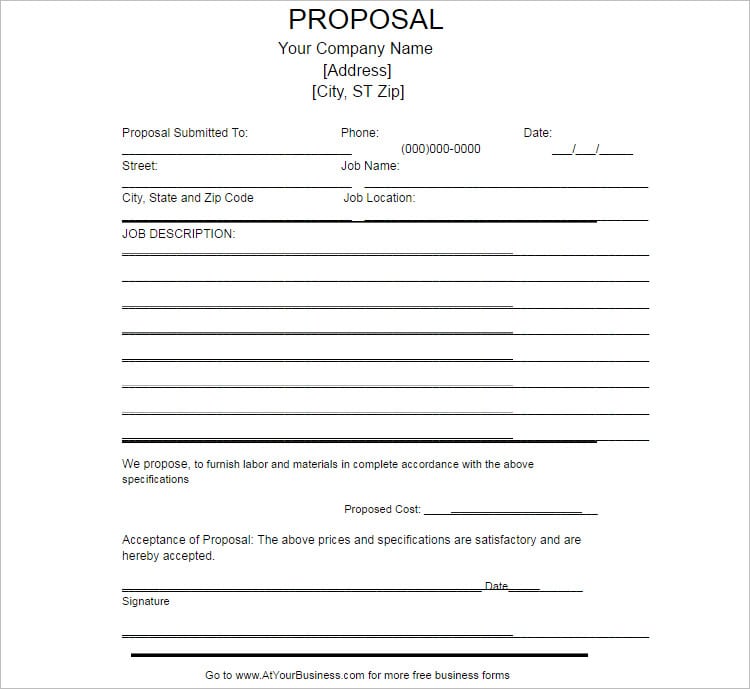
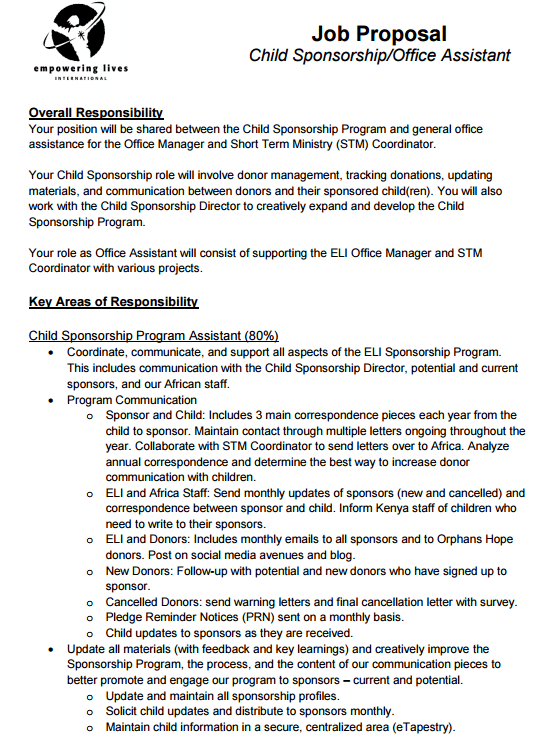
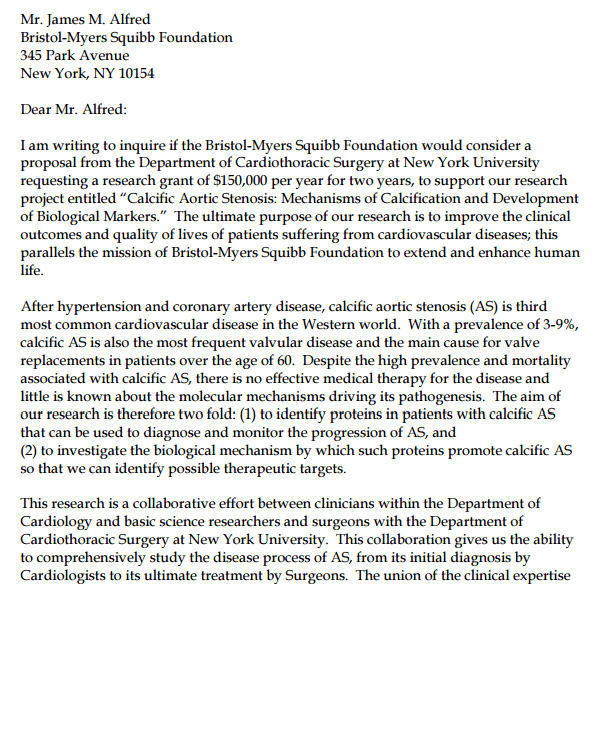
The four previews below point to external examples and proposal resources, including PDF destinations. The linked collection mixes contexts, so inspect the actual example before adapting it. A foundation proposal letter, a role proposal, and a candidate’s business plan do not all serve the same purpose or supply the same information.
This guide focuses on proposing the role before an employment offer is made. If an employer has already selected a candidate and is setting out approved employment terms, the business offer letter samples provide a more relevant route. A job proposal is a request for consideration, not proof that a position, budget, or employment arrangement has been approved.
Choose who is making the proposal
A candidate’s proposal should explain how their relevant skills could address a defined need. It may be appropriate after a conversation with the organization or when the organization accepts such approaches. Do not assume that every employer welcomes unsolicited role proposals.
An existing employee’s proposal might suggest expanding or changing responsibilities. Explain how the proposed work fits with current duties and which responsibilities would need to move elsewhere. A new title without a workable allocation of duties is not a complete proposal.
A manager’s staffing proposal should explain the need for the role, alternatives considered, expected work, and resource implications. It should follow the organization’s staffing and budget approval process. Do not send a job offer to a candidate merely because the manager has written an internal proposal.
Identify the intended decision. The reader might be asked to approve a discussion, assess a trial arrangement, review a staffing need, or consider an application. The document should make that stage clear.
Describe the need without inventing it
Use information you are authorized to access and can support. A manager may have workload records; a candidate may have information from a public job description or a discussion. State the basis rather than presenting an assumption as a confirmed internal problem.
A useful need statement explains what work is not adequately covered and why it matters. “The current team handles scheduling and follow-up through several separate records” is more specific than “The company needs better staff.”
Avoid criticizing named employees or implying that you alone can solve every issue. The proposal should focus on the work and the organization. A respectful account of the current process is more credible than exaggerated claims about failure.
If the need is uncertain, propose a discovery conversation or review. Do not manufacture demand, revenue estimates, or cost savings to make the role appear essential.
Define responsibilities and boundaries
List the main responsibilities in a form the reader can assess. Group related duties rather than including every possible task. For example, appointment coordination, record maintenance, and routine follow-up may form a coherent support role.
Identify which decisions the role would make and which it would refer to a manager. Responsibility without authority can be impractical, while broad authority may go beyond what the organization intends.
Explain the relationship to existing roles. Who would supervise the work? Which team would receive support? Which current duties would remain elsewhere? Make overlaps visible so the proposal can be reviewed without guessing.
Distinguish an ongoing role from a temporary project. If the work is a limited deliverable with a start and finish, a project proposal may be more appropriate. A permanent position should not be justified only by a short-lived task without considering what follows.
A fictional candidate proposal
Imagine a candidate who has discussed scheduling challenges with a small training provider. A concise role proposal might use this structure:
“Proposed role: Training Administration Coordinator
Purpose: Support the agreed administrative stages of course scheduling and participant follow-up, so trainers can see current arrangements in one maintained record.
Proposed responsibilities: Maintain the course calendar, prepare routine participant communications from approved information, record outstanding administrative actions, and refer unresolved scheduling questions to the operations lead.
Relevant experience: In my previous administrative work, I maintained shared calendars and follow-up records. I can discuss specific examples and provide references through the normal recruitment process.
Suggested next step: Review whether this set of responsibilities matches your current need and whether it should form a dedicated role, part of an existing position, or a limited project.”
This fictional example does not promise cost savings or claim that the organization has approved a vacancy. It gives the reader a defined work package to evaluate. A real proposal should use verified experience and the information the organization has agreed you may use.
The candidate’s résumé can provide the broader career history. The proposal should add a focused connection between that experience and the proposed work rather than repeat every qualification.
Evidence and realistic outcomes
Describe what success would look like in observable terms. For the example, a useful outcome might be a current course calendar and a clear record of pending administrative actions. “Transform efficiency” is too broad to review.
If you suggest a measurable target, explain how it would be measured and whether a baseline exists. A percentage improvement without supporting records is not a reliable promise. Use a provisional target only when its status is clear and appropriate.
Do not guarantee revenue, hiring, promotion, or a particular workload reduction. A role’s effect depends on resources, process, management, and the actual work. Show the reasoning and limitations rather than treating a template as proof of the business case.
A work recommendation letter can support relevant experience when requested and approved by the recommender. It does not replace the organization’s assessment of the proposed role or establish that every skill claimed in the proposal has been verified.
Consider alternatives and resources
A staffing proposal should consider whether the work could be handled by changing a process, reallocating duties, using a temporary arrangement, or filling an approved position. The point is to make a reasoned case, not to hide alternatives.
Identify relevant resource needs, such as supervision, equipment, access, training, and workspace. Do not assume that a proposed salary is the full cost of employing someone. The organization needs its own appropriate costing and approval.
A cost analysis spreadsheet can help organize the assumptions for an internal review. Keep figures clearly labeled as estimates or approved amounts. Use the organization’s financial process for actual budget decisions.
For a candidate, avoid supplying an unsupported internal cost model based on information you do not have. You can explain the proposed contribution and ask to discuss the practical arrangement.
A trial or phased approach needs clarity
Sometimes a limited review or trial arrangement helps the organization assess the need. Define what would be reviewed, who would supervise it, and what decision follows. Do not assume that calling work a trial removes employment or payment obligations.
Any actual working arrangement needs the appropriate terms and applicable requirements. A proposal should not invite unpaid productive work under vague promises of possible employment. Seek the correct process for the situation.
For an approved initiative, an action plan template can help arrange preparation, responsibilities, and review points. Keep the plan separate from the proposal’s approval request so implementation does not begin by assumption.
If the review reveals that a dedicated role is unnecessary, the proposal can still have helped clarify the work. An honest outcome is more useful than forcing the organization to accept the original idea.
Structure the final document
Use a clear title, recipient, date, and sender details. Begin with the purpose and requested decision, then explain the need, role, evidence, resources, and next step. The sequence should follow the reader’s questions.
A concise proposal may fit within a few pages, depending on the requested detail. Use headings and short lists where they help. Avoid decorative language that makes the actual work difficult to identify.
If you are responding to a recruitment process, follow its instructions. A creative proposal does not excuse missing a required application form or submitting material through an unauthorized channel.
Check every name, role description, date, and figure. Remove sample details that do not apply. A document copied from a different industry can accidentally describe responsibilities you do not understand or cannot perform.
Follow up through the appropriate route
Ask for a specific next discussion or review. A message such as “Would you be willing to discuss whether these responsibilities fit your current need?” is clearer than asking the reader to approve an undefined opportunity.
Keep a record of the version submitted and any feedback. If the organization changes the scope or decision process, revise the proposal accordingly. Do not describe silence as approval or present a discussion as a confirmed job.
Respect a decline and use appropriate contact channels. A good job proposal offers a reasoned contribution to consider. It cannot establish a vacancy, guarantee selection, or replace the employer’s recruitment and employment processes.
There Are Job Proposal Examples

Job proposal questions
Is a job proposal the same as a job offer?
No. A proposal asks an organization to consider a role or contribution. An offer sets out approved employment terms for a selected candidate through the appropriate process.
Can an employee propose a change to their current role?
Yes, where the organization allows it. Explain the proposed duties, what changes elsewhere, and the decision needed rather than asking only for a new title.
Should a candidate promise financial savings?
Only make claims with a sound basis and clear limits. Do not invent internal figures or guaranteed results to justify the proposal.
Can a trial be unpaid because it is part of a proposal?
Do not assume that. Any actual work arrangement needs the appropriate terms and applicable requirements. Use the organization’s proper process.
What if the work is a one-time project?
A project proposal may be more suitable than an ongoing job proposal. Define the deliverable and duration clearly.
Are all four linked examples for the same recruitment situation?
No. The collection mixes external proposal contexts and formats. Inspect the actual resource and adapt only the parts relevant to your purpose.

