
A loan agreement template helps organize the proposed lender, borrower, amount, funding and repayment terms. Describe the actual arrangement and identify terms needing review. The layout does not establish that lending is permitted or that every clause fits the transaction.
Use a cash receipt for received cash, a check register for related account movements and a statement comparison worksheet for internal reconciliation. Reference the loan consistently while distinguishing the agreement from the evidence of funding and payments.
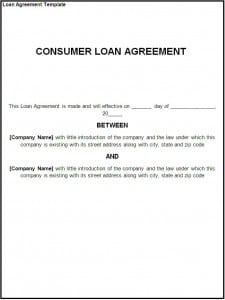
The original resource below has one image preview and a ZIP destination with a DOC-oriented name. Inspect the archive contents and clauses before assuming a particular editable file or a complete agreement for your jurisdiction. The resource is a starting point for review rather than a universal lending form.
The promissory note guide focuses on a written repayment promise, a payment history records actual payments, and the two-party agreement guide discusses general agreement organization. A loan agreement needs its own appropriate terms and requirements while those records remain distinguishable.
Define the actual lending arrangement
Identify who lends and who borrows, using the correct names and relevant roles. A business trading name and the legal entity entering an agreement can differ. The document should accurately identify the parties rather than rely on an informal nickname or logo.
Describe the loan amount, currency, and purpose where relevant to the arrangement. A purpose statement should reflect the real transaction without turning a template into a recommendation to borrow. The earlier claims that taking a loan is the best way to meet financial needs are not established by this resource.
Consider the applicable jurisdiction and transaction type through the appropriate review. Private, business, consumer, and secured lending can raise different requirements. A single generic sample should not be treated as complete for every context.
Separate signing from disbursement
Record the actual arrangement for providing the funds. Agreement date, intended disbursement date, and actual transfer date can be different. Signing a document does not by itself prove that the borrower received the stated money.
If funds are to be provided in parts, identify the agreed structure and relevant conditions. A single principal field may not explain a staged arrangement adequately. The actual funding record should show what happened without assuming that every proposed amount was transferred.
Keep evidence of disbursement connected to the appropriate agreement reference. The agreement describes terms, while the payment or transfer record describes an event. Neither should be filled with invented facts merely to make the document appear complete.
Make repayment timing and units clear
Specify the actual repayment arrangement through appropriate drafting. A fixed schedule, a particular maturity date, or a demand-based arrangement describes different obligations. Do not combine them casually in a form whose meaning is unclear.
For installments, identify the relevant dates and amounts and how they relate to the actual terms. A frequency such as monthly does not itself identify the first due date, last payment, or treatment of different components. The schedule needs to reflect the real arrangement.
Distinguish a proposed schedule from an agreed one. A borrower or lender preparing a draft should not present tentative amounts as accepted obligations. Resolve open terms through the real review and agreement process.
Review interest, fees, and total-cost information
Interest and fees need accurate definitions and treatment under the applicable requirements. A rate field without a clear basis or relevant terms can be ambiguous. Do not select a rate from a sample or assume that both parties’ consent makes every charge permissible.
The United States CFPB's personal-installment-loan fee guidance explains that fees can add to borrowing cost and advises reviewing the lender’s disclosures. This is a relevant consumer-finance example, not a universal disclosure checklist for every private or business loan.
Identify applicable charges and their relationship to the amount provided and repaid. A loan amount, cash received, interest charge, and total repayment can describe different figures. The correct calculation and disclosures need the actual arrangement and applicable rules.
Fictional example: a simplified repayment layout
Imagine an invented arrangement involving one thousand two hundred units of currency and four payments of three hundred each. The example expressly excludes interest, fees, and other adjustments solely to demonstrate the layout and basic addition.
The schedule identifies four actual agreed due dates rather than using a vague quarterly label. When one three-hundred-unit payment occurs, the payment record shows that event. Under the example’s limited assumptions, nine hundred of the illustrated amount remains unpaid.
The signing date is recorded separately from the actual funding event. If funds have not been provided, a draft should not claim the borrower already received them. The example keeps agreement terms, disbursement, and repayment records distinct.
This is not a recommended lending arrangement or a legal agreement. Real loans can have different calculations, conditions, and requirements. The example’s simple subtraction should not be applied to a loan with interest or fees without the appropriate calculation method.
Treat security and guarantees as separate substantive issues
A generic sentence naming an asset does not necessarily create effective security or complete a required registration process. The arrangement and applicable law determine the relevant documents and steps. Obtain appropriate review for the actual secured transaction.
A guarantee can create obligations for another person and should not be treated as a routine blank field. Identify the actual parties, scope, and requirements through qualified review. A sample cannot establish that a third party agreed merely because their name was inserted.
Keep ownership and authorization questions visible. A proposed asset description does not prove that the borrower can provide the intended security. The actual transaction needs the appropriate evidence and process rather than a decorative collateral heading.
Review late-payment and other clauses carefully
Default, late charges, acceleration, prepayment, and enforcement provisions can have significant consequences. Their meaning and permissibility depend on the actual terms and applicable requirements. Do not copy them because they make the form look comprehensive.
This guide does not establish a right to seize property, impose a particular penalty, or use a particular collection method. A generic clause is not permission to bypass the legal process. Questions about a real default need the appropriate qualified assistance.
If the parties intend to allow a change or early payment, document the actual terms through the appropriate process. An informal assumption can conflict with the written arrangement. Clear wording and review matter more than an apparently friendly relationship.
Keep repayment records traceable
Use the agreement reference in the appropriate payment record. Distinguish due amounts, received payments, and any approved adjustment. A scheduled installment is not actual payment, and a transfer’s status needs the relevant evidence.
Do not assume every payment reduces principal by the entire amount when the actual terms include other components. Allocation needs the correct method for the arrangement. The simplified example above deliberately avoids those complexities.
For a correction, preserve the connection to the original event and the current balance record. Do not overwrite the agreement’s original loan amount simply to display today’s unpaid amount. Original terms and subsequent history serve different purposes.
Inspect and adapt the archived document
Review the actual file’s fields, clauses, jurisdiction references, and layout. A DOC-oriented archive name does not establish a complete Word agreement or calculation system. The preview can suggest structure while the document’s content needs its own assessment.
Remove unsuitable prefilled wording through appropriate review rather than focusing only on names and numbers. A professionally formatted clause can still be inappropriate for the actual loan. Material terms deserve the same attention as visible data fields.
Use invented data for demonstrations and clear actual party details, amounts, dates, and signatures from the reusable master. Completed lending records can contain private financial information that does not belong in a broadly shared example.
Complete review and preserve the agreed version
Check the parties, funding arrangement, repayment structure, charges, relevant references, and unresolved issues before using a final document. Follow the applicable signing and other requirements through the actual process. A generic signature field does not decide every formality.
If terms change, identify the amendment and its relationship to the original agreement. Keep the current version and relevant records clear enough to prevent conflicting schedules or amounts. An updated file alone may not establish an agreed amendment.
A loan agreement template can help organize a defined arrangement for review. It cannot guarantee a legal result, safe lending, or repayment. Its value comes from accurate terms, appropriate review, traceable funding and payment records, and honest treatment of what remains unresolved.
Download Free Loan Agreement Template:

Frequently Asked Questions
Does the template guarantee an enforceable loan?
No. The actual arrangement, terms, authority, formalities, and applicable law determine its effect.
Is the download a direct Word file?
The preserved destination is a ZIP archive with a DOC-oriented name. Inspect its actual contents and clauses.
Does signing prove the borrower received money?
No. Agreement execution and actual disbursement are separate events that need accurate records.
Is a payment schedule the same as payment history?
No. A schedule describes amounts due, while a payment history records actual events and relevant adjustments.
Can I use any interest rate shown in a sample?
Do not assume so. Charges and their treatment need review under the applicable requirements and real arrangement.
Does naming collateral automatically create security?
Not necessarily. The actual documents, authority, and required process depend on the transaction and applicable law.
Does every payment reduce principal by its full amount?
Not when the arrangement allocates payments to other components. Use the correct method for the actual terms.
What should be cleared from a blank master?
Remove actual parties, amounts, dates, signatures, and payment events while retaining the appropriate reviewed structure.
