
A business reference letter is a professional document used to recommend a company, business associate, employee, contractor, supplier, client, or other professional contact. A well-written reference letter can provide valuable information about a person’s reliability, professional abilities, business relationship, work quality, or overall reputation. If you need to prepare such a document, our free business reference letter templates provide useful examples that can be customized for different situations.
Writing a professional recommendation from scratch can be difficult, especially when you are unsure about the correct wording or format. A ready-made business reference letter template provides a structured starting point. You can customize the letter with the sender’s information, recipient details, recommendation, supporting examples, and appropriate closing.
The templates available on this page cover several types of references and recommendations. They can serve as useful examples for employers, business owners, managers, customers, suppliers, contractors, and individuals who need to prepare a formal professional reference letter.
What Is a Business Reference Letter?
A business reference letter, sometimes called a business recommendation letter, is written to provide a professional endorsement or confirm a positive business relationship. It may be requested when a company is considering working with a new supplier, contractor, service provider, customer, employee, or other professional contact.
For example, a satisfied customer might provide a reference explaining that a contractor consistently completed projects on schedule and delivered quality work. Similarly, one business may provide a company reference letter confirming that another company has maintained a satisfactory professional relationship with it.
The purpose is to give the recipient credible information that can help them evaluate the person or organization being recommended.
When Is a Business Reference Letter Used?
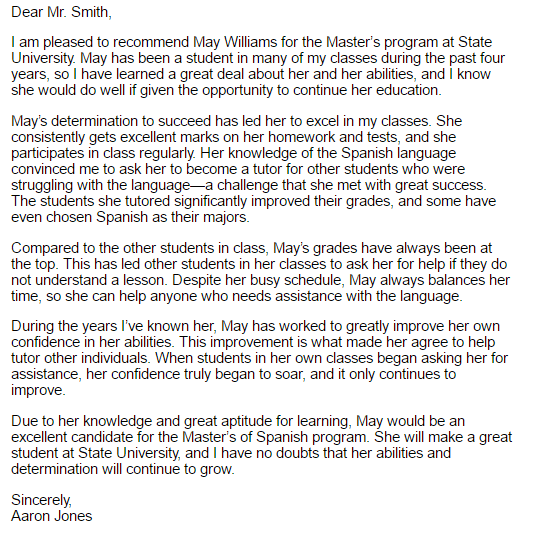
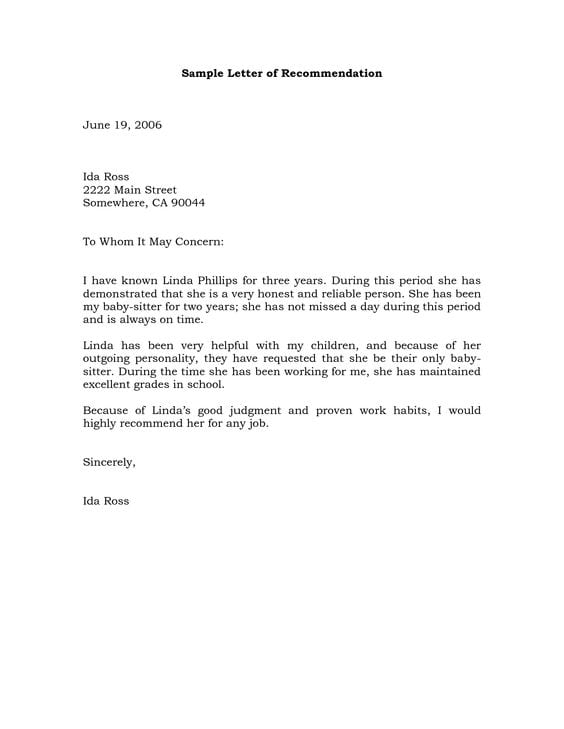
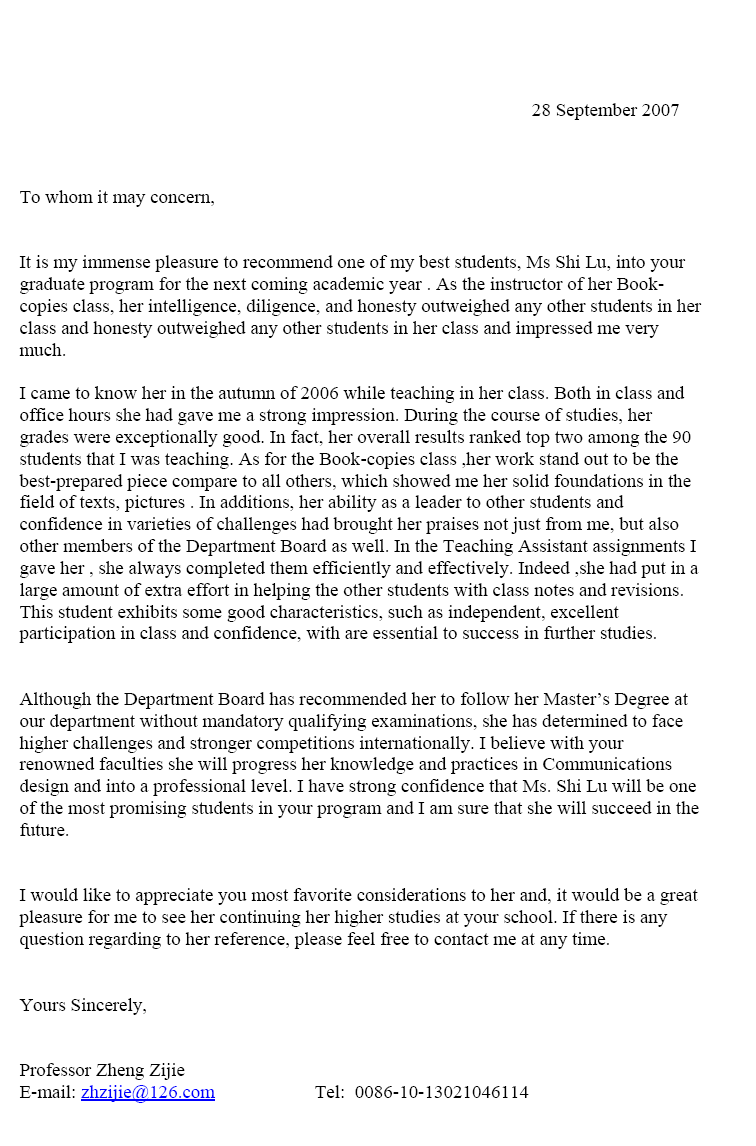
Business and professional reference letters can be useful in many circumstances. A company may request references before establishing a new commercial relationship, while an employer may write a recommendation for a departing employee.
Common situations include recommending a contractor or service provider, providing an employment reference, endorsing a former colleague, confirming that a customer or client is in good standing, or recommending an individual for a professional opportunity.
Because each situation is different, you should customize your reference letter template rather than sending the same generic recommendation to every recipient.
What to Include in a Business Reference Letter
A professional business reference letter should make it clear who is providing the recommendation, who is being recommended, and why the writer is qualified to provide the reference.
Depending on the purpose of your letter, consider including:
- Sender’s name, job title, company, and contact information
- Date of the letter
- Recipient’s name and business information, if known
- Professional salutation
- Name of the person or company being recommended
- Nature and length of the business relationship
- Relevant qualities, skills, or professional strengths
- Specific examples supporting the recommendation
- Overall endorsement
- Offer to provide additional information
- Professional closing and signature
Specific examples usually make a recommendation more meaningful. Instead of simply saying that a company provides “excellent service,” for example, you could briefly explain how it consistently delivered work on time or responded effectively to problems.
How to Write a Professional Business Reference Letter
Begin your letter with an appropriate business-letter format. Include your contact information and the date, followed by the recipient’s details when available. If you don’t know the recipient’s name, an appropriate general salutation may be used.
The opening paragraph should identify the person or business you are recommending and explain your relationship with them. This establishes why your opinion is relevant.
In the main section, discuss the qualities that make the individual or organization worthy of recommendation. Depending on the situation, you might mention professionalism, reliability, communication skills, customer service, quality of work, punctuality, business ethics, problem-solving ability, or consistency.
Conclude with a clear recommendation and, where appropriate, provide contact information so the recipient can request further details.
Business Reference Letter vs. Employment Reference Letter
Although the terms sometimes overlap, a business reference letter generally relates to a commercial or professional relationship, while an employment reference letter primarily discusses someone’s work history, skills, performance, and suitability for employment.
For example, a supplier recommending a long-term business customer would typically provide a business reference. A manager recommending a former employee for another job would usually write an employment reference.
Our collection includes examples covering different types of recommendations, making them useful for understanding how reference letters can be adapted for different professional situations.
Business Reference Letter for a Company
A company reference letter may be written when another organization needs confirmation of a company’s reputation, reliability, or previous business relationship.
The writer should explain how long they have worked with the company and provide relevant information about its performance. Depending on the relationship, this might cover delivery reliability, service quality, communication, payment history, project performance, or professionalism.
Avoid exaggerated statements that you cannot support. A reference is more credible when it contains accurate information based on direct experience.
Reference Letter for a Client or Customer
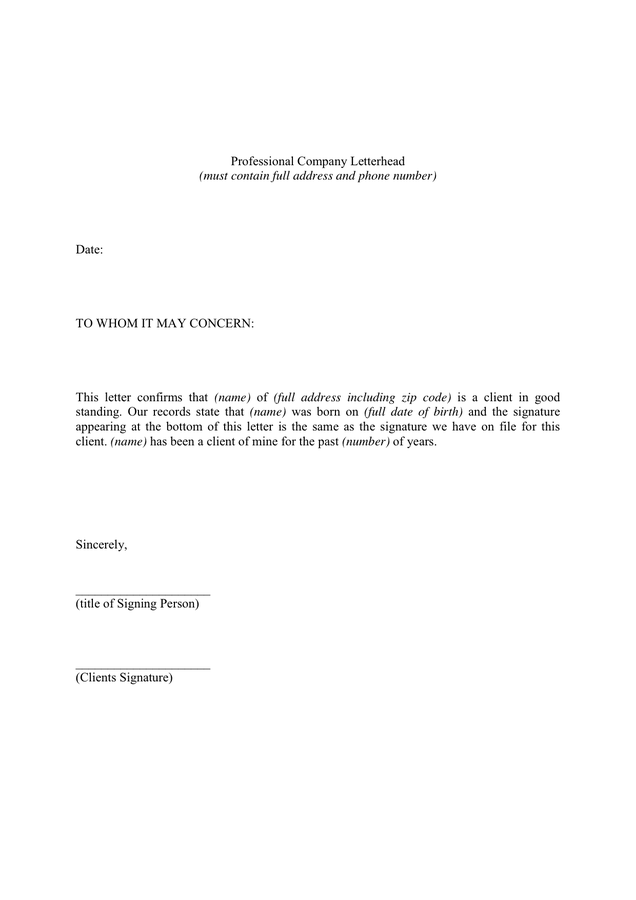
Sometimes a business needs to confirm that a particular customer or client is in good standing. One of the templates on this page specifically demonstrates this type of client reference letter, with space for professional company letterhead, the client’s identifying information, confirmation of the relationship, and signatures.
Such letters may be useful when a third party wants confirmation of an established business relationship. Only include information you are authorized to disclose.
Employment and Professional Recommendation Letters
Reference letters are also widely used when an employee or professional moves to a new position. An effective employment reference letter can describe the individual’s responsibilities, experience, accomplishments, communication skills, reliability, and other professional qualities.
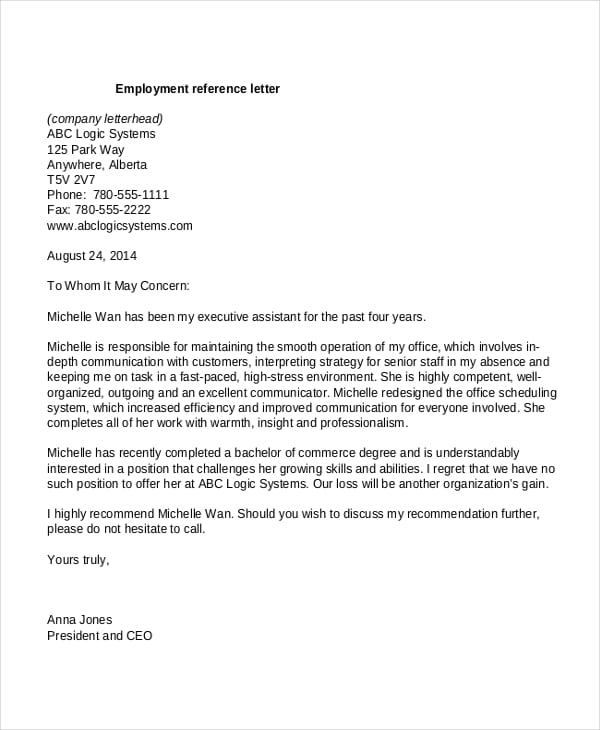
One of the examples on this page demonstrates this approach particularly well. It recommends an executive assistant, describes four years of experience, discusses responsibilities and accomplishments, and closes with a strong recommendation and an invitation to make contact for additional information.
Download and Customize a Reference Letter Template
The free reference letter templates on this page can save time and provide inspiration when preparing your own recommendation. Select the format that most closely matches your situation and customize the wording with accurate information about the person, company, employee, client, or professional relationship involved.
Before sending the final document, proofread names, company information, dates, contact details, and factual statements. Keep the tone professional and make sure the recommendation reflects your genuine experience.
A personalized, specific recommendation will usually be more useful than simply copying a generic sample word for word.
Here Are Business Reference Letter Templates

Frequently Asked Questions
1. What is a business reference letter?
A business reference letter is a professional recommendation that provides information about a company, business associate, contractor, supplier, customer, employee, or other professional contact. It is generally based on the writer’s direct experience with the person or organization.
2. Who can write a business reference letter?
Depending on the purpose, a business reference can be written by a client, customer, supplier, business partner, employer, manager, contractor, or another professional who has sufficient knowledge of the person or company being recommended.
3. What should I include in a business recommendation letter?
Include your contact information, the recipient’s details when known, your relationship with the person or business, the length of that relationship, relevant positive qualities, supporting examples, and a clear recommendation.
4. How long should a business reference letter be?
Most reference letters should be concise enough to read easily while providing sufficient information to support the recommendation. In many situations, approximately one page is sufficient.
5. Is a business reference letter the same as an employment reference?
Not necessarily. A business reference commonly relates to a commercial or professional relationship, whereas an employment reference generally focuses on an individual’s job performance, skills, experience, and professional qualities.
6. Can I customize a reference letter template?
Yes. In fact, customization is strongly recommended. Replace sample information with accurate details and modify the wording so that the recommendation reflects your actual experience and relationship with the person or business.
7. Should a business reference letter be signed?
A signature can add authenticity to a formal reference letter. Depending on how the document is being delivered, this may be a handwritten or appropriate electronic signature.
8. Can a business reference letter be sent by email?
Yes. A professional reference can be sent electronically when appropriate. Make sure the email and attached document use clear subject information, professional formatting, and accurate contact details.
