
A doctor note template can help an authorized healthcare professional organize a short factual statement for a defined purpose. The final content must reflect an actual assessment or other event the clinician can substantiate. A downloadable layout is not a medical opinion, a diagnosis, or permission to claim a consultation that did not occur.
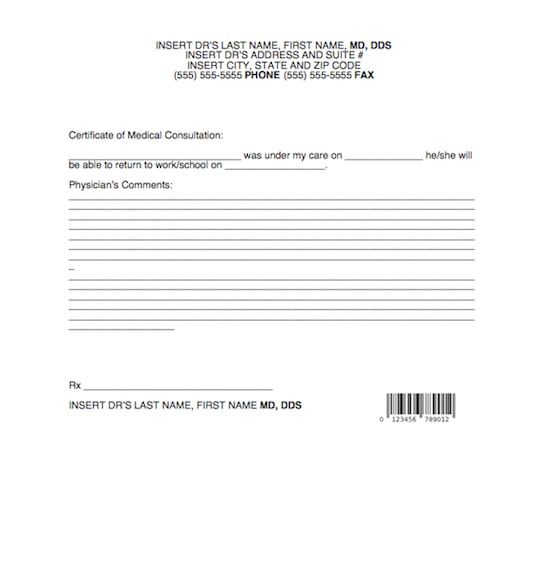
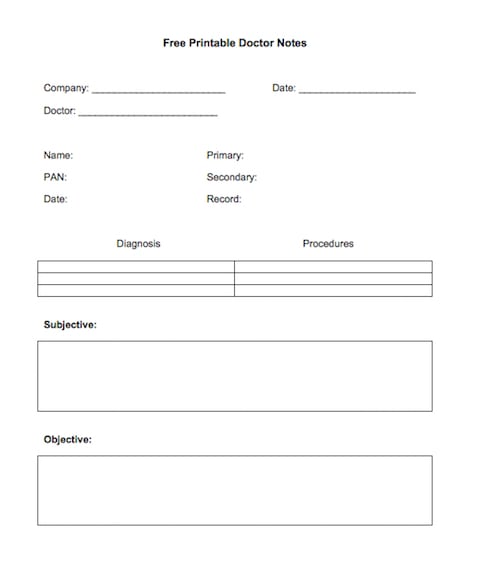
The two original previews below link to DOC resources. Review their actual wording and fields before considering them for an authorized documentation process. The files do not establish that a recipient will accept the resulting note or that the layout meets every local requirement.
The doctor’s note for work guide focuses on workplace submission. A contact information form can organize ordinary administrative details, while the biopsychosocial assessment guide addresses a separate professional assessment context. This page focuses on the note’s factual scope, preparation, and appropriate issuance.
Define the purpose of the requested statement
Identify what the recipient needs to know and why a note is being requested. Confirmation of attendance, a clinician’s work-related statement, and a particular certification can have different purposes. A generic title saying doctor note does not explain which function the document performs.
Use the actual recipient’s requirements and the clinician’s appropriate process. A school, employer, or other organization may request different information. The template should not encourage unnecessary disclosure merely because another sample contains a detailed medical field.
A request from a patient or administrator does not determine the clinical conclusion. The professional must decide what can accurately be stated within their role and applicable requirements. The note should reflect that decision rather than a desired outcome copied from a sample.
Distinguish attendance from clinical advice
A record that a person attended an appointment describes one event. A statement concerning capacity, restrictions, or a period away from activity describes something different and needs the appropriate clinical basis. Do not treat attendance as automatic evidence of every other claim.
If the note records an assessment, identify the relevant event and dates through the actual professional process. The issue date and the period covered can differ. Clear labels help prevent a reader from inferring that a consultation occurred on every day named in a period.
The earlier text presented a note as a way to obtain days of relaxation. That is not an appropriate basis for medical documentation. This resource should support an accurate statement the authorized professional can substantiate, rather than manufacture an excuse.
Use the applicable professional documentation route
NHS guidance on getting a fit note explains that it comes from a healthcare professional supporting the person’s care and describes the relevant process in its context. It is an example of authorized assessment-based documentation, not a rule that every country uses the same note.
Follow the applicable profession, institution, and jurisdiction requirements for the real situation. A generic DOC file is not automatically a recognized fit note, required certification, or official medical record. The correct form may come from the relevant process instead.
This article does not identify which clinical conclusion a particular person needs. It explains how a layout can organize a properly authorized statement. The actual assessment and appropriate documentation requirements remain essential.
Identify the patient and issuer appropriately
Use the patient information needed to connect the note with the real event and recipient requirements. Avoid unnecessary identifiers or detailed personal information when a narrower statement is sufficient. The actual process determines the appropriate detail.
Identify the real issuer and relevant professional or institutional contact through the authorized route. A logo, stamp, or copied signature image cannot establish that the professional issued the note. The final document needs actual authorization.
Keep ordinary administrative data distinguishable from medical conclusions. A patient may supply their name or explain what document has been requested, while the clinician supplies and approves the professional statement. Those roles should not be merged.
Make dates and scope explicit
Label the assessment or attendance date, issue date, and any stated period according to the note’s actual purpose. A single date line should not silently stand for all three. Accurate dates are part of the factual statement.
Do not backdate a note or invent a consultation to satisfy a requested period. Where historical information is relevant, the professional’s actual process determines what can be stated and on what basis. A blank field in a sample does not authorize an unsupported entry.
If the statement is limited to a particular function or circumstance, preserve that limit. A short note should not become a blanket clearance for every task, sport, or workplace hazard. The professional’s actual conclusion determines the scope.
Fictional example: attendance confirmation
Imagine an invented clinic preparing a note confirming that a person attended an appointment on a stated date. The statement identifies the actual event and issuer through the clinic’s authorized process. It does not claim that the person was unfit for every activity throughout an unrelated week.
The recipient requested attendance confirmation only, so the note does not reproduce a detailed diagnosis or treatment history. The clinic reviews the wording and issues the actual authorized version. The demonstration shown here contains no real patient information.
If a different statement is requested about work capacity, that request goes through the appropriate assessment and documentation process. The existing attendance note is not edited by the patient to add a clinical conclusion.
This example illustrates factual boundaries, not a medical determination or a complete note format. The real situation needs the actual event, assessment where relevant, recipient requirements, and professional authorization.
Keep disclosure connected to the purpose
A short note and a full medical record serve different roles. The template should not automatically reveal an entire history when the purpose calls for a limited statement. Use the appropriate consent, disclosure, and institutional process for the actual recipient.
Do not assume every employer, school, or other organization needs a diagnosis. The requirements depend on the actual purpose and jurisdiction. Determine the requested information through the appropriate route rather than filling every medical field.
Keep working drafts and internal notes out of the issued document unless they belong in the final authorized statement. A visible comment or copied sample paragraph can disclose information unintentionally. Review the final content, not only its main text.
Review sample wording before adopting it
The two DOC resources are layout references, not independently validated clinical forms. Inspect their clauses, headings, and fields. A statement that sounds formal may still be too broad, inaccurate, or unsuitable for the actual purpose.
Remove unsupported promises such as guaranteed acceptance or automatic leave approval. A clinician’s statement and a recipient’s administrative decision are separate. The template cannot determine every employment, education, or benefit outcome.
Do not retain a sample doctor’s name, signature, stamp, or registration detail in a real note. The document should identify only its actual authorized issuer. A reusable master needs clear placeholders rather than completed professional credentials from an example.
Keep issuance and receipt distinguishable
The professional process determines when the note is final and how it is issued. A prepared draft should not circulate as though it were already authorized. The signature or other appropriate authentication belongs to the actual issuance process.
The recipient’s acknowledgment of receipt does not alter the clinical statement or guarantee a particular decision. Keep submitted, received, clarification requested, and accepted statuses distinguishable where the workflow uses them.
If a recipient needs clarification, use the appropriate professional and administrative routes. A patient or third party should not rewrite the note’s medical conclusion to answer the question. An authorized correction preserves the connection to the actual record.
Handle corrections and reusable masters carefully
For a factual error, request correction through the issuing professional or institution. The corrected document should remain traceable through the actual process. Silent editing can make the final copy inconsistent with the issuer’s record.
Keep real patient notes separate from the blank master and public demonstrations. Remove actual names, dates, conclusions, signatures, and private details before reusing a layout. A public template does not make a completed medical statement suitable for public sharing.
Use the institution’s appropriate storage and release process for actual records. This guide does not set one universal retention or confidentiality rule. The applicable requirements and professional process determine how the documentation is handled.
Use the resource within its legitimate role
A doctor-note layout can reduce formatting work for a properly authorized statement. Its value comes from a clear purpose, accurate facts, appropriate scope, relevant dates, and real professional issuance.
The file cannot provide an assessment, guarantee leave, or make an invented event true. Keeping administrative preparation distinct from the clinician’s conclusion makes the template a more useful documentation aid and helps readers understand what the final note actually says.
Download Free Doctor Note Template:

Frequently Asked Questions
Can a patient create their own medical conclusion?
No. Administrative details can be supplied through the actual process, while the professional statement needs appropriate assessment and authorization.
Are the two resources DOC files?
The original destinations name DOC resources. Review their actual contents and suitability before adopting their layouts.
Is attendance confirmation the same as a work-capacity statement?
No. They describe different matters and need the relevant factual or clinical basis.
Does a note guarantee leave approval?
No. A professional statement and the recipient’s administrative decision are separate.
Must every note include a diagnosis?
Do not assume so. The needed information depends on the actual purpose, requirements, and appropriate disclosure process.
Can I keep a sample doctor’s signature?
No. A real note must identify its actual authorized issuer rather than copy an uninvolved professional’s credentials or signature.
How should a mistake be corrected?
Use the issuing professional or institution’s correction process. Do not silently alter the issued medical statement.
What should be cleared from the master?
Remove actual patient details, dates, conclusions, signatures, and private notes while retaining an appropriately reviewed blank structure.
