A promissory note template organizes a written repayment promise with identified parties, amount, dates and conditions. State the actual terms and review their suitability for the arrangement. The note records the promise; it does not independently prove funding, payment or enforceability.
Trace account movements using a check register, compare internal records with a statement comparison worksheet and consult the two-party agreement guide for broader agreement structure. Keep the signed terms connected to, but separate from, the transaction evidence.
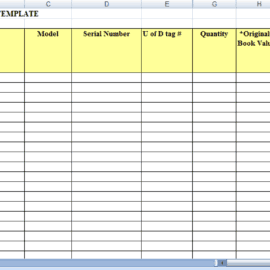
The original resource below has one image preview and a ZIP destination with a DOC-oriented name. Inspect the archive contents and wording before assuming a particular editable format or a complete note suited to your jurisdiction. The file is a starting point for appropriate review.
The loan agreement guide addresses a broader lending arrangement, a payment history records actual repayments, and a cash receipt acknowledges a particular received cash payment. A note describes a promise, while those other records describe different parts of the transaction.
Define the promise and relevant parties
Identify the person or entity making the repayment promise and the party entitled to receive payment under the actual arrangement. Use the correct names and roles. A contact person and a contracting entity can be different, so the document should not rely on a nickname or logo.
State the amount and currency accurately. Keep the original amount distinguishable from a current unpaid balance. Changing the note’s original figure to match today’s balance can obscure what the document originally recorded.
The note should reflect the actual transaction rather than invent a debt to fill a sample. Where money has not yet been provided, distinguish the intended arrangement from the actual funding event. A signed page is not independent evidence of every event described.
Distinguish the note from other lending documents
A promissory note focuses on a repayment promise, while a loan agreement may address a broader arrangement between parties. The exact documents and their relationship depend on the actual transaction. A different title does not by itself determine legal effect.
The United States CFPB's mortgage-note explainer describes a note as a repayment promise containing loan terms such as amount, interest, payment dates, and repayment length. It is a mortgage-specific example, not a universal form for every private or business note.
Do not assume a generic note supplies every required disclosure or security document. The transaction and applicable law may call for other records and procedures. Appropriate review should consider the whole arrangement rather than only the note’s visible fields.
Specify timing without ambiguous alternatives
Identify the actual repayment arrangement, such as defined installments or a particular due date, through appropriate drafting. A demand-based promise and a fixed schedule are different structures. Do not leave conflicting sample alternatives in the final document.
For scheduled payments, make the relevant dates and amounts clear. A frequency label alone may not specify the first due date or final obligation. The layout should communicate the real terms rather than force readers to infer them from a vague monthly field.
Keep proposed terms distinguishable from agreed terms. If timing remains under discussion, the draft should identify the open issue. Filling the date field with a guess creates an inaccurate appearance of agreement.
Review interest and charges appropriately
The amount promised, interest terms, fees, and total repayment can describe different figures. Their treatment needs the applicable requirements and actual arrangement. A template cannot decide that a particular charge is lawful merely because the parties insert it.
Do not interpret a blank interest field as a confirmed interest-free arrangement without reviewing the intended terms. Likewise, a sample rate is not a recommendation or proof of permission to charge it. The final document needs accurate wording for the real arrangement.
A note layout is not an amortization calculator. A repayment schedule involving interest or fees needs the correct calculation method and applicable disclosures. The earlier claim that a template itself fully amortizes a loan is not established by this resource.
Fictional example: a simple written payment promise
Imagine an invented note for nine hundred units of currency with three scheduled payments of three hundred. The example expressly excludes interest, fees, and other adjustments to demonstrate a simple layout. It does not establish suitable lending terms.
The original promised amount remains nine hundred in the note. After one actual three-hundred-unit payment, a separate history records that payment and a simplified remaining amount of six hundred under the example’s assumptions. The original note is not rewritten as though the promise began at six hundred.
If a second payment has only been scheduled, it remains due rather than received. The payment history waits for the appropriate evidence before recording the event. A due-date calendar cannot substitute for an actual payment record.
These figures illustrate basic addition and separation of records. A real note with charges or different terms can require a different balance calculation. Use the actual arrangement and appropriate review instead of applying the simplified example indiscriminately.
Keep security and ownership questions separate
If security is intended, review the actual documents and required process. Naming an asset in a general note does not necessarily establish a valid security interest or complete registration. The applicable law and transaction determine what is needed.
Do not treat the note as proof that the person can offer the named asset. Ownership and authority need the appropriate evidence and review. A typed description cannot make an unresolved ownership question disappear.
A guarantor or other third party can face substantive obligations. Their role should be handled through appropriate drafting and review rather than inserted as a routine contact field. A sample cannot establish their consent merely because their name appears.
Treat default and amendment clauses carefully
Late-payment, default, acceleration, prepayment, and enforcement terms can carry significant consequences. Review them for the actual arrangement and requirements. A short note can contain substantial obligations despite fitting on one page.
The template does not authorize a particular collection method, penalty, or seizure of property. A generic clause is not permission to bypass the applicable legal process. Questions about an actual missed payment or dispute need appropriate qualified assistance.
If the parties change terms, use the correct amendment process and keep the revised arrangement traceable. A new schedule sent by one person does not automatically establish an agreed change. Identify the relevant version and its relationship to the original document.
Keep payment allocation and receipts accurate
Connect payments with the correct note reference and record actual dates and amounts. Identify the relevant allocation according to the real terms. A payment may not reduce principal by its whole amount when other components apply.
Where cash is received, an appropriate receipt can acknowledge the particular payment. That receipt and the payment history should refer to the same event without counting it twice. A copy of a receipt is not a second repayment.
If an error is discovered, preserve the correction’s context through the actual recordkeeping process. Do not silently alter an amount to produce a preferred balance. The records should explain what was due, what happened, and what changed.
Review transfer and holder questions appropriately
Terms concerning transfer, assignment, or the party entitled to payment can require legal review. Do not assume every document titled promissory note has the same characteristics or can be used interchangeably in every transaction.
If the relevant party changes, verify the appropriate information through the real process before changing payment instructions. A general template cannot establish that a new contact is entitled to receive payment. The actual supporting documents and requirements matter.
This article does not provide investment advice or a complete framework for selling or transferring notes. It focuses on organizing a repayment-promise record and identifying questions that need appropriate review in a real arrangement.
Inspect the archived file and blank master
Review the actual document’s format, clauses, jurisdiction references, and fields. The DOC-oriented archive name does not establish a complete Word file or automated calculation features. Inspect what the resource really supplies.
Check the amount, currency, dates, party roles, and referenced documents together. A table and narrative paragraph can conflict if one was edited without the other. Resolve inconsistencies before relying on the final document.
Remove sample parties, amounts, dates, signatures, and completed decisions before reusing a master. Keep a completed note separate from a public demonstration or blank template. Real lending records can contain private financial information.
Preserve the actual promise and its history
Follow the applicable execution and other requirements through the appropriate process. A generic signature field does not determine every formality. The actual transaction may need review beyond making the page look complete.
Keep the note connected to relevant funding, repayment, amendment, and completion records. If the obligation is satisfied, use the appropriate acknowledgment or closure process. Do not erase the original record merely because no balance remains.
A useful promissory note template organizes a defined repayment promise. It cannot guarantee payment or a legal outcome. Accurate terms, appropriate review, traceable supporting records, and honest payment status give the layout practical value.
Download Free Promissory Note Template:


Frequently Asked Questions
Does the note prove money was provided?
Not by itself. The funding event needs its own appropriate evidence, separate from the repayment promise.
Is the resource a direct Word file?
The preserved destination is a ZIP archive with a DOC-oriented name. Inspect its actual contents and wording.
Is a note the same as a loan agreement?
Their functions can overlap, but a note focuses on a repayment promise while an agreement may address broader terms. The actual arrangement determines the needed documents.
Does the template automatically calculate repayments?
The destination does not establish a calculation system. Use the correct method for the actual terms, especially when interest or fees apply.
Should the original amount be replaced after each payment?
Keep the original promise distinguishable from the payment history and current balance. Silent replacement can obscure the record.
Does naming collateral create valid security?
Not necessarily. Review the actual documents and required process for the transaction and jurisdiction.
Can every note be transferred in the same way?
Do not assume so. Transfer and holder questions depend on the actual document and applicable requirements.
What should be cleared from a reusable master?
Remove actual parties, amounts, dates, signatures, payment events, and completed decisions while retaining the appropriate reviewed structure.