
A bonus structure template helps a business document how a proposed bonus will be determined, reviewed and communicated. It can organize the eligible group, measurement period, calculation basis, approval process and payment arrangements. A useful structure makes those decisions understandable; it does not automatically increase performance or establish that every payment has the same legal treatment.
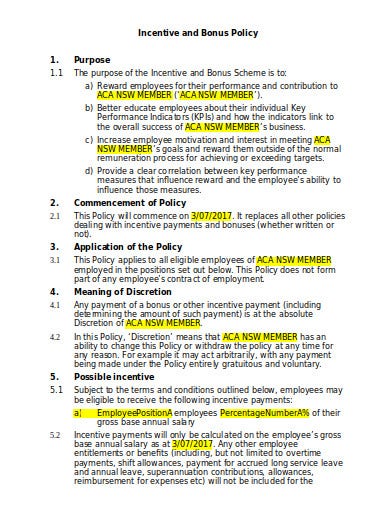
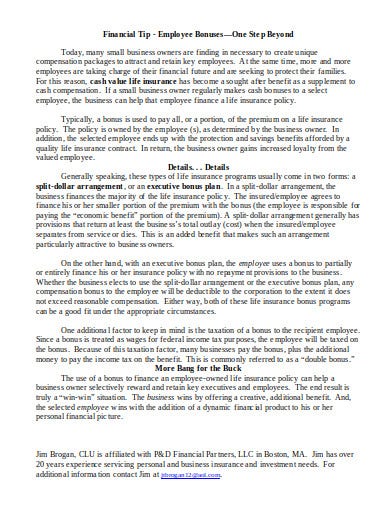
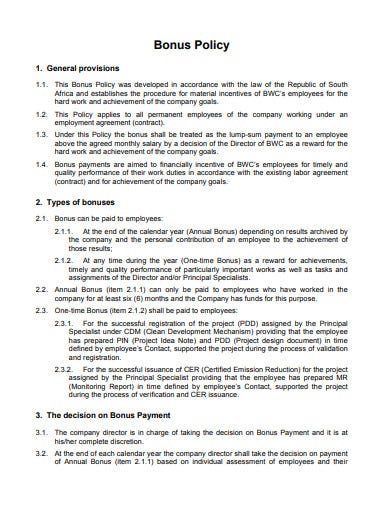
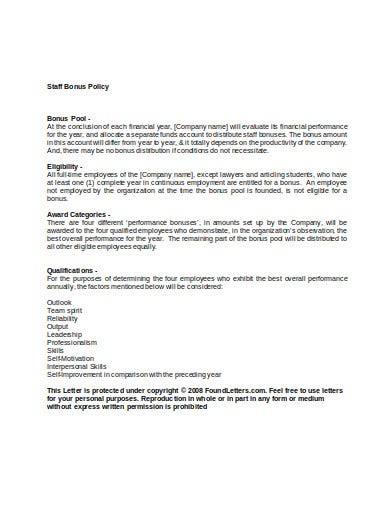
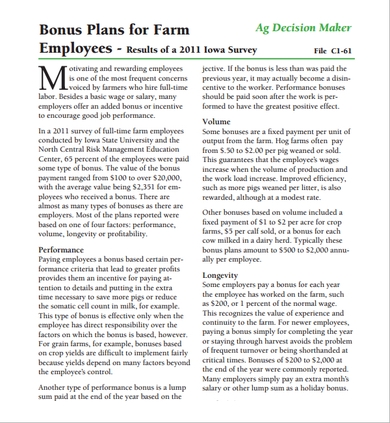
The nine previews below each have a local ZIP resource link. Their filenames describe a mixture of executive plans, an executive life-plan example, staff policies and a farm-related plan. They are not nine interchangeable employee cash-bonus policies. Inspect the actual enclosed document before using a layout, and choose the resource that fits the kind of arrangement being considered.
Use a template after the business has decided the purpose of the plan and assigned the appropriate review. Employment terms, wage rules, payroll treatment and specialized benefit arrangements can affect the design. The fictional calculations below illustrate how to explain a formula; they do not determine an employee’s entitlement or provide a complete approved compensation policy.
Define the business purpose before choosing a formula
State what the proposed bonus is intended to recognize. A project-completion payment, a performance-related award and a broad company-results plan need different measurements. Avoid beginning with a convenient percentage and then inventing an objective to justify it.
Define the group covered by the plan. A role, location or team description can be clearer than all staff when the proposal actually concerns only certain employees. Have the eligibility wording reviewed alongside the organization’s employment arrangements and applicable requirements rather than treating a sample phrase as sufficient.
Identify the plan period and the information available to assess it. If a measure depends on results that will not be known until after the period closes, the proposed review and payment schedule must allow for that. A date in the template should not promise a payment before the organization can complete the required calculation.
Distinguish a policy from a calculation worksheet
The policy explains the rules and responsibilities. A worksheet applies the approved rules to particular data. Keep their roles distinct so a preparer does not change the policy simply by editing a formula in a workbook.
A policy might define the eligible group, measurement period, inputs, approvals and dispute process. A worksheet might contain the employee reference, verified input amount, formula result and review status. Use consistent references so a reviewer can identify which policy version the calculation follows.
A salary slip records pay information under the organization’s payroll process. It does not replace a bonus policy or prove how an award was calculated. Connect the payment record to the approved calculation where appropriate, while keeping unnecessary personal details out of a general policy document.
Describe the measure precisely
A formula needs an input that everyone interprets consistently. Revenue, collected receipts, completed orders and profit are different figures. If the policy uses one of them, define its source and any approved adjustments rather than relying on a familiar label.
For a team measure, establish who confirms the data and how shared work is attributed. Avoid a rule that rewards the same activity twice through inconsistent records. If several systems supply information, document which source governs and how differences will be resolved before the final calculation.
A sales log can organize sales activity, but its total should not automatically be treated as collected cash or profit. If a proposed bonus uses sales data, specify what qualifies under the approved plan and how returns or other relevant adjustments are handled. The bonus worksheet should use the defined input rather than whatever total is easiest to obtain.
Explain a simple fictional percentage example
Imagine a fictional plan worksheet with an approved eligible base of 8,000 currency units and an illustrative rate of 3 percent. The formula result is 8,000 multiplied by 0.03, or 240. The worksheet shows the base, rate and result separately so a reviewer can reproduce the arithmetic.
The 8,000 figure is an example input rather than an asserted salary or real performance result. The rate is not a recommended bonus percentage. The plan would still need to explain why that base is eligible, who confirms it and which approval is required before the result becomes a payment instruction.
Keep the calculated result distinct from payroll deductions or other adjustments applied through the proper payroll process. A policy calculation of 240 does not establish the amount ultimately received in a person’s account. Label each stage so the worksheet does not imply that calculation, approval and payment are the same event.
Explain tiers without leaving boundary questions
A tiered design must say what happens at each threshold. A plan can apply one rate to the whole eligible base once a threshold is reached, or apply different rates to portions of a base. Those approaches can produce different results, so do not describe both simply as tiered without explaining the method.
For an arithmetic illustration using portions, the first 1,000 units at 2 percent produce 20, and the next 500 at 4 percent produce another 20. The total is 40. Applying 4 percent to the entire 1,500 would instead produce 60. The difference shows why the wording and worksheet must agree.
Check what happens exactly at a threshold, below it and above it before issuing the plan. Have the responsible reviewer assess the examples as well as the formula. A visually tidy table can still hide an ambiguous boundary if the policy does not define which band includes the threshold.
Address timing and changes through approved rules
The plan should address the circumstances relevant to the organization, such as joining during the period, changing roles or leaving before the payment date. Do not create a universal rule for those situations by copying an unrelated sample. The appropriate treatment can depend on the approved terms and applicable law.
Where a plan permits proration, define the basis and let the responsible team review how it applies. Calendar days, eligible service periods and other measures are not interchangeable. A simple division on a worksheet does not settle which basis is authorized.
Use attendance records only for the purpose and rules actually approved for the plan. Attendance information alone does not determine whether an absence can lawfully affect a bonus or other pay. Avoid converting a missed attendance mark into an automatic reduction without the required review.
Check wage and payroll implications
For U.S. non-exempt employees covered by the FLSA, Department of Labor bonus guidance explains that nondiscretionary bonuses generally enter the regular rate unless another exclusion applies. It also explains that a discretionary label alone does not make a bonus excludable. The actual arrangement matters.
Have the payroll or legal reviewer determine the relevant treatment rather than adding a generic discretionary heading to the template. Other jurisdictions and employment arrangements can involve different requirements. A downloadable policy does not establish whether overtime, wage, tax or contractual rules have been addressed.
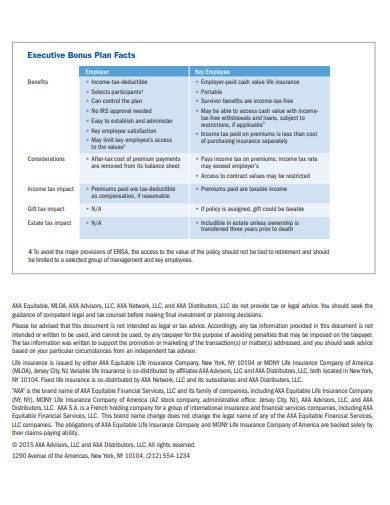
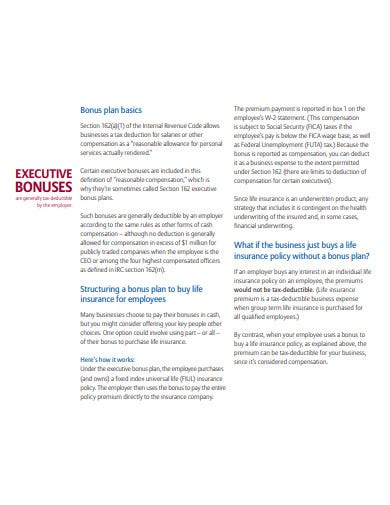
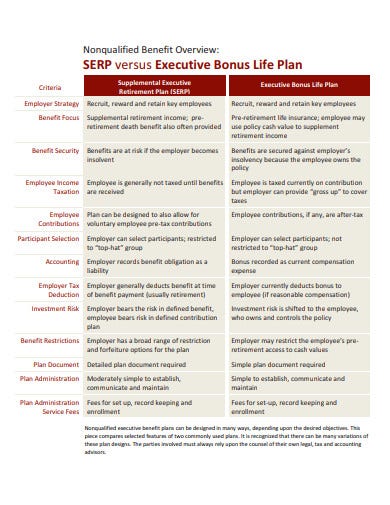
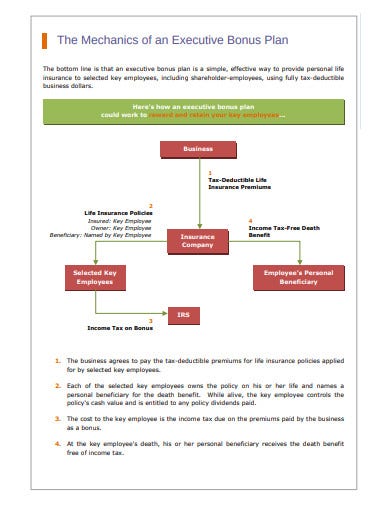
Specialized executive or life-insurance arrangements need their own review. The gallery includes filenames suggesting those subjects, but the sample is not a substitute for examining the actual arrangement with the appropriate advisers. Do not infer ownership, tax results or eligibility from the resource name.
Make approval and communication clear
Identify who proposes the result, who checks the data and who authorizes the payment instruction. Those roles may be combined in a small organization, but the tasks still need to be completed. The approval record should refer to the applicable policy and calculation, rather than an unexplained amount.
Explain how employees receive the approved policy or individual calculation information. A clear communication can identify the period, relevant measure and contact for questions without disclosing other employees’ private compensation. Choose the delivery method appropriate to the organization’s records and confidentiality arrangements.
An acknowledgement can show that information was provided, but it should not be casually described as giving up rights or approving every calculation. Use wording that reflects the actual process and has received the required review. A signature box on a template does not resolve an ambiguous policy.
Review outcomes and disagreements
Provide a route for raising a data or calculation question. State who receives it and what supporting reference is useful. An employee might identify a missing qualifying transaction or a period that appears incorrect; the reviewer needs enough information to assess the issue against the approved rule.
Keep the original calculation reference and explain any authorized correction. Do not silently change an input and erase the reason the amount changed. If a payment instruction has already been sent, coordinate the correction through the proper payroll process rather than assuming the edited worksheet changes the payment.
Review the plan’s administration after the relevant cycle. Note unclear definitions, data-source problems and timing issues that need consideration for a future approved version. Distinguish a proposed future change from the terms applied to the period already being assessed.
Final checks before using a template
Confirm the plan’s purpose, eligible group, period, data definitions, calculation method and approval roles. Compare worked examples with the wording and resolve any mismatch. Inspect the selected archive for the actual file format and remove irrelevant sample terms.
Retain a blank master and identify the approved working version. Keep calculation worksheets linked to that version and mark their actual status. A well-organized bonus structure helps people understand the decision and reproduce the arithmetic while leaving employment and payroll treatment to the approved process.
Bonus Structure Templates:

Bonus structure template FAQs
Are all nine resources ordinary staff bonus policies?
No. The filenames include executive-plan, life-plan, staff-policy and farm-plan wording. All nine links are ZIP archives. Inspect each selected document for its actual content and format rather than assuming the layouts or rules are interchangeable.
Is a bonus always paid annually?
No. The plan’s timing depends on the actual arrangement. Define its measurement period, review process and payment schedule. Do not keep an annual sample date if the proposed plan operates on another basis.
Does calling a bonus discretionary settle its payroll treatment?
No. U.S. DOL guidance explains that the label alone does not determine whether it qualifies as discretionary for regular-rate purposes. Have the responsible payroll or legal reviewer assess the actual arrangement and the rules that apply.
How can I make tiered calculations clearer?
State whether the rate applies to the whole base or separate portions, define the threshold boundaries and include worked examples. Those approaches can produce different totals. Check that the worksheet follows the same method as the approved wording.
Can the template determine an employee’s payment?
A template organizes the policy and calculation information. The actual result depends on approved terms, verified inputs, required review and payroll processing. Keep proposed, calculated, approved and paid statuses distinct instead of treating a filled worksheet as final authorization.

