
Deposit slip templates help organize cash and check amounts before you use the receiving bank’s approved deposit process.
This page now includes two original downloads: Cash and Check Deposit Preparation and Deposit Batch Control Record. Choose Cash and Check Deposit Preparation for one deposit breakdown. Choose the Deposit Batch Control Record to connect several prepared deposits with their bank confirmation references.
The new files appear first with previews and clearly labeled download buttons. The original gallery and its resource examples follow the practical guide; descriptions of the older collection refer to that original gallery. The new PDFs have fillable fields; save a local copy, open it in a compatible PDF viewer, and review the saved result before printing or sharing.
Two new templates to download
Choose Cash and Check Deposit Preparation for one deposit breakdown. Choose the Deposit Batch Control Record to connect several prepared deposits with their bank confirmation references.
Cash and Check Deposit Preparation
Prepare a manual deposit breakdown before transferring totals to a bank-approved slip.
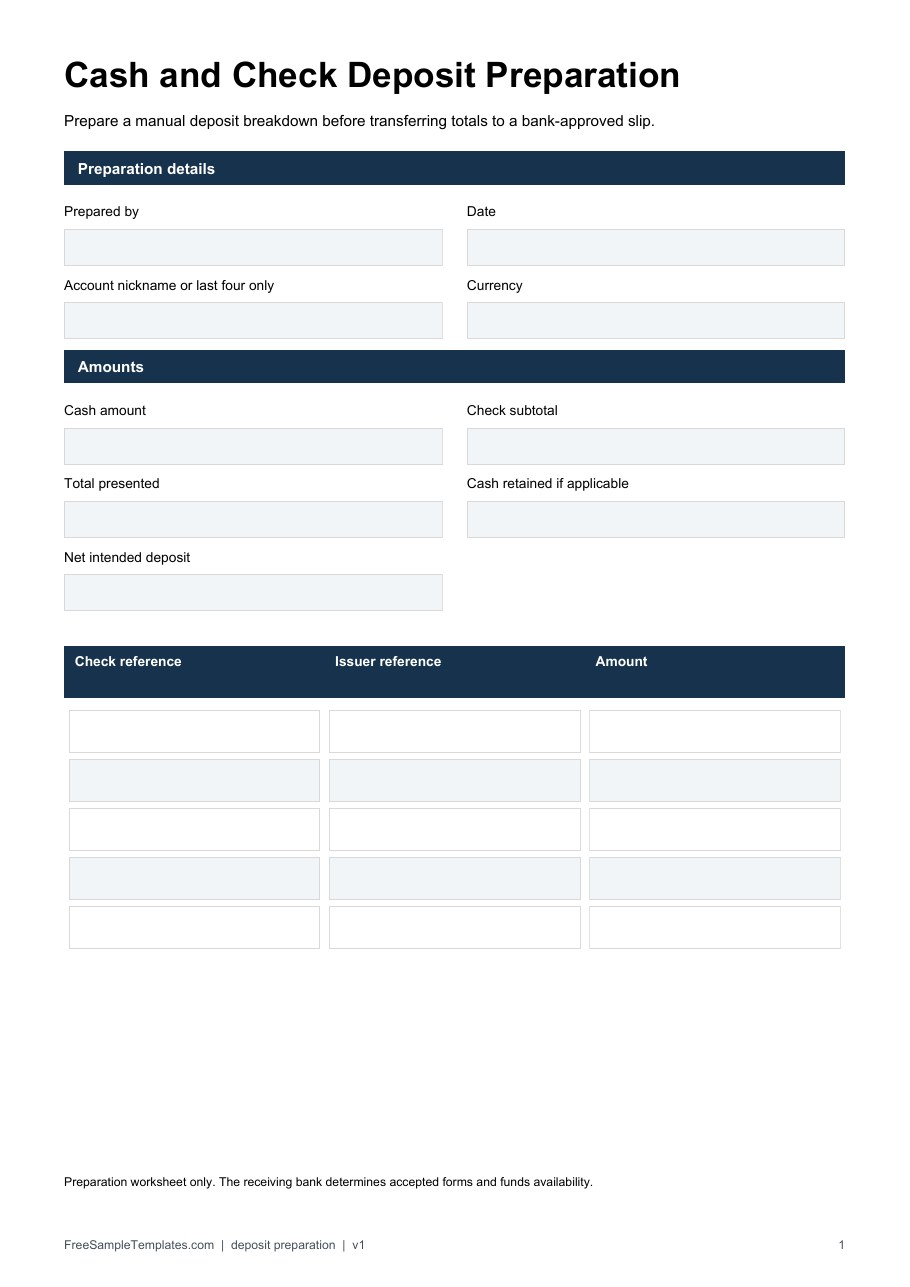
Download Cash and Check Deposit Preparation (PDF)
Deposit Batch Control Record
Connect multiple prepared deposits to bank confirmations and later reconciliation.
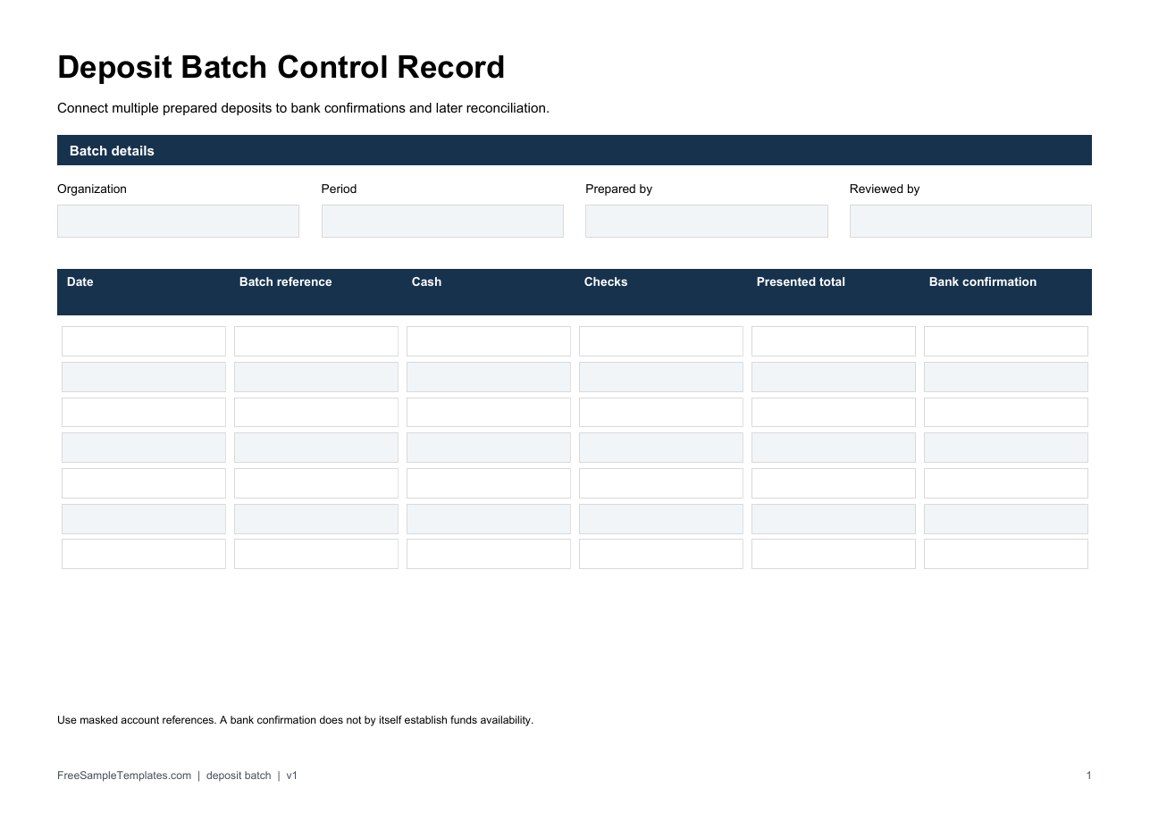
Download Deposit Batch Control Record (PDF)
How to use the new downloads
Count cash and list each check before copying the subtotal into the preparation fields. Presented total means cash plus checks; if cash is retained through a process the bank permits, show that separately before recording the intended net amount. These PDF fields are manual entries, so review the arithmetic rather than expecting automatic totals.
For a fictional deposit of 120 in cash and checks totaling 280, the presented amount is 400. If an approved process permits retaining 40, the intended net deposit is 360. The batch record keeps that preparation linked to the later bank confirmation. Neither worksheet proves that the bank accepted the funds or that they are available to spend.
Distinguish a deposit slip from payment authorization
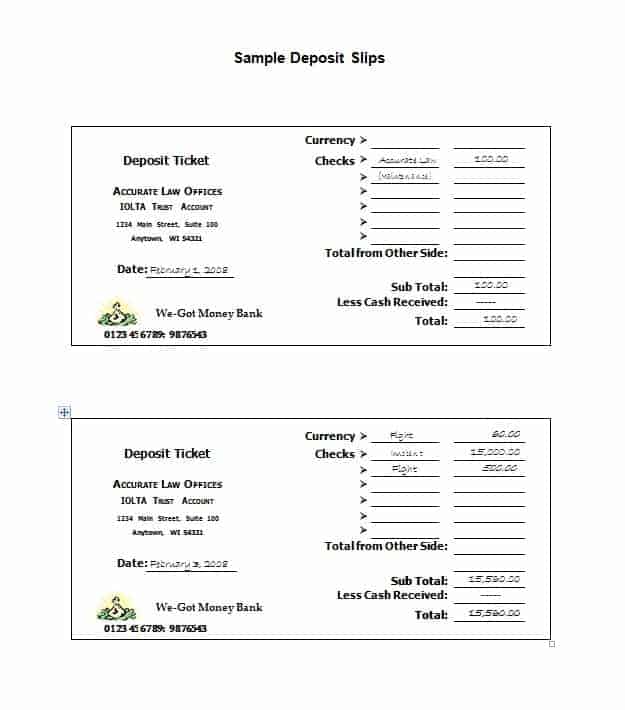
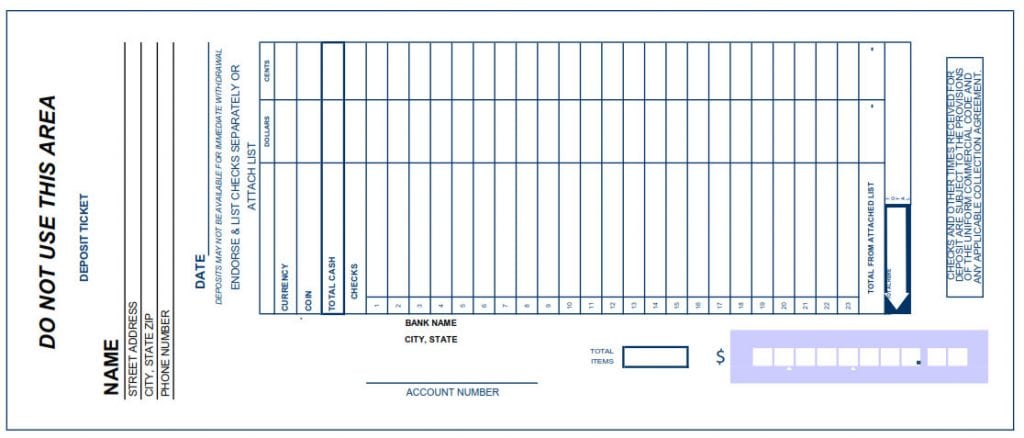
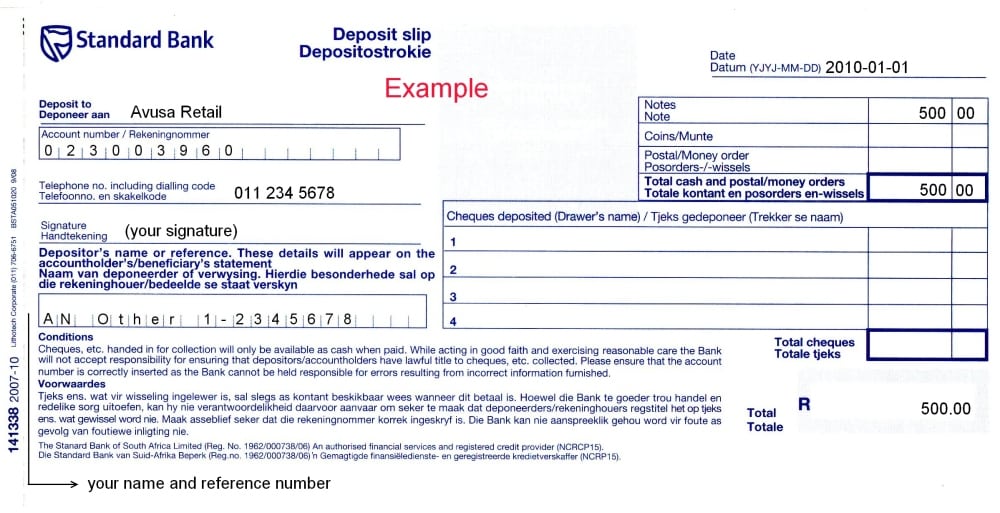
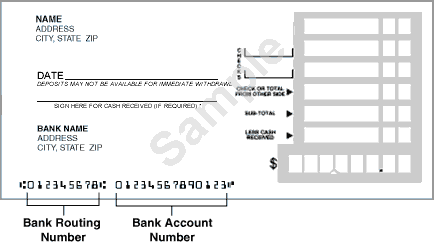
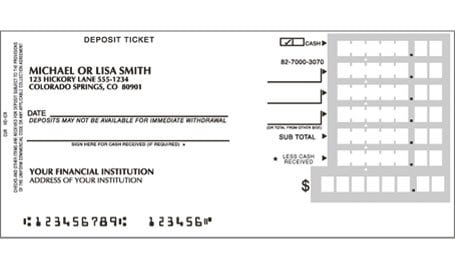
A deposit slip normally concerns the contents of a deposit being submitted at a particular time. The form can include an account identifier, deposit date, separate amounts for cash and checks and a total. The exact information and process depend on the bank, account and method of deposit.
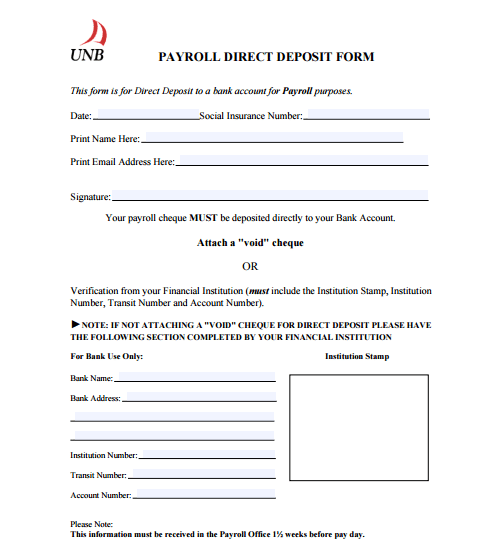
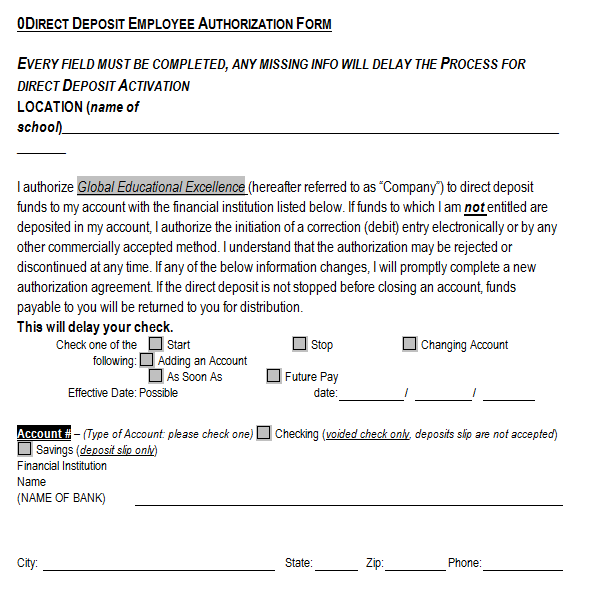
A payroll direct-deposit authorization concerns where an employer should send electronic payments. It may require banking information and authorization under the employer’s process. It is not a list of checks being delivered to a teller, and signing it does not mean an individual cash deposit has occurred.
If you need the payroll arrangement, see the separate direct deposit form guide and follow the employer’s approved instructions. If you are counting cash and checks for a bank visit, focus on the deposit-slip layouts. The mixed gallery here is useful for comparing the documents, but it should not encourage treating their fields as interchangeable.
Confirm the bank’s process first
Ask the bank which deposit method and documentation apply to the account. It may provide a printed slip, account-specific instructions or an electronic process. A generic form’s name and appearance do not confirm acceptance. Do not copy a bank logo onto a sample and treat that as approval.
For a branch deposit, confirm what needs to accompany the deposit and whether a bank-supplied slip is required. For an ATM or mobile deposit, use the bank’s supported instructions rather than assuming a paper template belongs in the process. The template cannot validate check eligibility or account ownership.
Confirm any account details through an appropriate existing record or the bank’s legitimate channel. Avoid taking numbers from a completed example. Even when a sample looks realistic, its account information is not yours. For preparation exercises, use clearly fictional references rather than inserting a real customer’s details into an educational copy.
Prepare a clear itemized record
Count the cash and list the checks using the detail your bank requires. Keep separate amounts visible until you have calculated the total. If several people have provided money for a business deposit, use the internal records to establish what was received before creating a deposit summary.
A preparation worksheet can record the date, internal reference, cash subtotal, each check amount and the proposed total. It can also note who prepared or checked the count under the organization’s procedure. Those review fields organize the work; they do not replace the bank’s transaction record.
Avoid combining unrelated accounts in one deposit summary. If two deposits are being prepared, give each its own clear account reference and item list. Keep the money and supporting records grouped according to the actual deposit so a preparer does not inadvertently use one total on another account’s form.
A fictional cash-and-check calculation
Suppose a fictional business is preparing 180 currency units in cash, one check for 75 and another check for 125. The check subtotal is 200, and the proposed total deposit is 380. The preparer records the three components separately before entering the total on the required bank form.
A reviewer can reproduce the calculation: 75 plus 125 equals 200; adding 180 produces 380. If the preparation sheet instead says 390, the ten-unit difference must be investigated. It should not be hidden by changing one component until the total matches what someone expected.
This example assumes the full amount is being submitted as a deposit. It does not include cash-back arrangements, foreign currency, fees or any other adjustment. Follow the bank’s instructions for circumstances outside that simple example. The figures demonstrate arithmetic rather than the treatment or eligibility of a particular real deposit.
Connect the deposit to its underlying business records
A bank deposit can combine several customer payments, while a customer payment may be only part of an invoice balance. Keep references that let an authorized reviewer trace the deposit to the relevant receipts. Do not assume the deposit total equals revenue for that day solely because money is going into the account.
A payment history record can help organize amounts received against a customer’s payment schedule. The deposit preparation sheet can refer to that record where appropriate, but they answer different questions. One tracks the customer’s payment history; the other organizes the items being submitted to the bank.
Keep corrections visible when the internal record and the physical deposit disagree. An unexplained difference could arise from transcription, an omitted item or a count needing review. Locate the cause before marking the preparation complete. A balanced-looking total does not establish that every underlying payment has been included accurately.
Keep preparation, submission and posting separate
Use clear status wording such as prepared, submitted and bank posting checked. Prepared means the worksheet and items are ready. Submitted refers to the actual deposit process. Posting checked means someone has compared the bank’s recorded transaction with the expected information. These stages should not be collapsed into one checked box.
Retain the bank-provided receipt or confirmation through the appropriate recordkeeping process. A self-completed slip or an image of a template is not equivalent to confirmation from the bank. Where the bank provides a reference, connect it to the internal deposit record so a later reviewer can follow the sequence.
Do not create a bank receipt by editing a sample to show that a transaction succeeded. If confirmation is missing, obtain the relevant record through the bank’s supported channels. The document collection supplies layouts for preparation and understanding; it does not verify account activity or manufacture evidence of funds.
Understand that posting and availability differ
FDIC deposit-account guidance explains that deposited funds are not always immediately available for use. The method and type of deposit and the bank’s applicable policies can affect access. A template cannot establish a universal release time for every cash or check deposit.
Ask the bank about the particular transaction and review any notice it provides. Avoid promising that all deposited checks will be available the same day or that a receipt means the check cannot later be returned. Recording a deposit accurately is separate from deciding when its funds may be used.
For a U.S. account, the bank’s current availability disclosure and applicable rules are the appropriate starting point. Other jurisdictions have their own requirements. This guide does not calculate a release date from the template’s layout or extend one country’s banking rules to every reader.
Protect account information in working copies
A completed deposit record may contain information that is unnecessary for general circulation. Limit who receives the working copy according to the purpose and organization. For a count-review exercise, a controlled internal reference may be more appropriate than distributing the full account number.
Keep the blank master separate from completed forms. Before using a copy as a sample or training handout, remove real account information and make the fictional status clear. Check the file itself and the printed version; a name removed from one visible field may still appear elsewhere in the document.
Do not use public previews as a place to supply banking details. Obtain assistance through the bank’s legitimate contact channels. If a colleague needs the organization’s deposit procedure, share the approved instructions rather than a completed form containing another person’s account information.
Compare the deposit with the bank record
When the bank records the transaction, compare its amount and reference with your expected deposit. Keep a note of any unresolved difference and the supporting confirmation. FDIC guidance on deposit reconciliation identifies inaccuracies on deposit slips and processing issues among possible sources of discrepancies.
An account check register worksheet can help maintain an internal transaction reference, but the bank’s record still needs to be reviewed. A preparation total is a figure you expected to submit; the bank posting is a figure recorded through the banking process. Comparing them helps reveal differences rather than assuming they must match.
If there is a discrepancy, contact the bank with the relevant information through its supported process and retain the response. Avoid silently overwriting the expected amount and losing the reason for the change. Update the internal status when the question has been resolved, keeping the explanation understandable to the next reviewer.
Review the selected layout before use
Choose the preview according to the purpose: cash-and-check deposit preparation or direct-deposit authorization. Check the linked archive’s actual contents, ensure the form has enough space and remove irrelevant sample entries. A Word-compatible layout may be editable, but editability alone does not make it an approved banking document.
Read the required bank or employer instructions alongside the sample. Confirm names, dates, account references, itemized amounts and totals through the appropriate records. Use the template to make your preparation clearer while allowing the institution’s actual procedure to determine how the transaction is submitted and confirmed.
There Are Deposit Slip Templates Word
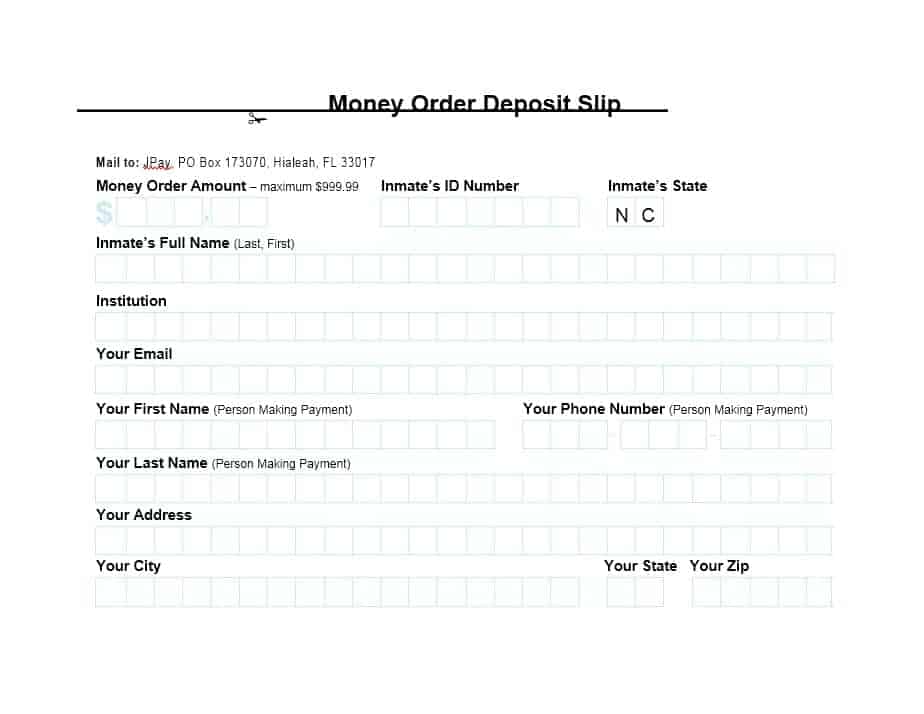

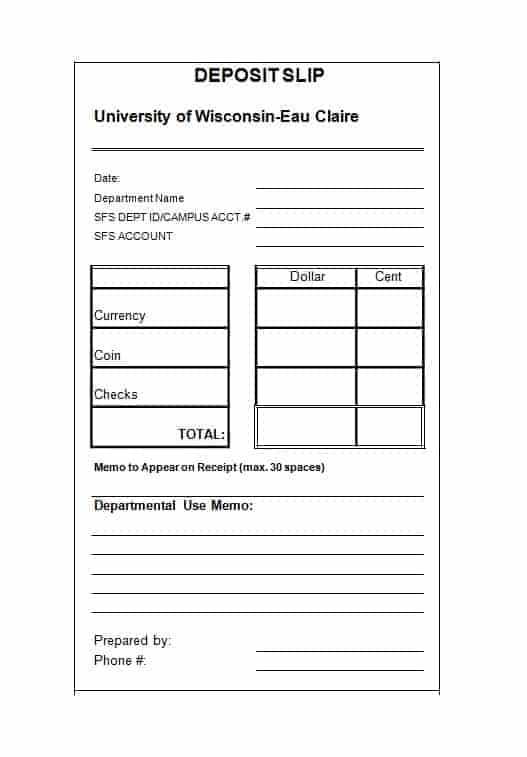
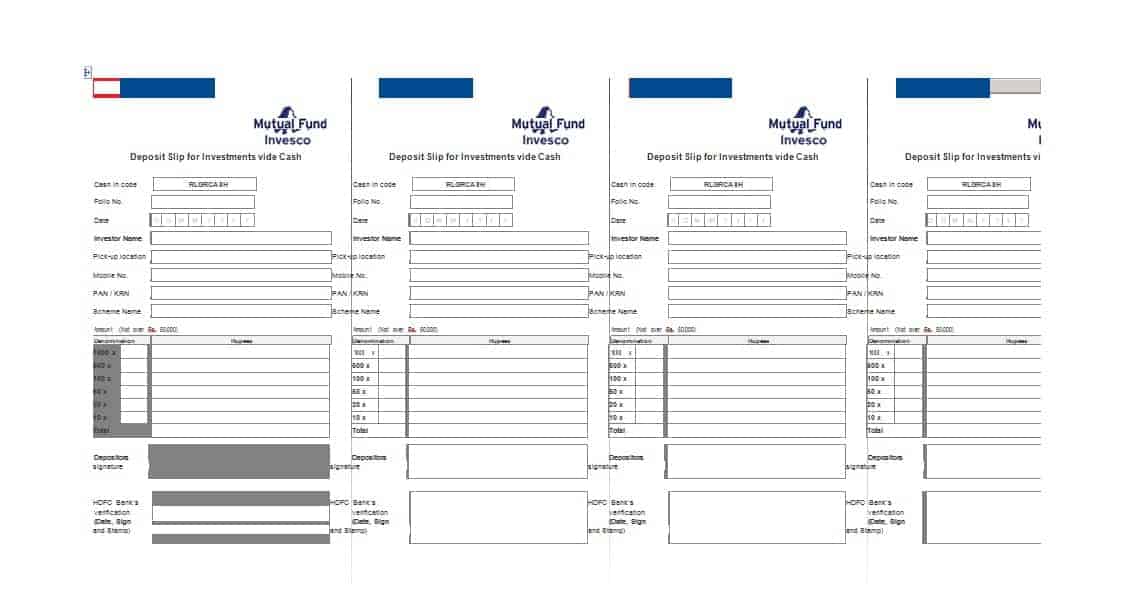
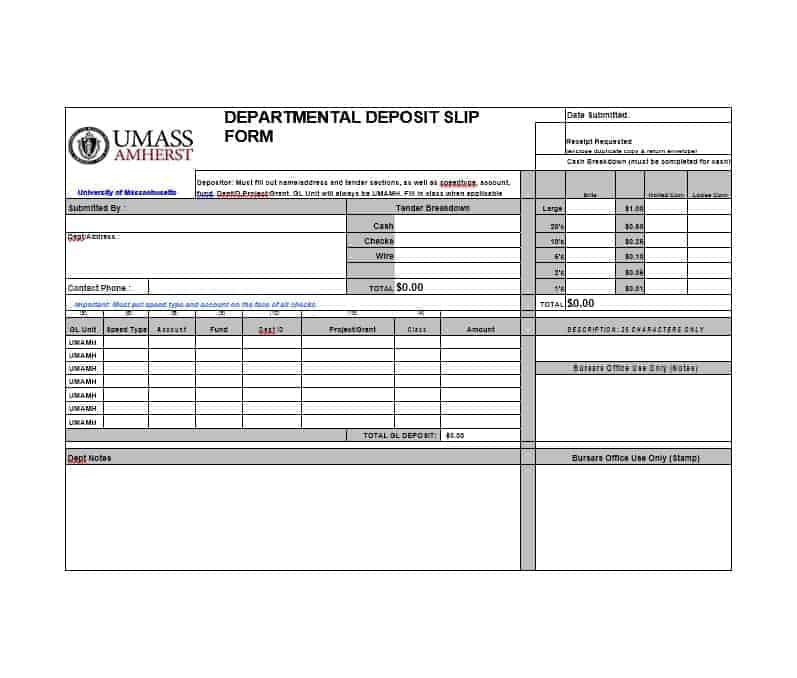
Direct Deposit Form Word Template
Payroll Direct Deposit Form
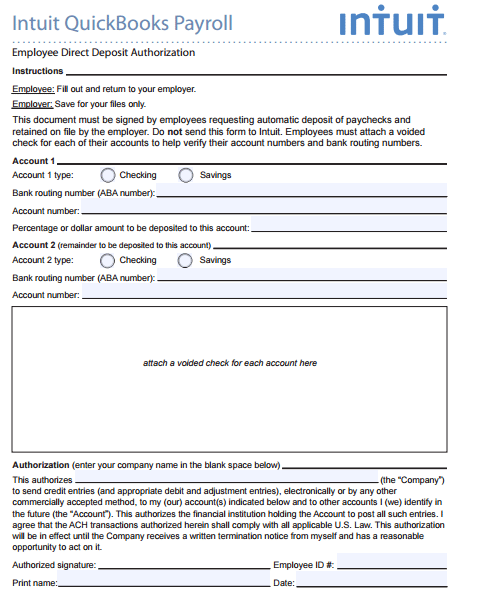
Employee Direct Deposit Form
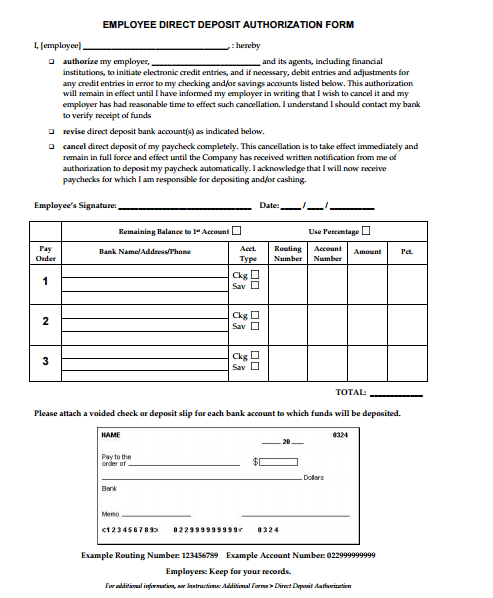
Direct Deposit Form PDF
Deposit slip template FAQs
Are all thirteen previews deposit slips?
No. The collection also includes payroll and employee direct-deposit authorization examples. A deposit slip itemizes cash or checks for a specific deposit; a direct-deposit authorization supplies payment instructions. Choose the document type that matches your purpose.
What formats are the two new downloads?
The two new files are fillable PDFs with different purposes and matching previews. Open them in a compatible PDF viewer, complete the fields and save your copy. They are not DOCX files, and numerical PDF fields do not calculate totals automatically. The original gallery has its own mixed resources and formats.
Will my bank accept a downloaded deposit slip?
Acceptance depends on the bank’s current process. Obtain its required form or instructions and confirm whether a generic layout may be used. A bank name or familiar-looking design on a template does not establish approval.
Does a completed slip prove a deposit succeeded?
No. A preparation sheet records intended information. Retain the receipt or confirmation supplied through the bank’s actual process and check the recorded transaction. Do not turn a sample into a purported bank confirmation.
When can I use deposited money?
Ask the bank about the specific deposit and its current availability policy. Posting, receipt of a deposit and availability are distinct matters. The template does not calculate a universal access date or establish that a deposited check cannot be returned.