Work order templates organize job scope, assigned staff, materials, findings and completion checks. Compare layouts for maintenance and service requests.
3 Work Order Templates
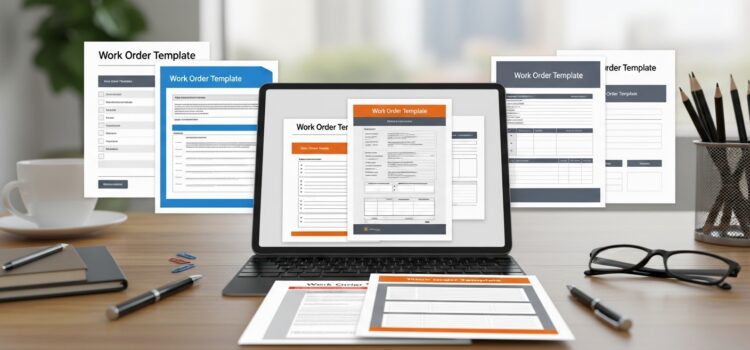

Collection of Free Word Excel Templates
Work order templates organize job scope, assigned staff, materials, findings and completion checks. Compare layouts for maintenance and service requests.
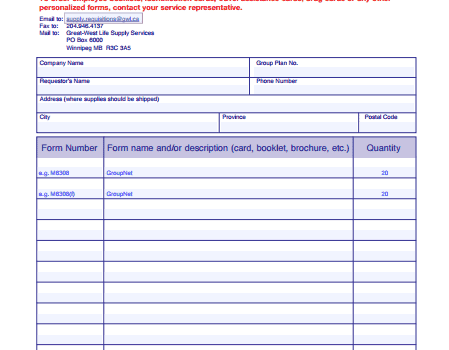
Service order templates record customer requirements, pricing, delivery details and approved changes. Compare examples for clear handoffs and billing.
A quotation template presents products or services, quantities, prices and conditions for customer review. Learn to check totals and handle revisions.
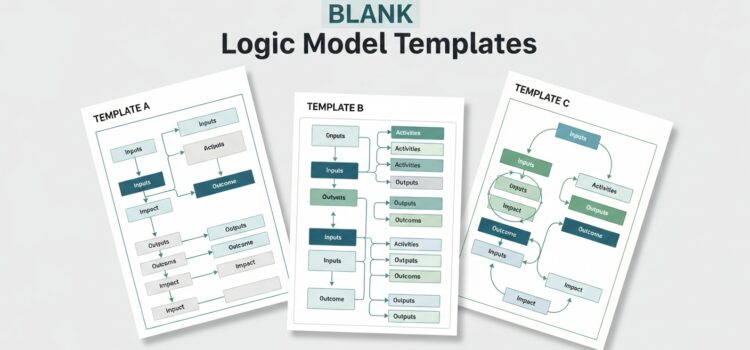
A blank logic model template explains how program resources and activities are expected to lead to outputs and outcomes. Define the audience, assumptions and measures before completing the diagram.
A deal memo template brings the main engagement details together: parties, role, dates, compensation basis and referenced terms. Describe the actual arrangement and identify unresolved decisions.
A white paper template structures a detailed explanation for a defined audience and decision. Start with the question, organize supporting evidence and state the limits of the analysis.
A task list template organizes specific actions with owners, dates, dependencies and status. Write each item so the next step and evidence of completion are clear.
A board meeting agenda identifies the business to be considered, its order and the outcome needed from each item. Distinguish information, discussion and decisions, and identify supporting papers.
A sales plan template connects sales objectives with customer scope, activities, owners and review measures. Separate targets from forecasts and state the assumptions behind both.
A table of contents template helps readers navigate a document through consistent headings and correct page references. Decide the heading hierarchy before formatting the contents page.