A white paper template structures a detailed explanation for a defined audience and decision. Start with the question, organize supporting evidence and state the limits of the analysis. A professional layout helps readers assess the argument; it cannot make unsupported claims reliable.
Use an essay outline to organize the argument, a table of contents to navigate longer sections and a cost analysis spreadsheet when the recommendation depends on costs. Explain assumptions and source dates alongside the figures instead of presenting estimates as observed results.
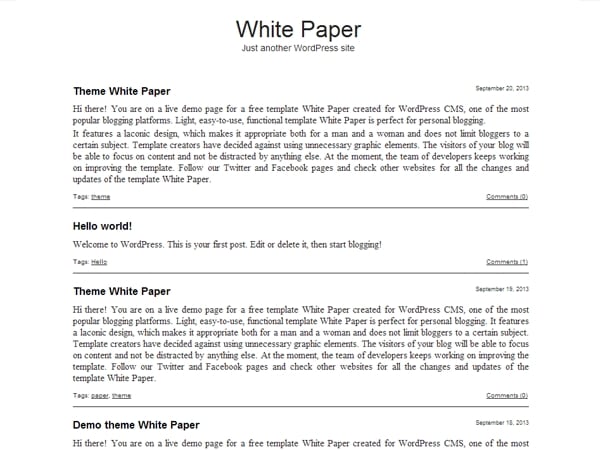
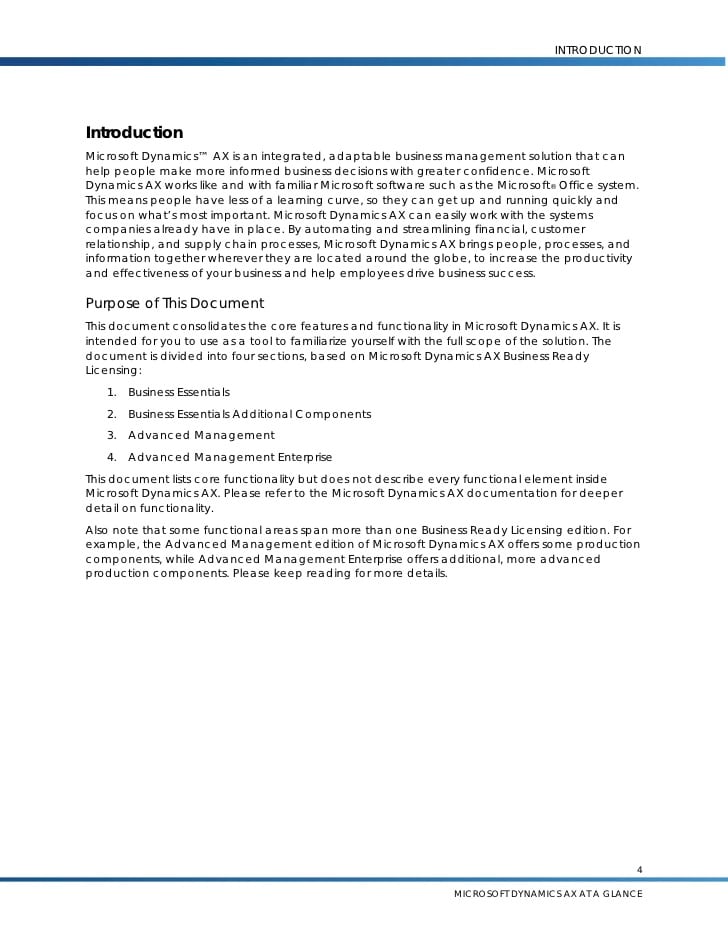
This collection contains five previews linked to external resource pages, including a SlideShare document page. Review each destination’s actual content, file format, and terms before adopting it. The previews show presentation ideas; they do not establish that every linked resource is a free editable document or suitable for the same subject.
Use the white paper for the argument and supporting evidence. A white paper should not repeat an entire company profile merely to add length. Introduce the organization only where it helps the reader understand the source, perspective, or relevant experience, then keep the main text focused on the decision or issue being examined.
What Is a White Paper?
A white paper is an informative document that provides detailed analysis of a specific subject, problem, technology, product, industry issue, or proposed solution. Unlike a short blog post or promotional brochure, a white paper generally provides deeper information supported by research, evidence, analysis, and logical explanations.
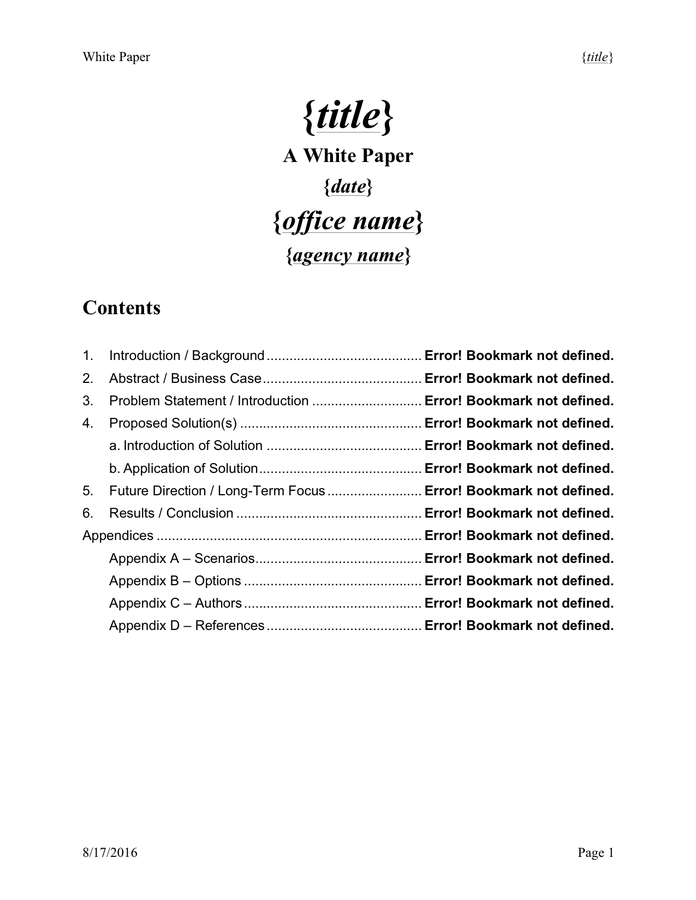
A white paper template helps organize this information into a professional document. Depending on the purpose, it may include an executive summary, introduction, problem statement, background information, research, analysis, proposed solution, conclusion, and references.
Free White Paper Template
A free white paper template can save considerable time when preparing a business, academic, technical, or research-focused document. Instead of starting with a blank page, you can use an existing structure and replace the sample content with your own research and analysis.
An editable white paper template can be adapted for technology companies, marketing agencies, consultants, nonprofits, researchers, educational projects, and business professionals. You can add your organization’s branding, logo, charts, tables, images, references, and other supporting information.
Business White Paper Template
A business white paper can be used to examine an industry challenge, explain a business solution, present research findings, or establish expertise on a particular subject. Companies often use white papers as educational resources that provide valuable information to potential customers and professional audiences.
A strong business white paper should focus on the reader’s problem rather than simply promoting a product or service. Research, statistics, examples, and practical recommendations can make the document more useful and credible.
Technical White Paper Template
A technical white paper template can help organize complex technical information into a format that is easier for the intended audience to understand. It may be used for software, engineering, technology, cybersecurity, infrastructure, scientific research, or other technical subjects.
Technical white papers often benefit from clearly defined terminology, diagrams, data, methodology, technical explanations, and supporting references. The amount of technical detail should depend on the knowledge level of the intended readers.
White Paper Format
A professional white paper format normally begins with a title and introduction before presenting the main problem or topic. The document can then explain relevant background information, present research and analysis, discuss potential solutions, and conclude with findings or recommendations.
The structure should be logical and easy to navigate. Use descriptive headings and subheadings so readers can quickly find the information they need. Charts, tables, statistics, and illustrations can also help explain complicated information when they genuinely add value.
Printable and Professional White Paper
A printable white paper template can be prepared for physical distribution or saved as a digital document for online sharing. A professional layout should use consistent typography, appropriate spacing, clear headings, page numbers, and properly formatted references.
Before publishing a white paper, review the document carefully for factual accuracy, grammar, formatting, citations, and consistency. Any research or statistics should be properly attributed and supported by reliable sources.
A well-prepared white paper document template can provide the structure needed to turn research and expertise into a professional resource that informs readers and supports business, educational, technical, or organizational goals.
Write a brief before choosing the document design
Define the reader and the question the paper will help them answer. A procurement team comparing service options needs different information from technical staff evaluating an implementation. State what the audience already knows, what needs explanation, and what decision or next step the document supports.
Write a scope statement. Identify what the paper includes and what it does not examine, using concrete boundaries such as a particular process, period, or set of alternatives. A paper claiming to solve “all communication problems” is difficult to support. A paper examining a defined handover process can explain its evidence and limitations more clearly.
Purdue OWL’s white-paper guidance emphasizes purpose and audience. Use that planning step before filling template headings. The section labels should serve the actual explanation; do not invent content merely because the sample includes a heading called “research findings” or “industry trends.”
Keep claims connected to evidence
For each substantive claim, identify its support. A published source, an internal observation, a measured result, and a proposed assumption are different kinds of information. Label them accurately so readers can tell whether a statement describes evidence, interpretation, or a future expectation.
Record a source’s author or institution, title, date where relevant, and the direct reference needed to find the supporting material. Check that the source actually supports the claim being made. A reference about another industry or a different population may provide background without establishing the same result for your setting.
Do not turn a small example into a universal statistic. If an internal review covers 12 records, describe those records and the review method. Explain relevant limitations, such as the period or selection. A percentage without a denominator can sound more general than the underlying evidence warrants.
Use charts and tables where they clarify comparisons or results. Name the units, period, categories, and source. A visually striking chart with an unclear scale or an unlabeled forecast can obscure rather than explain the evidence. Keep the figure’s conclusion within what the data actually show.
Fictional outline: reducing incomplete maintenance requests
Consider an invented white paper for an office operations manager. Its question is whether a revised request form could reduce clarification calls before job assignment. The paper’s scope is a small pilot in one office team, not all maintenance services. The problem section describes what information the team found missing and how the records were reviewed.
The method section explains the pilot period, the records included, the definition of an incomplete request, and how clarification calls were counted. The author identifies limitations, such as the small sample and differences in the type of requests received. No numerical results are supplied here because the example is an outline, not completed research.
The options section compares keeping the existing process, revising the required fields, and adding a staff review step. It describes what each option would change, what information is still needed, and the practical constraints. The recommendation can then propose a limited next step supported by the actual pilot results rather than promise a universal reduction.
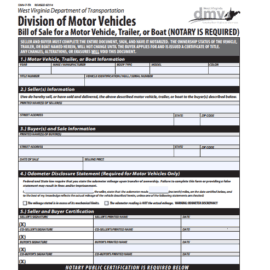
The paper might reference a maintenance request form as the document being reviewed. It should distinguish the sample layout from the pilot’s actual evidence. A downloadable form is a resource for implementation; it is not a source proving that the proposed process will produce a particular outcome.
Present alternatives fairly
Describe the alternatives using comparable criteria. If one option is evaluated for setup cost and another only for convenience, the comparison is difficult to interpret. Choose criteria relevant to the reader’s decision and explain any weighting or judgment rather than hiding it beneath a single score.
Identify dependencies and trade-offs. A proposed software process might require training, access arrangements, and ongoing administration. A paper process might require a controlled master and a reliable filing route. Discuss those conditions at the level supported by the evidence rather than treating the preferred option as effortless.
If the author has a commercial interest in one option, make the perspective clear. The reader can then evaluate the argument with that context. A business white paper can describe a product or service, but promotional language should not replace the explanation of the problem, alternatives, evidence, and limitations.
Make the recommendation traceable
State why the recommendation follows from the analysis and what remains uncertain. An executive summary should reflect the same conclusion and qualifications as the main text. Do not make the summary stronger than the evidence because it is the part most readers see first.
Separate the recommended next step from a claim that implementation already occurred. A pilot proposal, an approved rollout, and a measured result are different stages. If the paper recommends a trial, describe what would be measured and reviewed before deciding whether to continue.
Use an action plan to translate an approved recommendation into named responsibilities and follow-up steps. The white paper can identify that implementation need without becoming a duplicate project schedule. Keep the argument and the operational plan connected by the recommendation and its review criteria.
Review content and layout together
Check that definitions remain consistent, figures match the text, references support the claims, and limitations are visible near the conclusions they qualify. Remove repeated background that does not help the reader evaluate the question. Length should follow the subject’s needs rather than a promise that every white paper requires a fixed number of pages.
Review the exported or printed document for readable headings, page numbers, table labels, figure captions, and working references where applicable. Keep the title, author or organization, issue date, and version identifiable. A revised paper should be distinguishable from an earlier draft, especially if its evidence or recommendation changes.
Replace all sample names, placeholder charts, and invented results before publication. A template’s example findings are not your organization’s research. Keep the clean master separate from the completed paper and preserve the source records needed to explain its evidence.
There Are White Paper Templates

Frequently Asked Questions
Are all five resources free editable documents?
The page links to external resource pages with differing purposes and terms. Inspect the chosen destination and actual format before assuming editability or permission to reuse it.
What should I decide before filling the headings?
Define the audience, the question, the scope, and the evidence needed to support the explanation or recommendation. The headings should follow those decisions.
Can a white paper be promotional?
A business may explain its solution, but readers still need a clear problem, evidence, alternatives, and limitations. State any relevant commercial perspective instead of substituting sales language for analysis.
How should a small internal study be described?
Identify the period, sample, method, and limits. Do not present a limited observation as a universal result or report percentages without their context.
Can I use the fictional maintenance outline as completed research?
No. It is a planning example with no actual results. Your published paper needs its own evidence and should not invent findings to fill the layout.
What belongs in the executive summary?
The main question, approach, findings, recommendation, and material qualifications. Its conclusion should agree with the evidence and limitations in the full document.
Is an action plan the same as a white paper?
No. The white paper explains the analysis and recommendation. An action plan assigns implementation steps and responsibilities after the relevant decision.
Is there one required page count?
Use the length needed to explain the defined subject clearly. Remove repetition and include the evidence readers need rather than expanding the paper to a fixed length without a reason.