
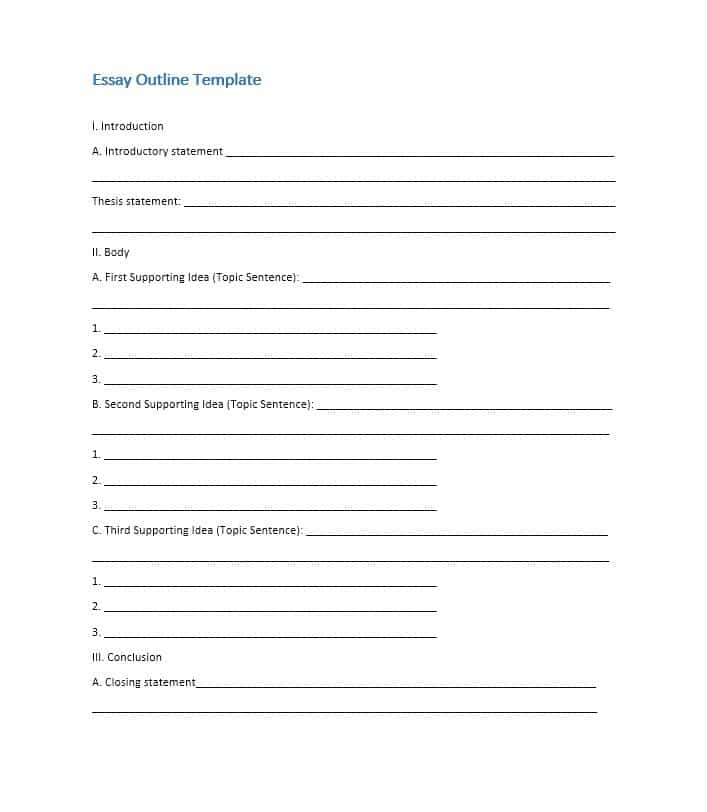
An essay outline template organizes the argument, evidence and section order before drafting. Start with the assignment and a focused thesis, then identify what each paragraph needs to establish. Keep source notes beside the claims they support so drafting does not turn into disconnected summaries.
Plan research time with a daily schedule, capture revision checks in a checklist and compare longer evidence-led structure using white paper templates. Adapt the outline to the assignment rather than assuming every writing task needs the same number of sections.
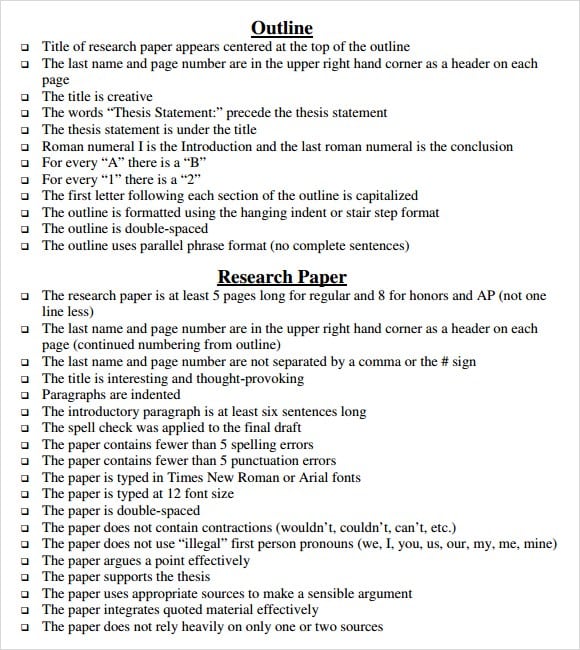
The four previews below offer starting points for organizing that work. The collection includes external resources, a local ZIP link, and a research-paper checklist destination. A checklist can help review an assignment, but it is not interchangeable with an outline. Check each resource’s actual format and contents rather than assuming every preview leads to the same kind of editable file.
Use the outline as a working plan, not a script you must follow regardless of what you discover. Students can use it to clarify a position, teachers can adapt it to a specific assignment, and other writers can use it to arrange an explanation. The right structure depends on the question, evidence, audience, and instructions.
Read the prompt before filling the boxes
Start by identifying the action the assignment asks you to perform. “Compare,” “evaluate,” “explain,” and “argue” call for different decisions. An outline that merely lists facts may not answer a prompt that asks you to evaluate two approaches. Write the task in your own words and keep it visible while planning.
Record the required length, audience, source requirements, citation style, and submission instructions. Note whether the instructor expects an outline to be submitted separately. Some assignments require complete sentences, numbered levels, or a particular outline format; others allow short working notes. Follow those instructions even when the template uses a different arrangement.
Separate requirements from suggestions. If the prompt supplies several possible questions, choose a focus rather than trying to answer every option in one short essay. List any unclear point to ask your instructor about. Resolving a question about scope early is more useful than discovering after drafting that half the essay addresses the wrong task.
Build a focused question and a provisional thesis
A broad topic such as “school libraries” is a subject area. A question such as “Should a school extend library hours during examination weeks?” gives the essay something more definite to investigate. Your outline should make the difference visible.
A provisional thesis gives an answer you can refine as you examine evidence. For example: “Extending library hours during examination weeks could improve access to study space, provided staffing and demand are reviewed first.” This statement identifies a position and an important condition. It is more useful than “Libraries are important,” which does not establish the direction of the argument.
Do not treat the first thesis as a conclusion you must defend at any cost. If reliable evidence suggests that demand is low or staffing is impractical, revise the position. A good planning document records the reasoning behind the essay instead of hiding evidence that complicates it.
For an explanatory essay, the controlling idea may describe a process or relationship rather than advocate a policy. For a literary essay, it may offer an interpretation supported by passages from a text. Choose language that matches the assignment rather than forcing every essay into a debate format.
Give each section one job
An introduction usually establishes the subject, the relevant context, and the essay’s direction. Plan only the background the reader needs. A long history of the topic can consume space without helping the reader understand your specific question.
Each body section should develop a distinct part of the answer. In the library example, one section could examine student access, another could consider staffing, and another could explain how a limited trial would be evaluated. These are different jobs. Repeating “longer hours help students” under three headings would not create three separate reasons.
Under each section, identify the claim, evidence, and explanation. The claim states the point; the evidence supports or complicates it; the explanation shows why the evidence matters. A quotation does not perform that explanation on its own. Leave a note describing the connection you need to make.
The conclusion should bring the reasoning together and answer the question at the appropriate level of certainty. It can explain implications or limits without introducing an unrelated major argument. Plan it after the body has a clear direction, and revise it when the draft changes.
A worked argumentative outline
Consider an assignment asking whether a school should extend library opening hours during an examination period. A workable introduction would explain the specific access issue and end with the provisional thesis above. It would not claim that every school has the same problem.
The first body section would examine demand. Possible evidence might include the school’s own attendance records or a student survey, if available and appropriate to use. The planning note should distinguish evidence you already have from evidence you still need. Do not invent survey results to make the outline look complete.
The second section would consider feasibility: available staff, operating arrangements, and the expected cost of a trial. A counterargument could explain why existing hours may be adequate. The response should address that concern fairly, perhaps by proposing a short trial only if demand supports it.
The final section would propose criteria for reviewing the trial, such as attendance during extended hours and feedback about access. The conclusion would return to the conditional recommendation. This arrangement makes the argument’s limits visible and gives the writer a practical research agenda.
This is an illustrative structure, not evidence about any actual school. Replace it with your own question, supported information, and assignment requirements. The purpose is to show how claims and evidence can be connected before polished paragraphs are written.
Choose a structure that matches the essay
A five-paragraph outline can help with a short assignment that calls for three main points. It becomes restrictive when the question needs additional distinctions, multiple sources, or an extended response to objections. Add or remove sections to fit the reasoning, subject to your instructor’s directions.
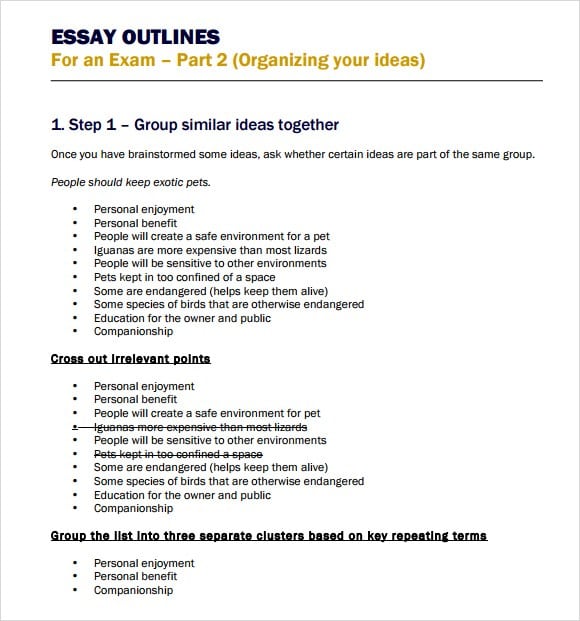
A comparison essay can group material by subject or by comparison criterion. Grouping by criterion often helps readers see the direct relationship between two items, but the choice depends on the task. Decide which criteria matter before filling the outline; a random list of similarities may miss the question’s central issue.
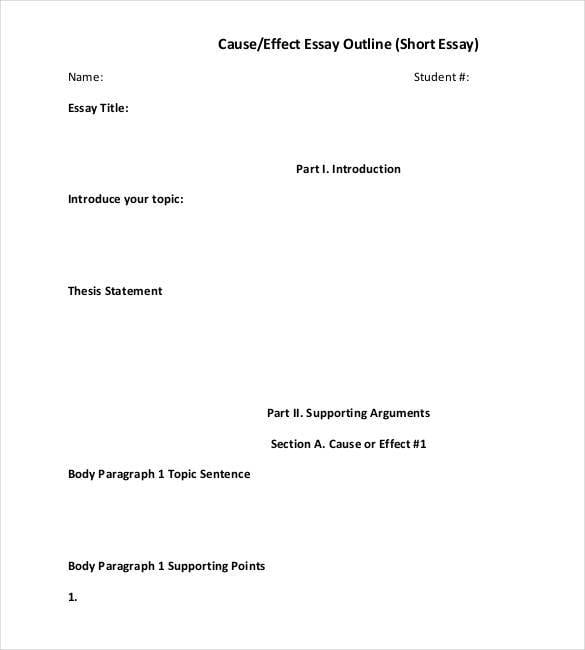
A process essay generally follows meaningful stages in sequence. A cause-and-effect essay should distinguish established relationships from possible explanations. A narrative essay may follow chronology while still using a clear focus. Do not retain headings such as “argument against” when they serve no purpose in the assigned form.
When an assignment centers on a particular book, a book report template may help you separate basic information and summary from your own analysis. Use an essay outline when the main task is to build a connected interpretation or argument rather than simply report what the book contains.
Keep source notes usable
Record the source of each planned piece of evidence as you collect it. Include enough detail to locate the original material later, such as author, title, page or section, and publication information appropriate to the source. Keep exact quotations clearly marked so they do not become confused with your own wording.
Write a short note about what the source actually supports. A source describing one school cannot automatically establish a claim about all schools. Note limitations and conflicting findings instead of labeling every source “proof.” These distinctions help you draft a more accurate argument.
Do not fill missing evidence slots with plausible numbers or invented references. Mark them “source needed” and decide whether the claim should be narrowed or removed. Cite and acknowledge sources according to the assignment’s requirements, including any rules about assisted writing tools.
A task list template can help schedule the remaining research, drafting, and citation checks. Keep that work plan separate from the essay’s argument so administrative reminders do not become part of the submitted outline.
Turn the outline into a draft and revise it
Draft one section at a time, using the outline to remember the section’s purpose. Add transitions that explain the relationship between ideas: contrast, cause, qualification, or sequence. Repeating the same transition word at every paragraph does not establish a logical connection.
After drafting, create a reverse outline by writing a brief description of what each paragraph actually does. Compare it with the planned structure. If two paragraphs do the same work, combine or differentiate them. If a paragraph does not help answer the question, revise it or remove it.
For a longer document that requires navigation, a table of contents template can help present the finished section structure. Add one only when the assignment or document format calls for it; a short essay normally does not need a contents page merely because an outline was used.
Before submission, check that the thesis and conclusion agree, each major claim has appropriate support, quotations are accurate, and citations match the reference list. Review the actual essay rather than assuming that a complete outline guarantees a complete draft.
Adapt the previews with care
Select a layout with enough room for your claim and evidence notes. A compact version may suit a short classroom task, while a research-oriented layout may be better for tracking several sources. Confirm the resource’s contents before choosing it for a required submission format.
Replace sample headings and remove instructions that should not appear in the submitted document. Keep a blank copy for later assignments and save a working version with an identifiable file name. The template’s purpose is to make your reasoning visible; decorative formatting is secondary to a clear, accurate plan.
Essay Outline Templates Are Added Here

Essay outline questions
Does an essay always need five paragraphs?
No. Use the length and structure appropriate to the assignment and reasoning. A five-paragraph plan is a starting option for some short essays, not a universal requirement.
What belongs beneath a body-section heading?
Include the main point, the evidence you will use, and a note explaining how that evidence supports the point. Add source details so you can find and cite the material later.
Can I change my thesis after making the outline?
Yes. A provisional thesis should change when research or drafting reveals a stronger answer. Update the body plan and conclusion to match the revised position.
Should an outline use sentences or short notes?
Follow the instructor’s requirements for a submitted outline. For your own planning, use whichever form makes claims, evidence, and gaps easiest to understand.
Is a research-paper checklist an outline?
No. A checklist helps you review requirements or completion steps. An outline arranges the content and reasoning of the paper. This collection includes a checklist destination, so check the resource type.
What if I have more ideas than the word limit allows?
Prioritize the ideas needed to answer the question. Narrow the focus, combine related points, and remove interesting material that does not contribute to the argument.


