
An introduction email to a client tells the recipient who their contact is, what that person handles, and how to reach them for the next step. It is particularly useful when a new employee joins an account team, responsibility transfers between colleagues, or a project begins with a confirmed customer. The message should explain the actual relationship without implying that terms or responsibilities have changed when they have not.
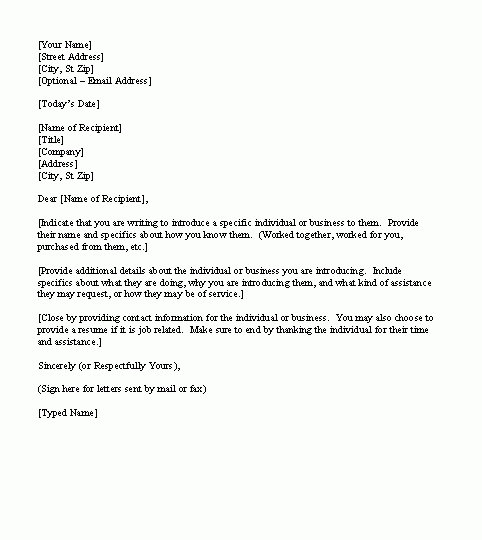
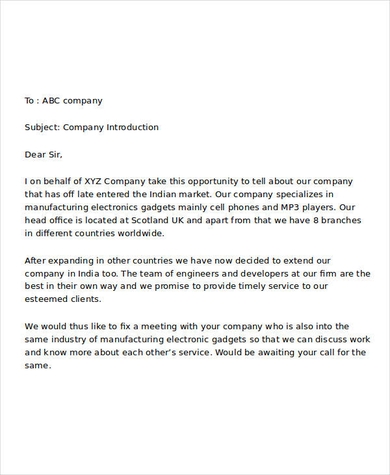
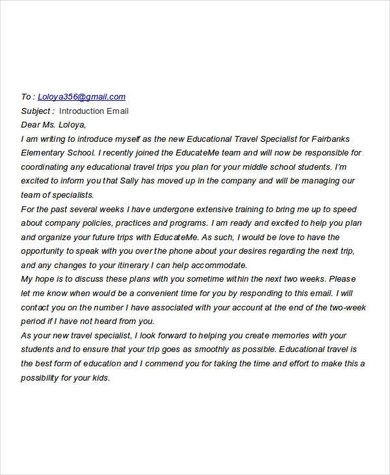
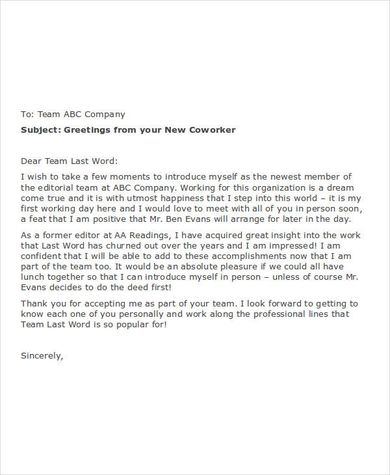
The five previews below have DOCX, DOC, and ZIP resource destinations. One preview is named as a colleague-introduction example, so the collection includes related communication layouts rather than five identical client-handover emails. Review the actual files and replace their sample details before use. An image preview does not establish the contents of an archive or the suitability of its wording.
Use this guide for client contacts and account handovers. For first contact with another company or a broader commercial introduction, see the business introduction email examples. A contact information record can hold the confirmed communication details separately, so the email does not become the only place staff can find the current contact.
Identify the client relationship and your role
Begin with your actual name, role, and organization, plus the account or project context the client recognizes. “I am joining the project coordination team for your display order” is more useful than “I am your new representative” when the role is limited to one project. Describe the scope honestly so the client knows which questions belong with you.
If responsibility transfers from a colleague, identify the handover clearly and use the actual effective date. Explain whether the previous person remains involved, which route the client should use, and what happens to open questions. Do not make a broad promise that every part of the service will be handled by you if the team uses separate billing or technical contacts.
Keep the client-facing explanation brief. Internal organizational history may not help the recipient understand the change. The useful facts are the role, scope, contact route, relevant timing, and immediate next step. A friendly tone can support the introduction without adding invented personal familiarity.
Fictional sample: a new project coordinator
The following example uses invented names and circumstances. Subject: “Your project coordination contact at Alder Studio.” Message: “Hello Casey, I am Morgan, the coordinator joining the Alder Studio team for your display project. I will be your contact for scheduling updates and document coordination. Lee continues to handle the design review. I have received the current project notes and will confirm the next review date after checking the outstanding availability details. Please use our agreed project mailbox for scheduling questions. Regards, Morgan.”
The sample names the role and its limits. It does not imply that Morgan has approved the design or that a review date is already confirmed. For a real introduction, replace the invented details and use the communication route actually agreed for the client.
If the sender has not yet reviewed the notes, the message should not say they have. An accurate alternative can state that the review is in progress and identify when the client can expect the next update under the actual process. The point is to provide an understandable handover rather than a polished but unsupported claim.
Fictional sample: transferring an ongoing account
Subject: “Account contact handover for Meadow Supply.” Message: “Hello Casey, from 15 April I will coordinate routine ordering questions for your Meadow Supply account. Jordan has shared the current order references and the open question about the next delivery location. I will check that point with our team and send the update through the account mailbox. Billing questions will continue to go to the billing team using the existing route. Thank you, Morgan, Account Coordinator.”
This example explains a specific effective date, a pending item, and a separate billing contact. It does not promise that all open work is resolved simply because the contact changed. A real message should use the confirmed handover date and the actual status of the item.
Check that the outgoing colleague’s name and the reference to shared notes are accurate and appropriate to disclose. Do not describe an internal issue or departure in unnecessary detail. The client needs a reliable communication route and an honest account of the immediate next action, not confidential personnel information.
Fictional sample: introducing a team for an agreed project
Subject: “Project contacts for your display installation.” Message: “Hello Casey, I am introducing the team supporting the display installation described in our agreed order. Morgan will coordinate scheduling, Lee will handle design queries, and Rowan will review delivery arrangements. I remain your contact for questions about the overall project scope. We will use the agreed project mailbox to keep the communication together. Our next step is to confirm access details before the installation date is finalized. Regards, Jordan.”
A team introduction helps when responsibilities are genuinely divided. It should not create a confusing list of names with no explanation of who handles what. Use the actual roles and identify one route for questions that do not fit neatly into a category.
The example refers to an agreed order but does not reproduce its contractual terms. Keep the service order or other appropriate project record as the source of the agreed scope. The introduction can point to the recognized reference without becoming a new offer or silently changing the customer’s arrangement.
Explain open items without promising unapproved outcomes
Before writing the introduction, identify the client’s current questions and the status of the response. Distinguish a received request, a planned review, and a confirmed answer. “I will check the requested delivery change” is different from “your delivery change is approved.” Use the wording supported by the actual event.
Give the next action and responsible contact where useful. If a date depends on access, supplier information, or another decision, explain that dependency concisely. Do not promise a completion date merely to make the introduction seem decisive. The client benefits more from an accurate next step than an assurance the team cannot support.
Avoid asking the client to repeat information already available through the handover unless clarification is actually needed. When a detail is missing, name the specific question. A short request about the delivery location is easier to answer than a generic instruction to resend every project document.
Check the communication routes and supporting material
Use the correct recipient and the agreed contact route, and check the roles of copied recipients. Keep unrelated client details out of the message and attachments. If an attachment is mentioned, confirm that it is the intended document and version rather than another customer’s file or an old internal draft.
A separate company profile can be shared when the client needs background, but the contact introduction should stand on its own. The recipient should be able to identify the sender’s role and the next step without opening a long document. Avoid adding several promotional links to a simple service-contact handover.
Commercial-email requirements depend on the actual message and applicable rules. A relationship update should describe the real contact change accurately; adding promotional material may affect how the message is treated. The US FTC’s CAN-SPAM guidance distinguishes commercial and transactional or relationship content. Check the applicable process rather than assuming a friendly introduction settles that question.
Review the reusable master
Keep prompts for name, role, account or project reference, contact scope, effective date where relevant, and next step. Remove prior client names and unfinished questions before adapting it. A colleague-introduction sample can suggest a tone, but an internal team announcement needs different context from an external client message.
Read the final message from the client’s perspective. Can they tell who you are, why you are writing, what you handle, and whether anything needs their response? Replace broad phrases such as “all your needs” with the actual role. Avoid guarantees about permanent relationships, perfect service, or outcomes that an introduction cannot establish.
After the introduction, maintain the confirmed contact details through the organization’s actual records and follow through on the stated next action. The email records the communication, while the operational records keep responsibilities and open work current. A clear message is useful because it connects those facts, not because it substitutes for the handover itself.
Free Introduction Email to Client Samples:


Frequently Asked Questions
Are all five resources the same file format?
No. The existing destinations include DOCX, DOC, and ZIP resources. Inspect the actual selected file and archive contents before deciding how to edit it.
How is this different from a business introduction?
A client-contact introduction explains a role, account relationship, or handover to a client. A first-contact business introduction presents the company and proposes a relevant conversation.
What should a new contact say first?
State the actual name, role, organization, and recognizable account or project context. Explain which questions the person handles rather than making an unlimited service promise.
Should I mention the outgoing colleague?
Use the actual handover context where it helps the client. Keep the explanation factual and avoid unnecessary confidential personnel details.
Can I copy the fictional emails directly?
Use their structure, but replace every invented name, date, role, event, and contact route with accurate information. Do not present the examples as actual handovers.
Does the introduction approve a requested change?
No. Keep a received request, planned review, and confirmed decision distinct. The wording should match the actual status.
What if several team members are involved?
Explain each relevant role and give a clear route for general questions. A list of names without responsibilities can create more confusion.
Should I ask the client to resend everything?
Use the handover information already available. Ask only for specific missing or unclear details rather than making the client repeat the whole project history.

