
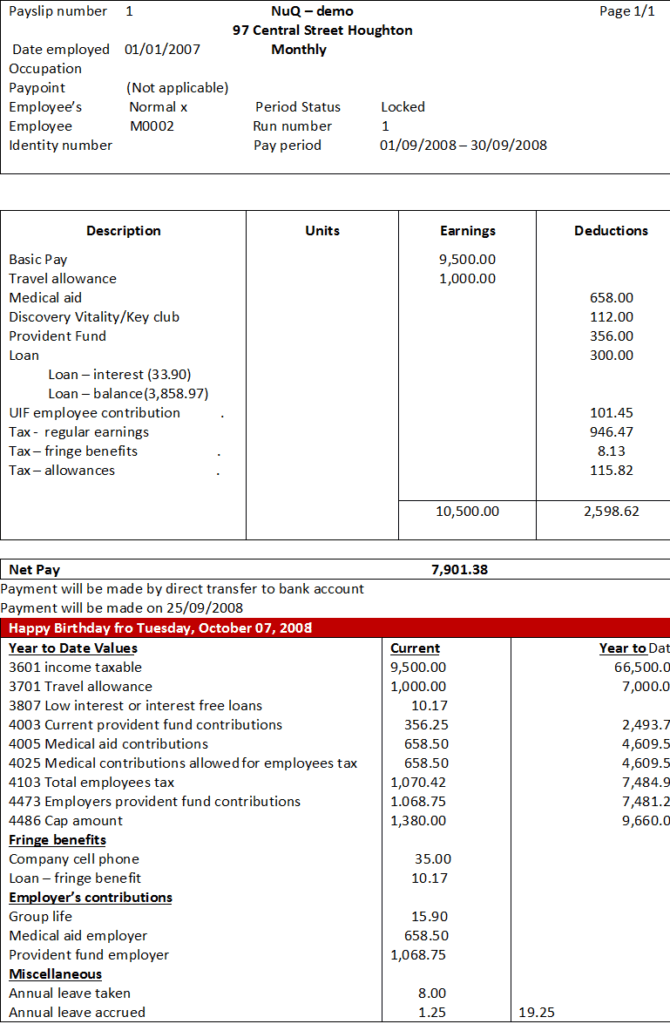
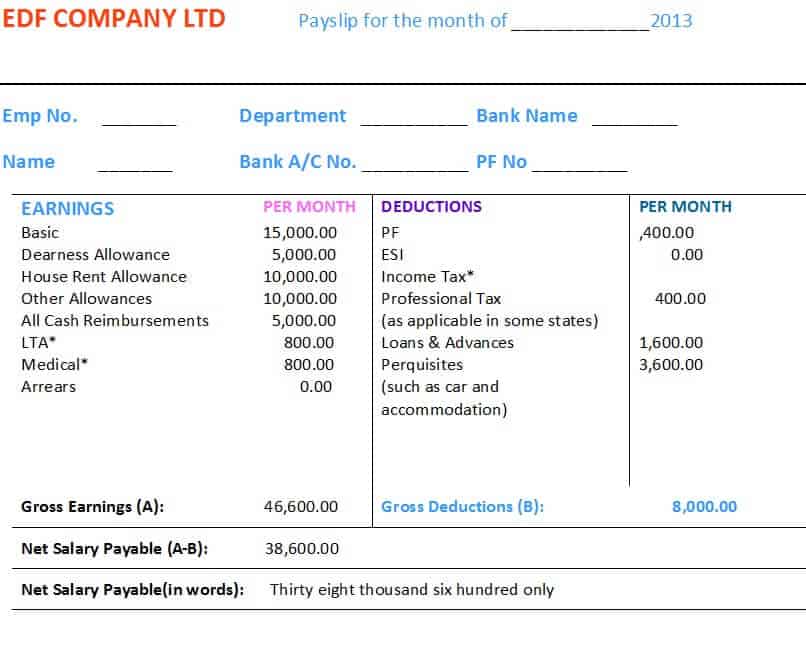
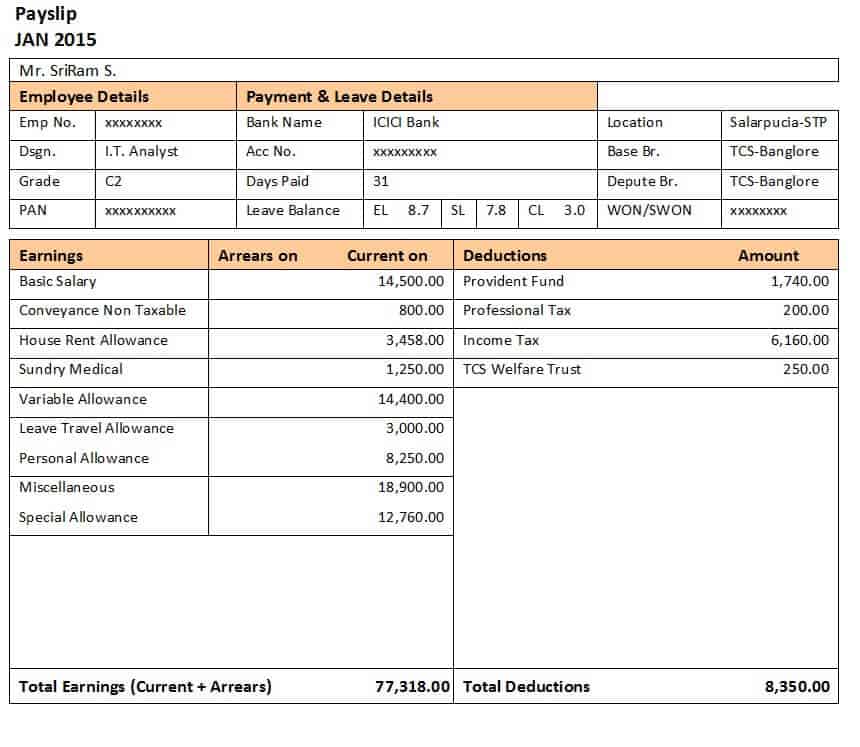
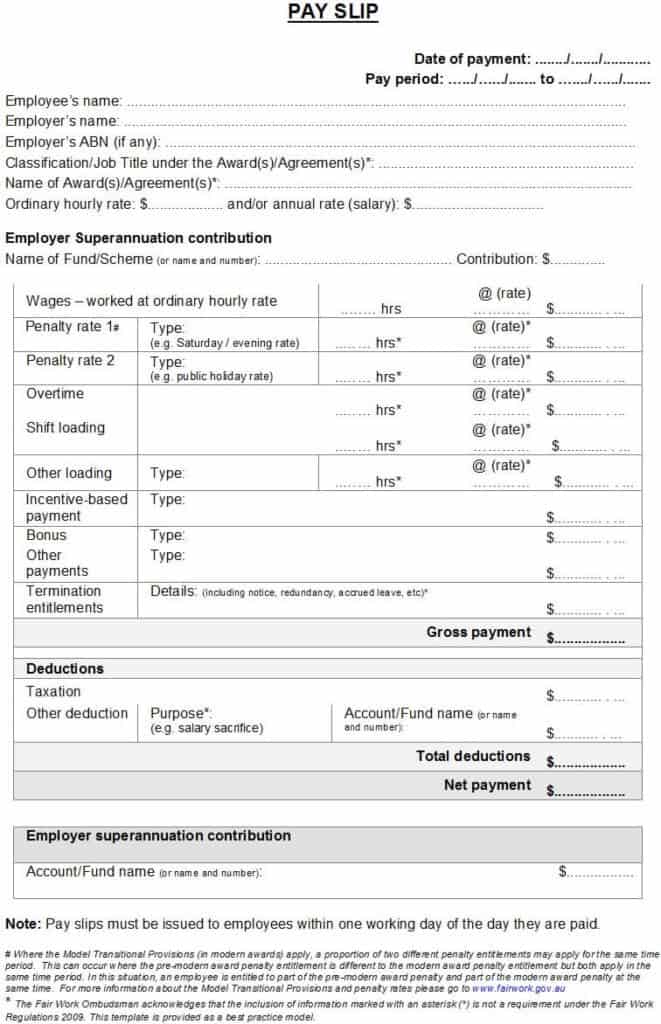
A payslip format presents an individual worker’s pay information for a defined period. It can show earnings, relevant deductions, the resulting net figure, and other required details. The statement needs accurate payroll records and applicable rules; a template does not prove every calculation is correct or that a payment has reached the recipient.
The ten previews below lead to one DOCX resource and nine ZIP archives. Nine resources also appear in the salary-format collection. The archive destinations do not establish that every file is Excel, and the gallery does not show more than ten previews despite the title’s plus sign.
Use the salary layout guide for preparation and worksheet selection, the direct deposit guide for payment enrollment, and an expense report for expenditure and reimbursement review. This guide focuses on the employee-facing payslip and the questions a reader or issuer should be able to resolve.
Identify the statement and period
Check the employer and employee details and the period the statement covers. A pay-period start and end, payment date, and issue date can have different meanings. The reader should not have to infer the period from a filename alone.
Confirm that the statement belongs to the correct individual. Similar names or reused sample identifiers can produce a mix-up even when the totals look reasonable. Use the actual organization’s identity and payroll references through the appropriate process.
If the statement includes cumulative figures, label them separately from current-period amounts. A year-to-date total should not be interpreted as the amount due for one period. Clear headings help readers understand which figures they are comparing.
Read earnings before focusing on the final number
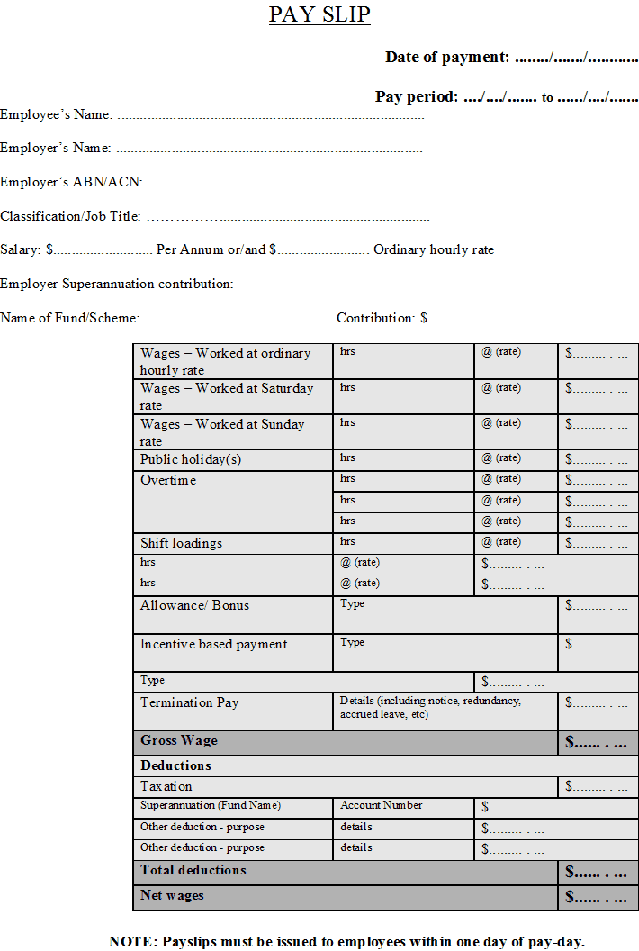
The earnings section should explain the components included in the period. Depending on the actual arrangement, relevant categories can include ordinary pay and other applicable earnings. A bare grand total may leave the reader unable to understand why it differs from another period.
Where hours or units relate to pay, their relationship to the calculation needs to be clear under the applicable requirements. A quantity and rate should use matching units. The template does not establish the correct rate or whether a particular arrangement is lawful.
Keep estimates distinguishable from actual payroll output. A projected pay amount can support planning, but it should not be issued as a completed statement. The final payslip needs the real approved information for its identified period.
Understand deductions and the net figure
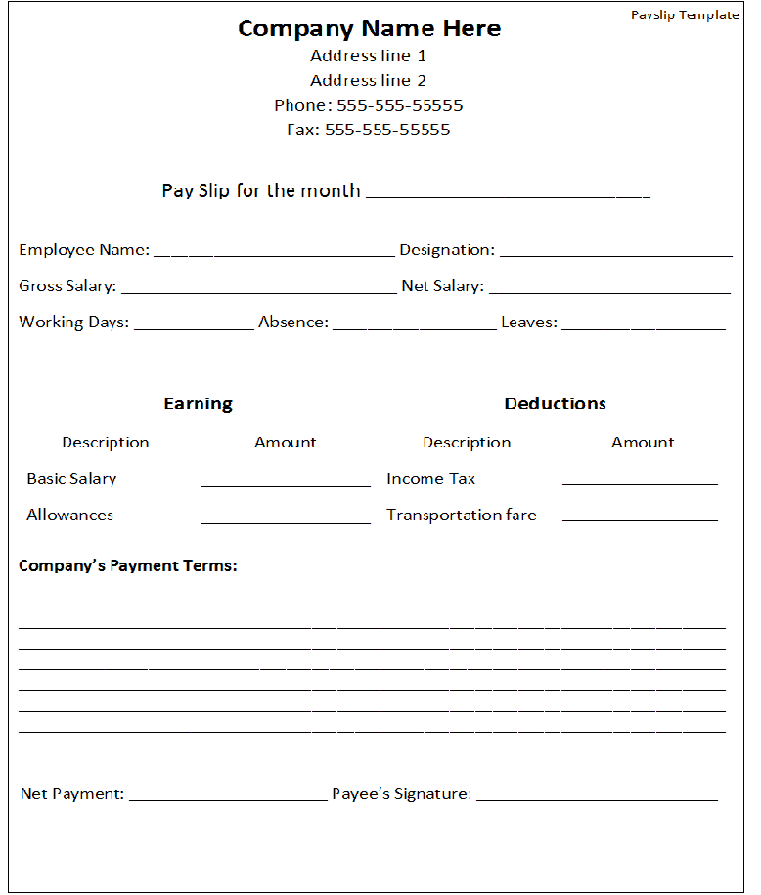
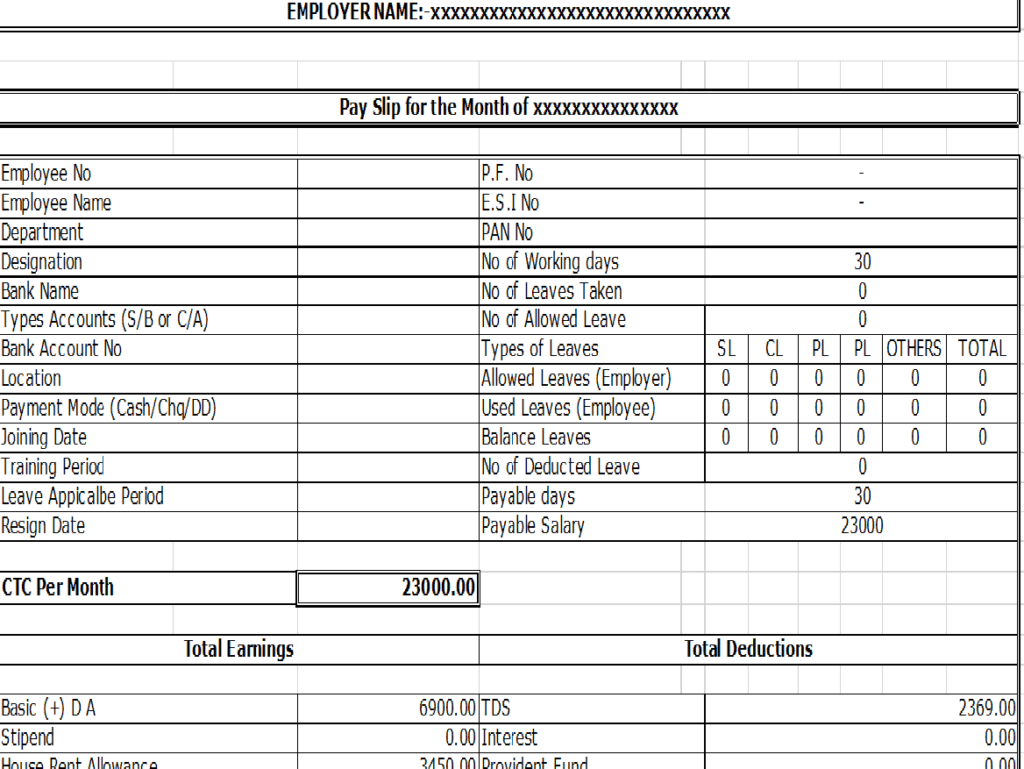
Deductions reduce the relevant earnings according to the actual calculation and requirements. Their labels and amounts should be understandable. A generic deduction column does not explain every tax, contribution, or other item by itself.
Do not treat every displayed contribution as an employee deduction. Some statements may also show employer-only information. The layout should distinguish those categories so that the reader does not subtract an amount that does not reduce their net pay.
The net figure describes the result under the statement’s definitions. Other displayed information, such as a separate reimbursement or cumulative total, may have a different role. The relationship between the statement and payment needs the actual payroll process.
Apply payslip requirements in the correct jurisdiction
GOV.UK's payslip guidance explains relevant rights, timing, and content requirements in its context, including earnings before and after deductions and hours where pay varies by time worked. It also identifies exceptions. This is jurisdiction-specific guidance rather than proof that every employer worldwide has identical duties.
The earlier universal claim that all kinds of employers everywhere must issue the same itemized document was too broad. Applicable requirements depend on location, worker status, and circumstances. Use the relevant current authority information for the actual arrangement.
A visually professional format does not establish compliance. The needed content, timing, calculation, and delivery process must be checked separately. This article does not set universal tax rates, contribution percentages, or a required pay frequency.
Fictional example: comparing two periods
Imagine an invented payslip showing earnings of one thousand eight hundred units of currency and employee deductions totaling two hundred fifty. Under this deliberately simplified example, the net figure is one thousand five hundred fifty.
In a second period, the example shows an additional one-hundred-unit earnings component and deductions totaling two hundred seventy. The simplified net figure is then one thousand six hundred thirty. The labels explain why comparing only the final amount would miss the changed components.
These figures illustrate arithmetic and presentation only. They are not a payroll calculation, permissible deduction rate, or pay benchmark. A real statement needs the applicable treatment of each component and the actual records.
The statement’s payment date is separate from evidence that funds reached an account. A prepared document can describe the intended payment without proving settlement. Use the relevant payment information when reviewing that question.
Distinguish a payslip from proof of every related fact
A payslip communicates pay information, but it should not be treated as independent proof of every underlying hour, tax remittance, or bank event. Those facts have their appropriate records and review processes. The document’s purpose should remain clear.
A lender or other organization may request particular income evidence, but its acceptance requirements are its own. A downloaded template filled with invented amounts does not become legitimate evidence of actual earnings. Use the authentic employer record and requested process.
A sample can demonstrate layout using invented data. It should remain visibly distinguishable from a real statement. Do not reproduce a real employer’s branding or another worker’s information to make a demonstration appear authentic.
Raise questions with clear references
If a component or amount is unclear, identify the employee reference, period, and specific line when contacting the appropriate payroll team. A focused question can be easier to resolve than saying the entire payslip is wrong without explaining the issue.
Keep the relevant source information available through the actual process, such as the appropriate time or approved pay record. The question should describe the discrepancy rather than assume a template’s sample figure is the correct result.
This guide does not determine the remedy for a real wage dispute. Use the relevant employer process, authority information, or qualified assistance for the situation. The layout can organize information while the actual facts and rules determine the response.
Prepare and issue the statement accurately
For issuers, connect the document to the actual payroll output. Do not manually copy an earlier period’s amounts without checking the current records. A familiar layout can conceal a stale date or figure when repeated frequently.
Review the individual statement’s data as well as its formatting. A correctly calculated payroll total can still be assigned to the wrong name or period in a document. The employee-facing copy needs the correct matching information.
Follow the applicable timing and delivery process. A draft statement is not necessarily the issued record, and a saved file does not prove that the worker received it. Keep the status accurate through the organization’s real workflow.
Inspect the DOCX and archived formats
The direct DOCX resource supplies a Word destination, while the archives need inspection to identify their actual contents. A Word table can present figures without providing a calculation engine. An archived spreadsheet still needs its real formulas and inputs reviewed.
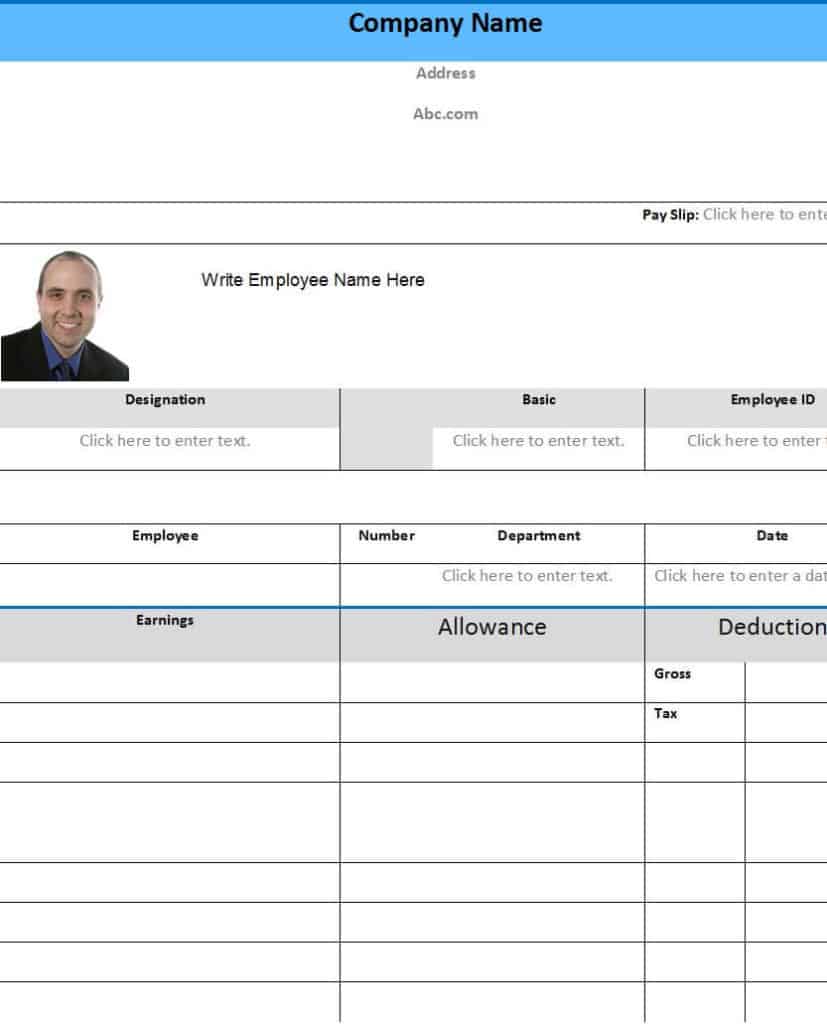
Check whether the selected layout has space for the components and explanatory labels the actual statement needs. A decorative format that compresses every deduction into unreadable text can frustrate the recipient. Readability should support understanding of the pay information.
If a field is irrelevant, adapt the layout through appropriate review instead of filling it with zero or invented detail automatically. The statement’s actual definitions should guide the fields. A source sample is not a universal payroll specification.
Keep corrections and versions distinguishable
If an issued statement needs correction, use the actual payroll process and identify the updated record. A replacement should not silently appear as an additional unrelated payment. Keep the relevant adjustment and period clear.
Do not overwrite a prior statement merely to make cumulative totals match without understanding the underlying change. A corrected statement and its supporting record should explain what is current and why. Traceability matters when several copies exist.
Keep completed statements separate from the reusable master. Remove actual worker details, amounts, dates, and internal notes from demonstration files. Private payroll information should follow the appropriate storage and sharing route.
Use the two collections for distinct questions
This collection and the salary-format page share several resources. This guide helps readers understand and issuers present an individual statement. The salary-format guide addresses choosing layouts and preparing payroll information, including the original XLSX resource on that page.
The overlap does not establish that there are twenty distinct editable documents across the two articles. Inspect the resource you need and choose it for its actual capabilities. A different page title does not create a new file.
A useful payslip format makes accurate pay information understandable. It cannot guarantee lawful deductions, successful bank payment, or acceptance as evidence by every recipient. Clear period labels, honest components, appropriate payroll review, and a traceable issue process give the document practical value.
Download Payslip Template:


Frequently Asked Questions
Are all ten resources Excel spreadsheets?
No. The original destinations include one DOCX file and nine ZIP archives. Inspect archive contents before assuming a format.
Why do the salary-format and payslip pages overlap?
They share nine resources. This guide focuses on the individual statement, while the salary-format guide covers preparation and layout selection.
Is net pay the same as gross earnings?
No. The statement should explain the relevant earnings, deductions, and resulting net figure under its actual definitions.
Does a payslip prove funds reached an account?
Not by itself. The actual payment has its own status and supporting record.
Do identical payslip rules apply everywhere?
No. Requirements depend on jurisdiction, worker status, and circumstances. Use the relevant current guidance.
Can I use sample amounts as income evidence?
No. A demonstration with invented figures is not an authentic record of actual earnings.
What should I do about an unclear deduction?
Identify the period and specific line and use the appropriate payroll or review process. The template does not decide a real dispute.
What should be cleared from the blank master?
Remove actual employee details, figures, dates, completed marks, and internal notes while retaining the appropriate reviewed layout.


