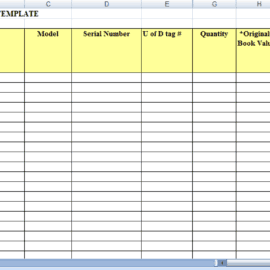
A maintenance request form identifies an observed problem, its exact location and a route for clarification. Describe what happened rather than guessing the diagnosis, and explain the impact or access constraints. The request should fit the facility’s reporting process and show how acknowledgment and follow-up will be recorded.
Assign approved follow-up in a task list, record recurring checks on a checklist and review cleaning responsibilities using a house cleaning list where relevant. These working records help track the response; they do not turn a routine request into repair authorization.
The five previews below include two external PDF links and three unlinked resource graphics. The collection contains request, work-request and combined request/work-order labels. These are different presentation options, rather than five confirmed editable downloads. Inspect a linked resource for its actual layout and fields before choosing how to use it.
Use the form within the facility’s reporting process. Routine requests can be recorded and tracked through an agreed channel, while an immediate safety concern needs the site’s appropriate urgent response route. Submitting a generic form should not be assumed to trigger monitoring, authorize entry or guarantee a particular completion time.
What Is a Maintenance Request Form?
A maintenance request form is used to notify a responsible person or maintenance department that a repair or maintenance task is required. It can be used for problems such as plumbing leaks, electrical issues, damaged fixtures, broken equipment, heating or cooling problems, or general building maintenance.
A well-designed maintenance work request form makes it easier to identify the problem, determine where it is located, and assign the request to the appropriate person.
What Should a Maintenance Request Form Include?
A useful maintenance request form template can include the requester’s name and contact information, date of the request, property or building location, room or unit number, description of the problem, urgency, requested completion date, assigned technician, materials required, work performed, and completion date.
The exact information should depend on your organization’s maintenance process. A simple office may need only basic request details, while a property management company may require tenant information, unit numbers, access instructions, repair status, and maintenance notes.
Free Maintenance Request Templates
These free maintenance request templates provide a ready-made starting point for creating a consistent maintenance reporting system. Instead of designing a new form for every repair request, employees or tenants can complete the same standardized document whenever a problem occurs.
A property maintenance request form can be particularly useful for landlords and property managers because it creates a record of tenant-reported maintenance issues. The same concept can be adapted for office buildings, schools, commercial properties, and facilities management.
Maintenance Request Form for Tenants
A tenant maintenance request form gives renters a simple way to report problems to a landlord or property manager. The form can capture the apartment or unit number, location of the problem, description of the repair needed, date reported, and preferred access or appointment information.
Keeping written maintenance requests can also help property managers organize incoming work and track whether reported issues have been addressed.
Maintenance Work Order vs. Maintenance Request
A maintenance request is generally submitted by the person reporting a problem, while a maintenance work order is often created or assigned by the maintenance team to authorize and track the actual work.
For example, a tenant may submit a maintenance request reporting a leaking faucet. After reviewing the request, the property manager may create a work order assigning the repair to a maintenance technician.
Using both documents can create a clear process from problem reporting through completion.
Editable and Printable Maintenance Request Forms
An editable maintenance request form can be customized with your organization’s name, logo, contact information, department details, priority options, and other fields. This makes the template suitable for different facilities and maintenance procedures.
A printable maintenance request form can be kept at a reception desk, property-management office, workplace, school, or other facility where users may need to report problems manually.
A standardized form helps ensure that important information is captured consistently and makes it easier for maintenance personnel to prioritize and complete requests.
Describe observations a reviewer can use
Write what you noticed, when you noticed it and where it occurred. Water visible on the floor beside the break-room sink is more informative than plumbing broken. The first statement reports an observation; the second assumes a diagnosis.
Add the location details that distinguish the issue from similar areas. A building name, floor, room label or equipment identifier can help the team find it. If an identifier is uncertain, state that clearly and offer a practical location description rather than copying the label from a different device.
Describe whether the observation is continuing or intermittent, using only what you know. Reported twice this morning gives a different picture from always happens. Avoid supplying technical conclusions or repair instructions that are outside the requester’s knowledge.
A fictional office request
Date reported: 14 May, 9:10 a.m. Location: second-floor break room, sink nearest the window. Observed issue: requester noticed water on the floor beside the sink after ordinary use. Contact: office coordinator through the internal directory. Requested follow-up: assessment through the facilities process.
That example identifies a place and observation without claiming which component failed. In a real form, include the actual report date and relevant contact details. If the site has an urgent route for the observed situation, use that route rather than waiting for a paper request to be collected.
The receiving team can add a request reference, assigned owner and current status. Those fields are separate from the requester’s original description. Keeping them distinct prevents a later assessment from obscuring what was first reported.
Decide which fields belong to the requester
The requester can normally identify the issue, location, contact details and information about when it was observed. A requested appointment window can be useful if the site’s process uses one. It should not be presented as a confirmed appointment until the responsible team agrees it.
Technical findings, approved materials and actual completion information usually belong to the team handling the work. A template may combine all those fields on one page, but the roles should remain clear. Blank technician fields do not need guessed entries merely to make the submission look complete.
A work order can organize assigned work after the request has been reviewed. It may refer to the request and describe authorized tasks, while the original form preserves the reported problem. The request itself should not automatically be treated as approval for an unspecified repair or purchase.
Make access arrangements explicit
Record any relevant contact or scheduling information through the approved process. A preferred time or note that a room is occupied may help the team coordinate access. It does not itself establish permission to enter or settle the rules that apply to access.
For rented accommodation, the room rental agreement guide discusses identifying the space and reviewed responsibilities. A maintenance request should follow the actual reporting and access arrangements that apply to the property. Do not create new entry permission or a universal notice rule while filling in a generic sample.
Avoid writing keys, alarm codes or other unnecessary access secrets on a form that may be widely circulated. Arrange access through the appropriate person and channel. Include only the information needed by the authorized team to handle the request.
Capture priority with a reason
If a form asks for priority, describe the factual effect behind the requested level. A workstation unavailable to the assigned user, a recurring interruption and a cosmetic issue are different observations. The maintenance team needs context to assess the request under its actual criteria.
Do not mark every request urgent merely because a fast response would be convenient. Equally, do not let a routine form delay the site’s response to an immediate risk. Make the normal reporting route and urgent channel clear in the organization’s own instructions.
Keep a requested completion date separate from an agreed target. The person reporting the issue may state when the problem affects an event or activity. The receiving team should record what it has actually committed to do and identify any outstanding assessment or resource decision.
Track acknowledgement and assignment
Give the request a reference and record how it was submitted. If the system provides acknowledgement, retain the appropriate record. A saved draft is different from a submitted request, and a submitted request may still need the receiving team’s review.
Track the current owner and next step. Waiting for inspection, awaiting access arrangement and work assigned describe different stages. Clear statuses help the requester understand why the matter remains open without pretending that a technician has already confirmed the repair.
During team changes, a shift report can identify outstanding maintenance references and responsibility for follow-up. Keep the handover connected to the source request so the incoming team can find the location and description. A summary should not become a second contradictory version of the problem.
Handle additional information and repeat reports
If the requester notices another relevant detail, add it with its date and reference to the existing request where the process permits. Identify what is new so the reviewer does not have to compare two nearly identical pages to find the change.
If more than one person reports the same issue, the receiving team can connect those reports appropriately. Do not dismiss a repeat report without checking whether it concerns the same location and observation. Two similar descriptions may refer to different rooms or equipment.
A recurring issue after earlier work needs an accurate reference to the previous request or service record. State the new observation rather than assuming the same cause has returned. The team can review the history alongside its current assessment.
Close the record with actual findings and work
The responsible team should record what was assessed, what work was performed and any remaining action under the site’s process. Parts requested is not the same as parts installed. A scheduled visit is not the same as completed work.
If the outcome needs confirmation from the requester or another role, identify that step. The process may distinguish technical completion from final administrative closure. Use status wording that reflects those decisions rather than a single completed tick that conceals outstanding work.
Keep any correction or reopened issue traceable to the original reference. A clear history helps a later reviewer understand what was reported and how it was handled. It can support the facility’s records without claiming that a generic form establishes compliance with every obligation.
Adapt the layout to the reporting process
Remove irrelevant sample fields and provide enough space for the location and observed issue. Use labels that a nontechnical requester can understand. A short prompt such as What did you observe? may produce a more useful submission than a blank field labeled Diagnosis.
Keep the organization’s contact route and version current. A form sent to an old address is difficult to handle even when the description is detailed. Review the printed or exported copy for readable text and placeholders before distributing blank forms.
Choose a layout that supports the real process from report to review and follow-up. The template supplies a structure, while the site’s actual people, channels and responsibilities determine how a request is assessed and resolved.
Download Maintenance Request Form Templates Here
Maintenance Request Form Sample


Maintenance Request/Work Order Form


Printable Maintenance Request Form

Maintenance Request Sample

Maintenance Work Request Form

Maintenance request form FAQs
Does every preview have an editable download?
No. Two resource graphics link to external PDF destinations and three are unlinked. Inspect the actual resource for its format and fields. A preview or download-style graphic does not establish that an editable document is provided.
Should I diagnose the fault in my request?
Describe what you observed and where it occurred. Leave unsupported technical conclusions to the appropriate assessment. Specific observations help the reviewing team locate and investigate the issue without relying on a guessed cause.
Is a preferred access time permission to enter?
Not automatically. Access must follow the property’s actual arrangements and applicable requirements. Use the field to help coordination and let the responsible team confirm the authorized process.
Does submitting a request authorize a repair?
A request reports an issue. Review, assignment and work authorization are separate steps under the site’s process. A combined form should still identify which fields belong to the requester and which record the receiving team’s decisions.
What should I do with an immediate safety concern?
Use the facility’s appropriate urgent response route and instructions. Do not assume that a routine template is monitored continuously or that submitting it provides an emergency response. The written record can support the process after the necessary reporting action.