
A business proposal email presents a defined idea, service or collaboration for the recipient’s consideration. Explain the scope, relevance and requested next step in the message itself, then reference supporting documents. Keep proposed terms distinct from an accepted agreement.
Develop campaign detail with an advertising proposal, provide background through a company profile and connect implementation to an action plan after approval. The email should identify what the recipient is deciding instead of forcing them to infer it from attachments.
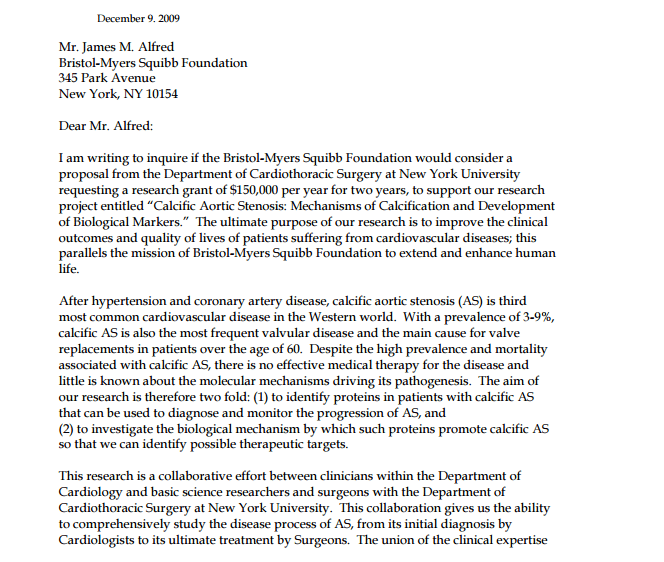
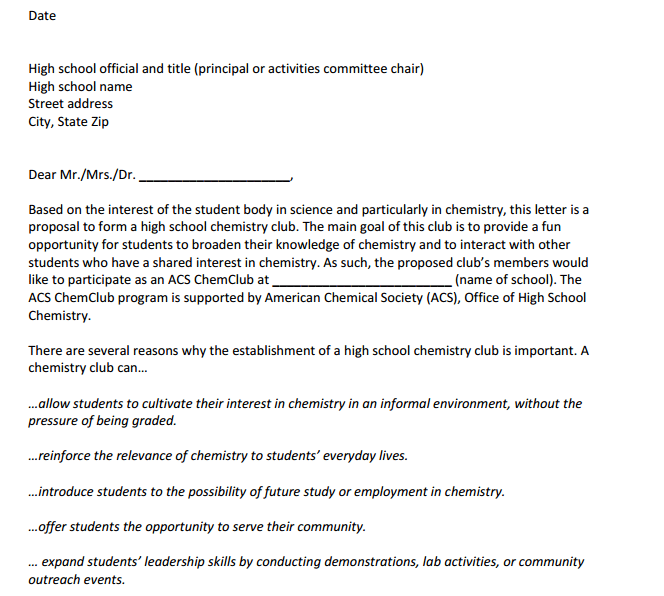
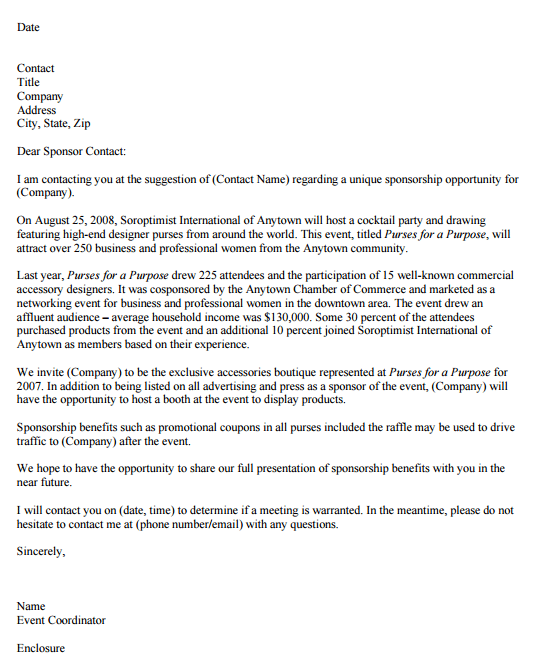
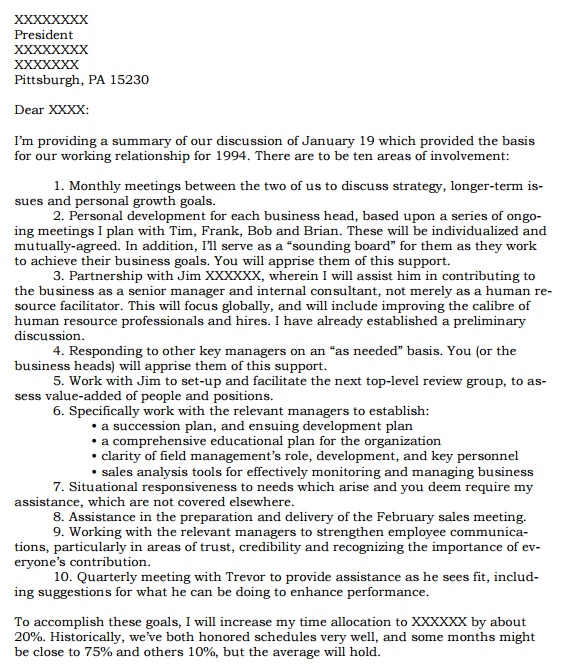
The four previews below link to external proposal resources, including PDF documents, and one download graphic has no destination. The collection includes letter-style resources as well as broader sample proposals. Check the actual document before adapting it to an email; a printed proposal’s full structure may be too long for the message body.
Use the email as a concise route into a specific discussion or as a covering message for a fuller proposal. It is different from a general company introduction. An introduction explains who you are; a proposal asks the recipient to evaluate something you want to do together or provide.
Determine whether the proposal is ready to send
Start with the recipient’s known need or a clearly stated reason for the approach. If the recipient has asked for a proposal, refer to the request and answer its requirements. If the approach is unsolicited, make relevance clear without pretending a discussion or agreement has already occurred.
Define the action you want: permission to prepare a detailed scope, a review meeting, feedback on an option, or acceptance through an appropriate process. Asking the recipient to “support our business” is too broad to guide a decision.
Check that you can explain the main deliverable, expected responsibility, timing, and any important assumptions. If those points are unknown, a discovery request may be more accurate than a fixed proposal. Do not present an early idea as a fully costed offer.
For a first contact with no defined project, the business introduction email templates may be a better starting point. Keep this proposal page focused on a concrete offer or next decision so the two kinds of message do not become interchangeable.
Write a subject line that identifies the decision
A subject such as “Proposal: Website Content Review for Cedar Studio” identifies both the type of message and its subject. “Important opportunity” or “Amazing business idea” tells the recipient little and can make the message look indiscriminate.
For an existing conversation, include a recognizable project or request reference. A short, accurate subject helps the recipient find the email later and connect it to the correct discussion. Do not use “Re:” to imply an earlier exchange that did not happen.
If the proposal is revised, make the version clear in the message or attachment name. Avoid calling several different documents “final” without identifying which one is intended for review. The recipient should be able to distinguish an earlier draft from the current offer.
Put the proposal’s core in the email
Begin with the reason for writing, then summarize the proposed work or arrangement. State the main outcome in practical terms. “Review twenty service pages and provide an editorial improvement plan” is clearer than “transform your brand through innovative excellence.”
Explain why the proposal is relevant to the recipient. Use accurate details from the request or other appropriate information. Do not invent a pain point, sales figure, or internal priority to make the message persuasive.
Describe the scope at the level needed for the requested decision. If the email only asks for a discovery meeting, it does not need a full contract. If it accompanies a priced offer, the message should identify the proposal document and any material limitations the recipient needs to notice.
Keep important assumptions visible. A completion date that depends on receiving source material should be described as conditional. A price covering only one defined phase should not sound like the price for the entire project.
A complete fictional proposal email
The following example uses fictional organizations and a simple editorial project. Its figures and dates are placeholders for illustration, not advice about market pricing.
“Subject: Proposal: Service-Page Review for Cedar Studio
Dear Priya,
Thank you for explaining that your team wants clearer descriptions of its three main services. I propose a review of the current service pages followed by a short editorial plan identifying unclear sections, missing information, and recommended revisions.
The first phase would cover the three pages listed in your enquiry. I would provide one review document and discuss it with you in a 30-minute call. Rewriting the pages and publishing changes are outside this initial phase and can be scoped separately if needed.
The illustrative fee for this phase is 400 currency units, subject to confirming the page list and access to the current material. I could deliver the review within ten working days after receiving the agreed inputs. The attached proposal sets out the assumptions and review process.
Would you be available on Tuesday or Thursday to confirm the scope before deciding whether to proceed? If another colleague approves this work, please let me know the appropriate contact.
Kind regards, Alex Rowan”
The example references the enquiry, defines a limited deliverable, states exclusions, and asks for a practical next step. It does not imply that silence accepts the offer or that the recipient has already authorized access or publication.
For your own message, replace every placeholder and verify the proposed timing and resources. If a price or deadline is provisional, explain what must be confirmed. Do not retain the example’s figures simply because they make the email look complete.
Scope, price, and assumptions
A concise proposal can still separate included work from excluded work. This prevents a recipient from assuming that a review includes implementation, or that a one-time service includes ongoing support.
A proposal form template can help organize the fuller information when the email needs an attachment. Keep the email summary consistent with that document. Different prices or deliverables in the two places create uncertainty about what is being offered.
If a price estimate is appropriate, state the currency, relevant basis, and any applicable conditions. A quotation template can support a separate pricing document. A quotation and proposal may overlap, but the reader should understand which document contains the operative scope and pricing detail.
Do not promise tax treatment, payment protection, or enforceability based on a generic template. For material commercial commitments, use the business’s appropriate approval and agreement process. The message should accurately communicate the offer rather than claim to settle every legal issue.
When the work needs more detailed responsibilities and acceptance criteria, a statement of work template may help define them. Link or attach the right supporting document rather than crowding every operational detail into the email.
Compare the message with its supporting document
Before sending, check the email against the proposal attachment line by line for the points that matter to the decision. A polished message is not enough if the attachment describes a different project.
| Point | Check in the email and attachment |
|---|---|
| Scope | The same deliverables and exclusions |
| Price | The same currency, basis and conditions |
| Timing | The same dates and input dependencies |
| Next step | A clear review or approval process |
If you discover a mismatch, correct both places or clearly identify which detail is provisional. Do not expect the recipient to infer that a more attractive statement in the email overrides a qualification buried in the attachment.
Check the file name and version as well as the contents. Attach the intended document and open the finished file to confirm it is readable. If you provide a link, ensure the recipient has the appropriate access without exposing unrelated material.
Partnership proposals need shared responsibilities
A proposed collaboration should explain what each party would contribute and what the next discussion needs to resolve. A vague promise of “mutual growth” is not enough to evaluate the arrangement.
For a referral partnership, distinguish an informal introduction from a paid referral arrangement. For a joint event, identify the proposed roles and unresolved decisions. For a shared project, explain which deliverables each party would own. Do not claim that the partnership exists before it is agreed.
Treat forecasts as estimates with a basis, not guaranteed outcomes. If the commercial case depends on assumptions, say what they are. A proposal can be persuasive while acknowledging uncertainty.
Merger, investment, and other substantial arrangements require specialized information and review beyond a general email sample. Use this structure to request an appropriate conversation, not to imply that a few paragraphs are sufficient to complete the transaction.
Ask for a clear next step
End with one main request. You might ask the recipient to confirm the scope, choose a meeting time, or tell you who reviews the proposal. Several competing requests can make the message harder to answer.
Set a response date only when it is meaningful and reasonable. Explain a genuine scheduling or offer-validity reason rather than creating false urgency. If the proposal has an expiry or availability condition, make it consistent with the supporting document.
Make the reply easy. A question with a small number of practical options can help, but leave room for the recipient to suggest another arrangement. Do not pressure them into a decision by implying that the proposal is already accepted.
Follow up accurately
Record when the proposal was sent, its version, and the requested next step. A follow-up should refer to that specific message and ask whether the recipient needs clarification. Avoid repeatedly sending a new introduction as though no prior contact occurred.
If the recipient changes the requirements, revise the proposal and identify the changes. Do not retain an old price or deadline when it no longer matches the scope. Keep the earlier version so the discussion can be traced.
Respect a decline or a request for no further contact. Use appropriate business communication channels and the rules applicable to the outreach. A template does not establish permission for unsolicited marketing.
A strong proposal email makes a considered decision easier. It cannot guarantee approval, revenue, partnership, or funding. Its credibility comes from a clear offer, accurate details, and a next step the recipient can reasonably take.
Below Are Business Proposal Email Templates

Business proposal email questions
How is a proposal email different from an introduction?
An introduction presents the business or person. A proposal asks the recipient to evaluate a defined offer, project, or collaboration and take a specific next step.
Should the full proposal be in the message body?
Use a concise summary when a longer document is needed. Identify the attachment and highlight the main scope, assumptions, and decision so the recipient understands why to review it.
Can I send a proposal before confirming every detail?
Yes, if you clearly describe it as preliminary and identify what needs confirmation. Do not present provisional prices, timing, or scope as settled commitments.
What should the closing request be?
Ask for one main action, such as confirming scope, arranging a discussion, or identifying the reviewer. Make the request proportionate to the information provided.
Does no reply mean acceptance?
Do not assume so. Use the appropriate approval and agreement process and keep a record of the actual response or authorization.
Are the four resources all editable email templates?
The gallery includes external PDF and proposal resources, plus one unlinked graphic. Check each resource’s actual format and adapt letter-style wording to the email context.

