
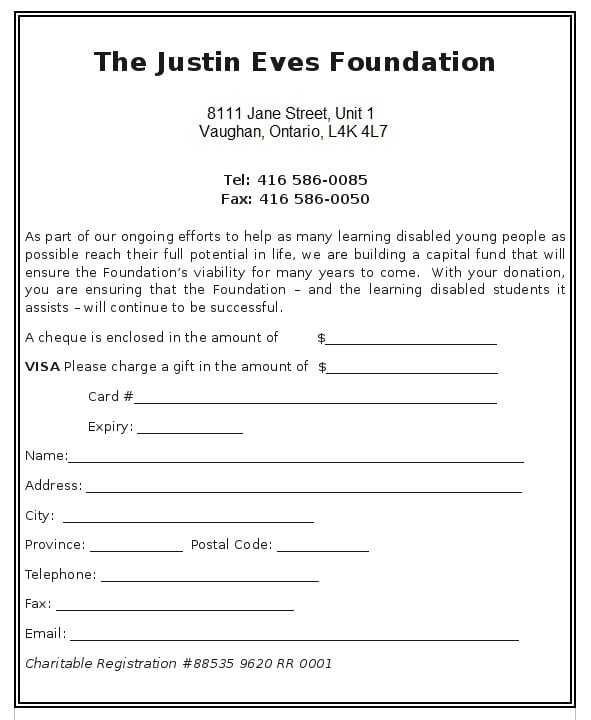
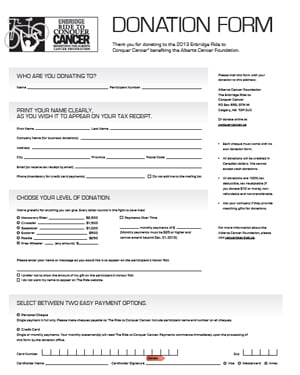
A charitable donation form template helps record donor details, the intended contribution and its status. Distinguish a pledge from a received gift and identify any related campaign or acknowledgment reference. A completed form alone does not establish payment or a donor’s tax position.
Use donation receipt templates for acknowledgment records, track campaign tasks in an action plan and maintain approved donor routes in a contact list. Connect the gift and acknowledgment by reference while keeping unnecessary personal information out of wider planning copies.
The six original previews below have three external donation or campaign-resource destinations and three unlinked download graphics. They are not six confirmed direct editable files. Inspect the selected resource and its actual purpose before using its layout.
The auction guide covers a fundraising-event context, the silent auction guide separates bidding and payment, and a cash receipt acknowledges actual received cash. A donation form should make the contribution’s real status clear while those other records remain distinguishable.
What Is a Charitable Donation Form?
A charitable donation form is a document used to collect information when an individual or organization makes a contribution to a nonprofit or charitable cause. It provides a structured way to record the donor’s information and details about the contribution.
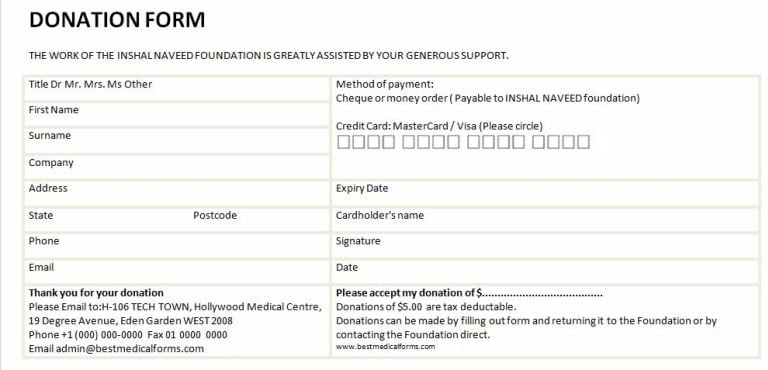
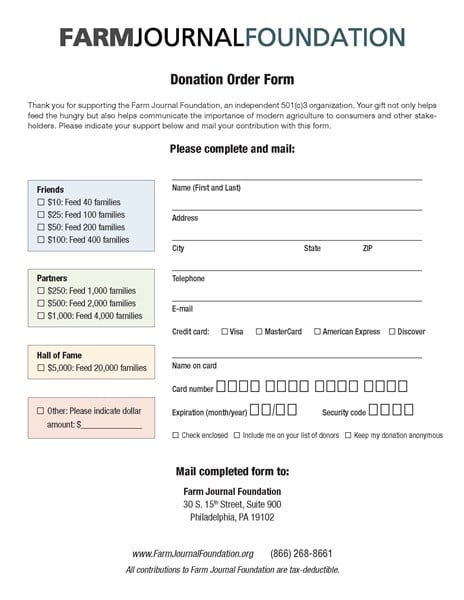
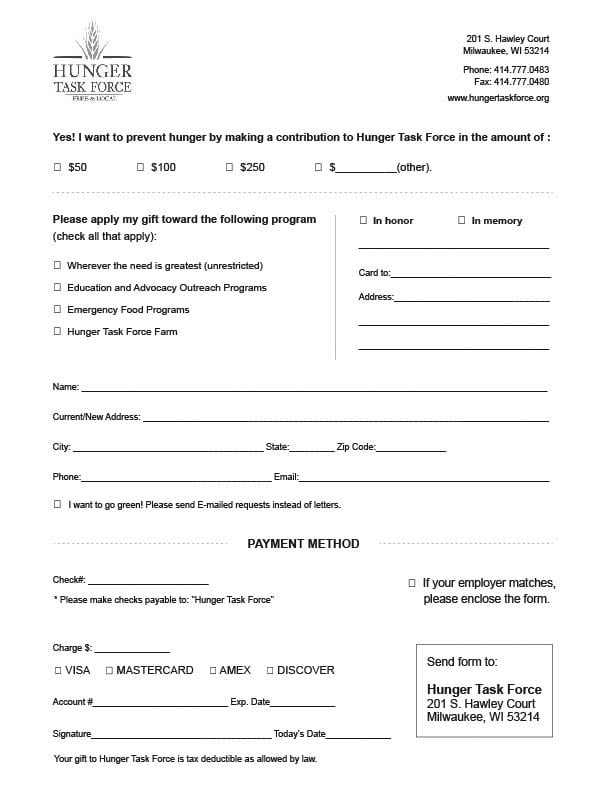
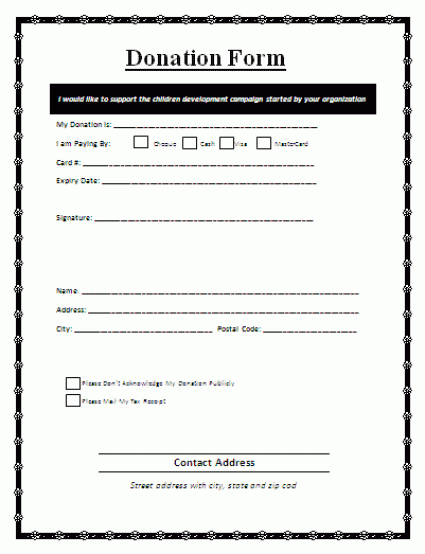
A professional charity donation form template can include the donor’s full name, address, telephone number, email address, donation amount, date of donation, preferred payment method, and purpose of the contribution. Additional fields can be included when required by the organization’s fundraising process.
Free Donation Form Template for Nonprofits
A nonprofit donation form can make fundraising administration more organized by giving every donor a consistent form to complete. It can be used during fundraising events, charity drives, community campaigns, school fundraisers, and other donation activities.
A standardized form can also help organizations maintain accurate donor records and follow up with contributors when appropriate. The templates on this page can be adapted for different fundraising purposes and organizational requirements.
Donation Form for Fundraising Events
A fundraising donation form is particularly useful when collecting contributions at an event. The form can provide space for donor information, contribution details, and the purpose of the donation.
For example, a school fundraiser may use a donation form to record contributions toward a specific program, while a nonprofit organization may use one during a charity event to document donations supporting a particular campaign.
Editable and Printable Charitable Donation Forms
An editable donation form template allows an organization to add its name, logo, contact information, campaign details, payment options, and other relevant fields. Customizing the form can make it easier for donors to understand where their contribution is going and how to complete the donation process.
A printable donation form can be useful at fundraising events, charity offices, community gatherings, and other situations where donors complete paper forms. Organizations that accept online contributions can also adapt the same information into a digital donation form.
How to Create an Effective Donation Form
A good charitable donation form should be simple, clear, and easy to complete. Start with the organization’s name and purpose, followed by donor information and donation details. Clearly identify the available contribution options and provide space for any information necessary to process the donation.
Avoid asking for unnecessary information. The simpler the form is, the easier it is for donors to complete it accurately. Before using the form for an actual fundraising campaign, review the fields and procedures to ensure they meet your organization’s administrative, financial, privacy, and applicable legal requirements.
Identify the recipient and campaign
Name the actual organization receiving the contribution and the relevant campaign or purpose. A campaign title is not necessarily the legal entity receiving funds. Clear identity helps donors understand who handles the contribution and whom to contact with questions.
Use authorized branding and accurate contact details. A sample should not imply that an unrelated organization is collecting or endorsing the donation. A logo and polished layout cannot establish the recipient’s registration or tax status.
If a purpose or restriction is offered, explain the actual arrangement through the organization’s appropriate process. Do not promise how funds will be used unless that promise accurately reflects the real campaign and applicable requirements.
Separate a pledge from a received contribution
A pledge records an intended contribution, while a received donation records an actual event. The form should identify which stage it concerns. An entered amount does not prove that money has reached the organization.
Keep payment initiated, pending, received, and refunded statuses distinguishable where the process uses them. A completed online form and a successful payment confirmation can be separate events. Record the actual information rather than treating every submission as settled income.
For recurring arrangements, the initial authorization and each later payment have different roles. Use the approved payment process and appropriate terms. A paper form alone does not create a functioning recurring-payment system.
Collect only relevant donor information
Ask for details needed to manage the actual contribution and appropriate acknowledgment. A name, contact route, and contribution reference may be relevant, while other information may not be. Do not collect data simply because the sample contains an empty field.
Keep donor recognition preferences distinct from administrative contact information. A person may want a private contribution while the organization still needs records. Explain the actual recognition choice instead of assuming every donor wants their name published.
Marketing or follow-up preferences should follow the relevant process and requirements. Making a donation does not automatically settle every permission question about later communications. The form should accurately describe how the information will be used.
Use the approved payment route
A donation layout can identify available payment methods without being a payment-processing system. Use the organization’s approved provider or process for the actual transaction. A printed card field does not establish suitable handling of sensitive payment data.
For card payments, do not store security codes after authorization. PCI SSC guidance explains that retention is prohibited even with customer permission. The general donation record should connect to an appropriate transaction reference rather than preserve prohibited authentication data.
The form should not collect online banking passwords or other credentials. An account or payment reference has a different purpose from access information. Keep the payment process and the administrative donation record distinguishable.
Understand acknowledgment and tax questions
United States IRS guidance on written acknowledgments describes information required for contributions of two hundred fifty dollars or more when substantiating a charitable deduction. It includes the recipient’s information about the contribution and goods or services provided in return. A donor’s completed request form is not automatically that acknowledgment.
The actual recipient status, type of contribution, benefits, documentation, and applicable rules matter to tax treatment. This article does not establish that every gift to an organization is deductible or that writing tax deductible on a template makes it so.
Use the appropriate current guidance and qualified assistance for the actual jurisdiction. Do not assume a generic receipt or donation form covers every required statement. The template organizes information for the real acknowledgment process.
Record noncash contributions honestly
Describe the property actually offered or received and identify the relevant date and reference. A proposed item and an accepted received item are different stages. The organization’s actual acceptance process determines what it can receive.
Do not invent a value merely to fill a field. Valuation and supporting requirements can depend on the contribution and applicable tax rules. A general form does not establish that the organization or donor can use any chosen amount.
If a contribution involves special conditions or documentation, handle those through the appropriate process. The template can connect the details and references without replacing a required appraisal, transfer record, or other substantive step.
Fictional example: contribution intake and acknowledgment
Imagine an invented donor submitting a form proposing a contribution of one hundred units of currency to a named community campaign. The intake record marks it pending until the organization’s appropriate payment record confirms receipt.
Once the payment is received, the organization connects the transaction reference with the donor record and issues the appropriate acknowledgment under its real process. The form’s submitted date and the actual receipt date remain distinguishable where needed.
The donor requests that their name not appear in public recognition. The organization records that preference separately from the contact details needed for administration. A public supporter list does not automatically reproduce every field from the intake form.
This example illustrates status and record connections only. It is not a tax determination or a recommended fundraising arrangement. Real campaigns need accurate recipient identity, appropriate payment handling, and the applicable documentation and communication requirements.
Review benefits and event contributions
A contribution associated with merchandise, admission, sponsorship, or another benefit may raise questions beyond a straightforward gift. Identify what the donor receives and use the applicable process. A form should not call every payment a fully deductible donation.
Keep auction payments distinguishable from general contributions when the records need that difference. A winning bid, amount paid, and any potential charitable component are not automatically the same figure. The relevant rules and actual benefits determine the treatment.
Describe the event and contribution purpose accurately. A sample for another campaign may contain benefits or terms that do not exist in yours. Remove those assumptions through appropriate review rather than preserving them to fill the page.
Inspect resources and prepare the working form
The original external destinations include donation pages and a campaign-resource page. They may not provide the same type of downloadable file. Review what the selected resource actually supplies and whether its context suits your organization.
Check room for necessary fields, relevant terms, and status references. A form that looks short and attractive may omit information required for the actual process. Keep it readable while preserving the details needed for a traceable record.
Clear actual donor details, contribution values, payment references, and acknowledgment marks from a reusable master. Demonstration copies should use invented information. Completed donor records should follow the organization’s appropriate storage and sharing process.
Reconcile and improve the process
Connect received contributions with the relevant payment and accounting records. Investigate duplicate submissions, unmatched references, refunds, and other discrepancies through the real process. A form count is not automatically the number of received donations.
Review repeated donor questions or missing information and improve the master where appropriate. A clearer field label can reduce ambiguity without asking for unnecessary private data. Keep changes consistent with the organization’s actual requirements.
A useful donation form supports accurate intake and administration. It does not guarantee successful fundraising, compliant payment handling, or a tax deduction. Its value comes from clear recipient identity, honest contribution status, appropriate data collection, and a traceable acknowledgment process.
Download Charitable Donation Form Templates Here

Frequently Asked Questions
Does submitting the form prove a donation was received?
No. Intake, payment initiation, and actual receipt can be separate events. Record the real status.
Are all six previews editable downloads?
No. Three original destinations are external pages and three graphics are unlinked. Inspect the actual selected resource.
Is a donation form automatically a tax acknowledgment?
No. The required acknowledgment and tax treatment depend on the recipient, contribution, benefits, documentation, and applicable rules.
Can I retain card security codes on the form?
No, not after authorization. PCI SSC guidance prohibits that retention even with customer permission.
Must every donor be publicly named?
Use the actual recognition preferences and applicable process. Administrative contact information and public recognition are separate functions.
What if the contribution is property rather than money?
Describe the actual item and relevant status. Use the appropriate acceptance, valuation, and supporting-document process instead of inventing a value.
Is an auction payment always fully deductible?
Do not assume so. Benefits and applicable tax requirements can affect the treatment of the actual transaction.
What should be cleared from the blank master?
Remove actual donor details, amounts, payment references, and completed acknowledgment marks while retaining the appropriate current fields.
