
This COVID-19 SOP templates collection contains four previews and four original PDF links. The documents are examples for examining how procedures are arranged. Their current approval status and suitability for your organization have not been established. Review the actual issuer, revision, intended setting, and applicable guidance before using any instructions.
An SOP, or standard operating procedure, records an approved way to perform a defined task. For respiratory illness, a useful procedure must reflect the setting, responsible roles, and current authoritative requirements. Copying an older example into a company document does not establish that it is safe, current, or compliant.
Use this guide to organize a review and prepare a controlled document. It does not provide a clinical treatment protocol or universal isolation, testing, or return-to-work rules. Those decisions require the appropriate current guidance and responsible professionals. The existing previews and resource destinations are preserved below for comparison.
Know what this collection provides
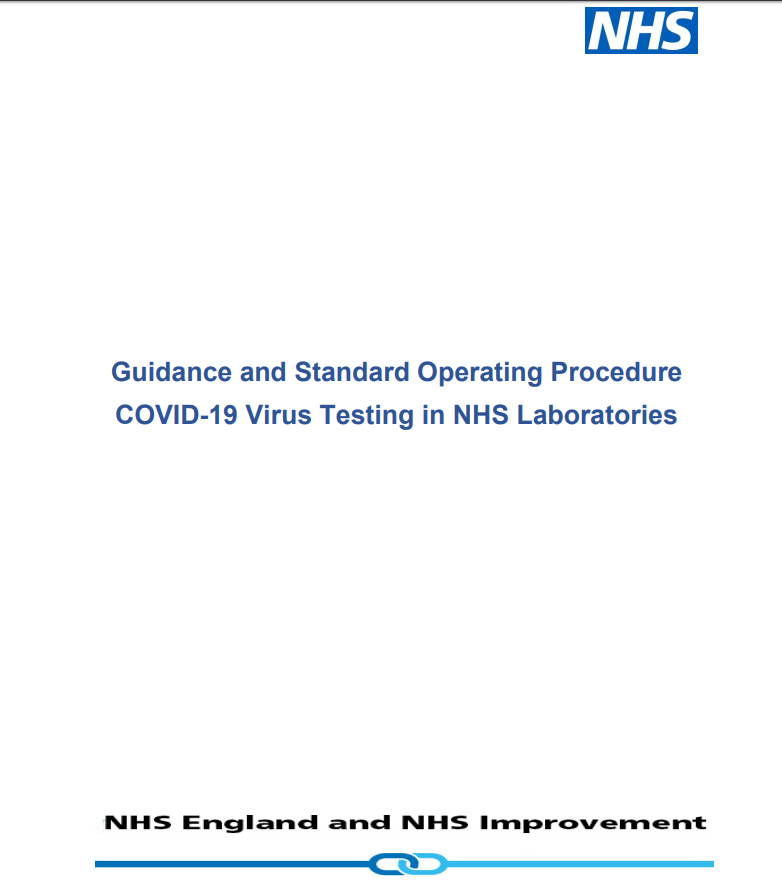
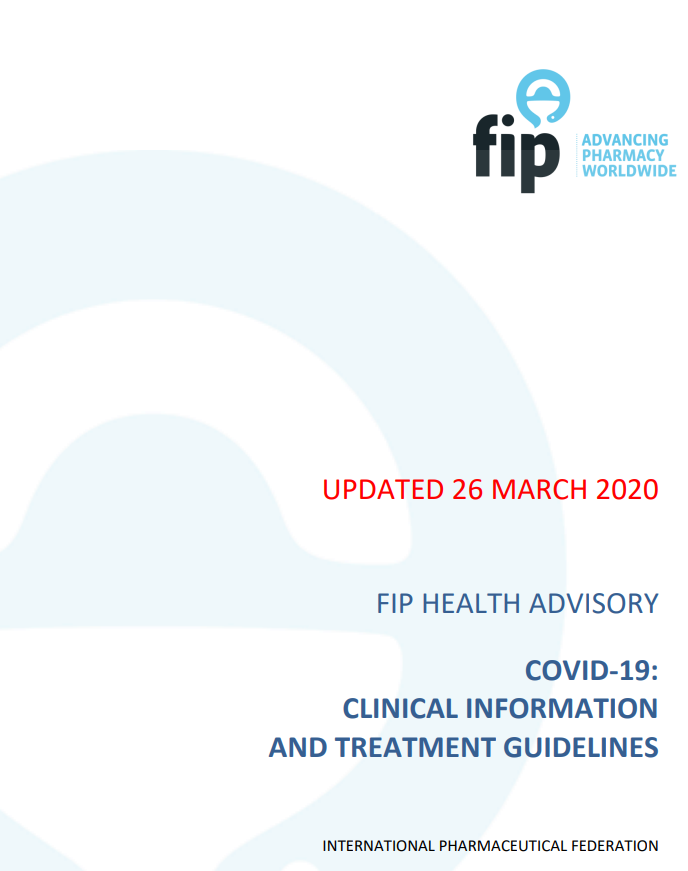
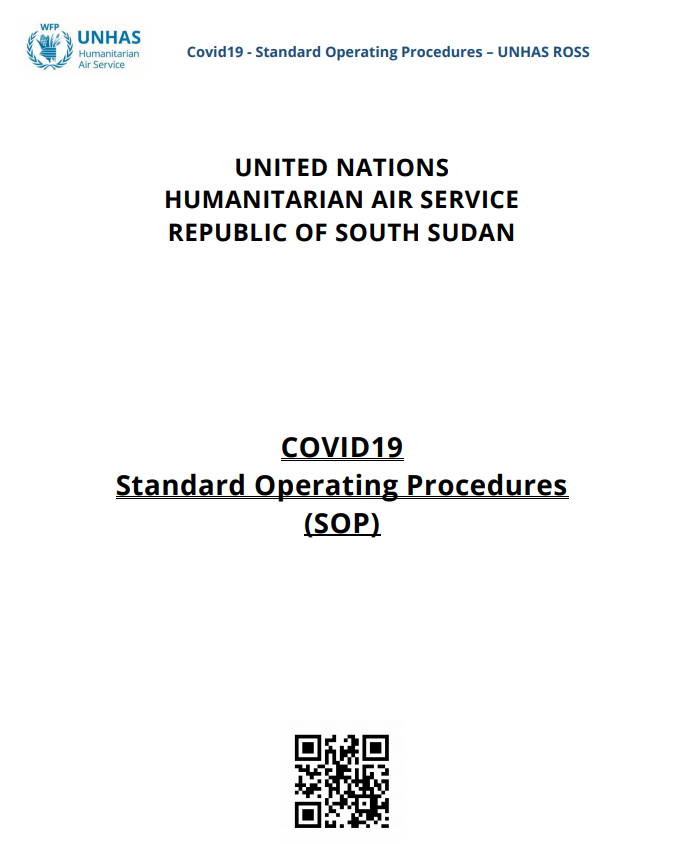
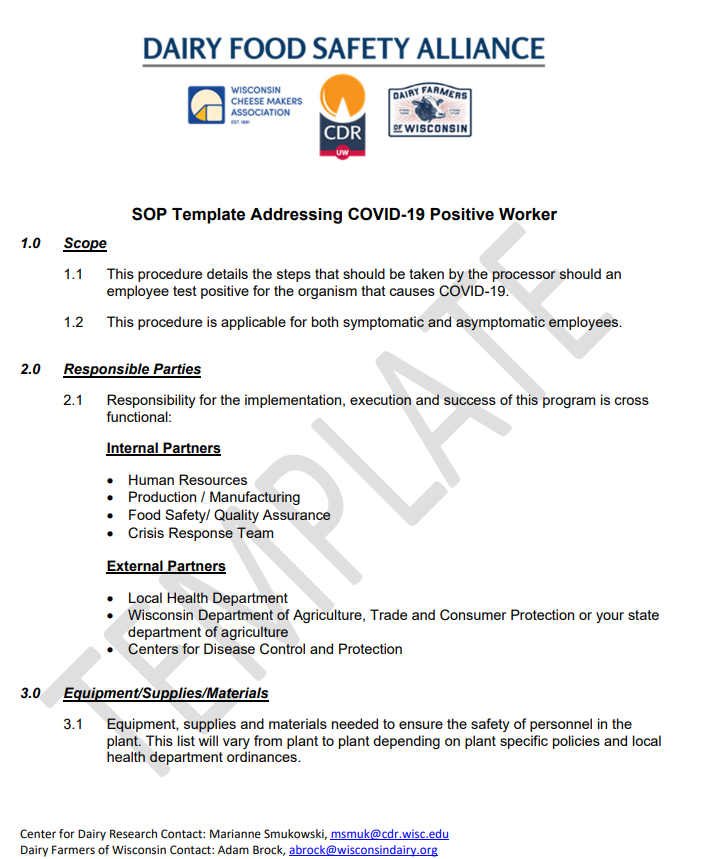
The gallery has four linked preview images, each followed by a PDF download link. One PDF filename refers to clinical information and treatment, another to a standard operating procedure, and another to worker practices. Filenames help identify the linked resources, but they do not establish their complete contents or present validity.
The PDF contents could not be independently retrieved during this editorial review. Consequently, this page does not certify their revision dates, recommendations, accessibility, or download availability. Inspect a file successfully obtained from the original destination and verify its details with the issuing organization before relying on it.
Treat upload paths cautiously
A date-like folder in a URL is not a reliable statement of a document’s publication or clinical review date. Look inside the document for its title page, issuer, version, approval, references, and revision history. If those details cannot be established, treat the resource as an unverified sample rather than an approved procedure.
Understand the format
The four document destinations use PDF extensions. That does not mean they contain editable Word layouts or interactive fields. A linked preview image provides a visual reference, while a downloaded PDF may require different tools and permissions for adaptation. Check the actual file and any stated reuse terms before preparing a local version.
Select current guidance for the actual setting
Current CDC respiratory illness prevention guidance describes core and additional prevention strategies for the general public. It explicitly directs readers to separate guidance for healthcare settings. That distinction should be reflected in the sources selected for your SOP; a general office document should not be assumed suitable for clinical care.
CDC also maintains guidance on preventing transmission of viral respiratory pathogens in healthcare settings. Organizations should consult the guidance appropriate to their location and service, together with applicable local requirements and qualified professional advice. These links were reviewed for this article on October 11, 2026; follow the linked sources for later changes.
Define one procedure and its boundaries
Start with a precise purpose, such as documenting how staff receive an approved policy update. State the sites, teams, activities, and circumstances covered by that procedure. A title as broad as “COVID rules” can obscure whether the document concerns administrative communication, visitor arrangements, clinical care, or occupational health decisions.
Identify related procedures and explain where responsibility transfers. For example, a receptionist may route a question to an authorized team without deciding its clinical answer. Clear boundaries prevent an administrative document from assigning decisions to people who lack the relevant authority or training.
Name the owner and approving roles
A document needs someone responsible for maintaining it, an appropriate approving role, and people who carry out its steps. Use role names that can survive personnel changes, with a current contact directory maintained separately. “Ask management” is less useful than an identified role and an accessible approved contact route.
The approval process should match the subject. A layout editor can improve readability, but that does not make them the clinical, infection prevention, legal, or occupational health approver. Record who reviewed the relevant parts and what approval covers, rather than using one signature as an undefined guarantee.
Build a traceable source register
For every substantive requirement, identify the authoritative source, relevant section, date checked, and reviewer. Keep enough detail for a later reader to find the basis of the instruction. A link without a note about its scope can be misunderstood when several sources address different populations or settings.
When sources conflict or leave an important question unanswered, assign it to the responsible reviewer. Do not silently choose whichever wording is easiest to copy. A documented unresolved item is more useful than an unsupported instruction presented as settled policy.
Separate examples from approved instructions
Mark draft material clearly during preparation. Keep sample wording in a working copy until it has been reviewed and replaced or approved. Once the procedure is issued, remove confusing draft alternatives so staff have one clear, controlled set of instructions for the defined situation.
Write steps that users can follow
Each operational step should identify the responsible role, the triggering event, the required action, and the relevant record or communication route. Put the steps in the order users encounter them. Explain unfamiliar abbreviations and avoid relying on a reader to infer which form, location, or system is intended.
Do not insert universal time periods or medical criteria into a general sample. If an approved procedure needs such requirements, the responsible professionals should establish them from the applicable current guidance. The article’s purpose is to help structure that review, rather than supply clinical values.
Plan resources and implementation
A procedure may depend on training, approved signs, communication tools, space, supplies, or technical systems. Identify the dependencies before assigning an implementation date. An instruction that staff cannot perform with available resources requires resolution, not merely a stronger reminder in the document.
A separate task list template can help track preparation tasks, owners, and completion evidence. Keep that implementation plan connected to the SOP version it supports. Completing a project task does not independently establish that the health requirements in the SOP have been professionally approved.
Coordinate supporting cleaning records
A local procedure may refer to the organization’s approved cleaning arrangements. Keep responsibilities, records, and the relevant product instructions clear. Avoid converting a general housekeeping list into a complete infection prevention protocol or claiming that a checked box proves a space is free of infection.
The cleaning checklist templates provide examples for organizing assigned areas and recorded tasks. Use any adapted checklist under the facility’s approved instructions and applicable product labeling. Its role is to record agreed work; it cannot supply missing specialist decisions or validate an unsuitable procedure.
Provide routes for questions and exceptions
People need to know where to raise uncertainty, missing supplies, inaccessible instructions, or circumstances outside the procedure’s scope. Specify the approved escalation route and which role can authorize a change. Staff should not have to invent a new practice because a sample document omitted a realistic situation.
Accessibility and communication needs deserve review during preparation. Check whether the intended audience can read, understand, and locate the instructions, and whether approved translations or alternative formats are required. Keep personal health details out of general staff notices and follow the appropriate confidentiality process.
Review the draft with a practical walkthrough
Use a fictional administrative scenario to examine the document’s clarity. For example, a site receives a revised approved visitor notice: who checks its version, who replaces the old notice, and how is completion recorded? This tests document handling without pretending to demonstrate the effectiveness of a clinical intervention.
A checklist template can organize the editorial review: correct version, defined owner, working contact route, clear scope, and recorded approval. Passing this document review does not itself certify infection control effectiveness. Specialized requirements still need the appropriate professional assessment.
Control versions and withdraw obsolete copies
Place a document identifier, version, approval date, effective date, and review responsibility where users can find them. Maintain an approved location for the current copy. Record changes so that staff understand which instructions have been replaced and whether further communication or training is required.
When an SOP changes, review supporting notices, forms, and local copies as well. A new master file is insufficient if outdated instructions remain printed at a workstation. Decide how withdrawn versions are retained for the required record history without allowing them to be mistaken for current instructions.
Set review triggers rather than assuming permanent validity
A review schedule helps, but changes may require earlier attention. Examples include an authoritative guidance update, a change in service or facilities, or a reported difficulty carrying out the approved procedure. Assign a person to assess those triggers through the organization’s established process.
Keep the resulting decision and its basis traceable. If the procedure remains unchanged after a review, record that review appropriately instead of inventing a new version solely for appearance. If it changes, follow the approval and communication process before presenting the revision as active.
Compare the preserved examples
The original four previews and PDF destinations follow. Use them to examine arrangement, section order, and document presentation after checking the actual files. Their presence on this page should not be interpreted as endorsement of treatment recommendations or confirmation that an older instruction remains appropriate.
For a new operational procedure, begin with current applicable sources and professional review, then choose a layout that presents the approved content clearly. A useful SOP is a maintained organizational document with a defined purpose and responsible owner, rather than a downloaded file assumed to apply everywhere.
Free CoronaVirus SOP Templates:

Frequently Asked Questions
Are these four PDFs current approved COVID-19 procedures?
Their current approval and revision status has not been established. Check the actual document and issuing organization, then review it against current guidance for your setting.
Are editable Word files included?
The four original document links point to PDF destinations. An editable Word version or fillable PDF should not be assumed from the previews.
Can a business copy a healthcare SOP?
Do not assume that a healthcare procedure applies to an ordinary workplace. Select guidance for the actual setting and obtain the relevant organizational review.
Does the clinical-information filename make that PDF a treatment recommendation?
No. A filename does not establish present clinical suitability. Qualified professionals should use current appropriate sources for clinical decisions.
Can one isolation or return-to-work period be used everywhere?
This collection does not establish a universal period. Applicable guidance, setting, role, and organizational requirements must be considered by the responsible professionals.
Does the upload folder establish the publication date?
No. Check the document’s own issuer, version, publication information, and revision history. A URL folder alone is insufficient evidence.
Does a completed checklist certify infection prevention?
No. A checklist can record defined actions or document review. It does not prove that a procedure is clinically suitable or that infection has been eliminated.
When should an SOP be reviewed?
Follow the organization’s review schedule and assess relevant triggers, such as guidance changes, service changes, or implementation difficulties. Record approval and communicate any revised instructions.

