
A business introduction letter template helps explain your company and the reason for approaching a particular reader. Use accurate information, a relevant point of connection and a clear optional next step. A useful letter is tailored to the relationship rather than a long generic sales pitch.
Provide background through a company profile, use approved company letterhead for formal correspondence and compare shorter approaches in client introduction emails. Keep specific offers separate from the introductory message so the recipient can understand the purpose quickly.
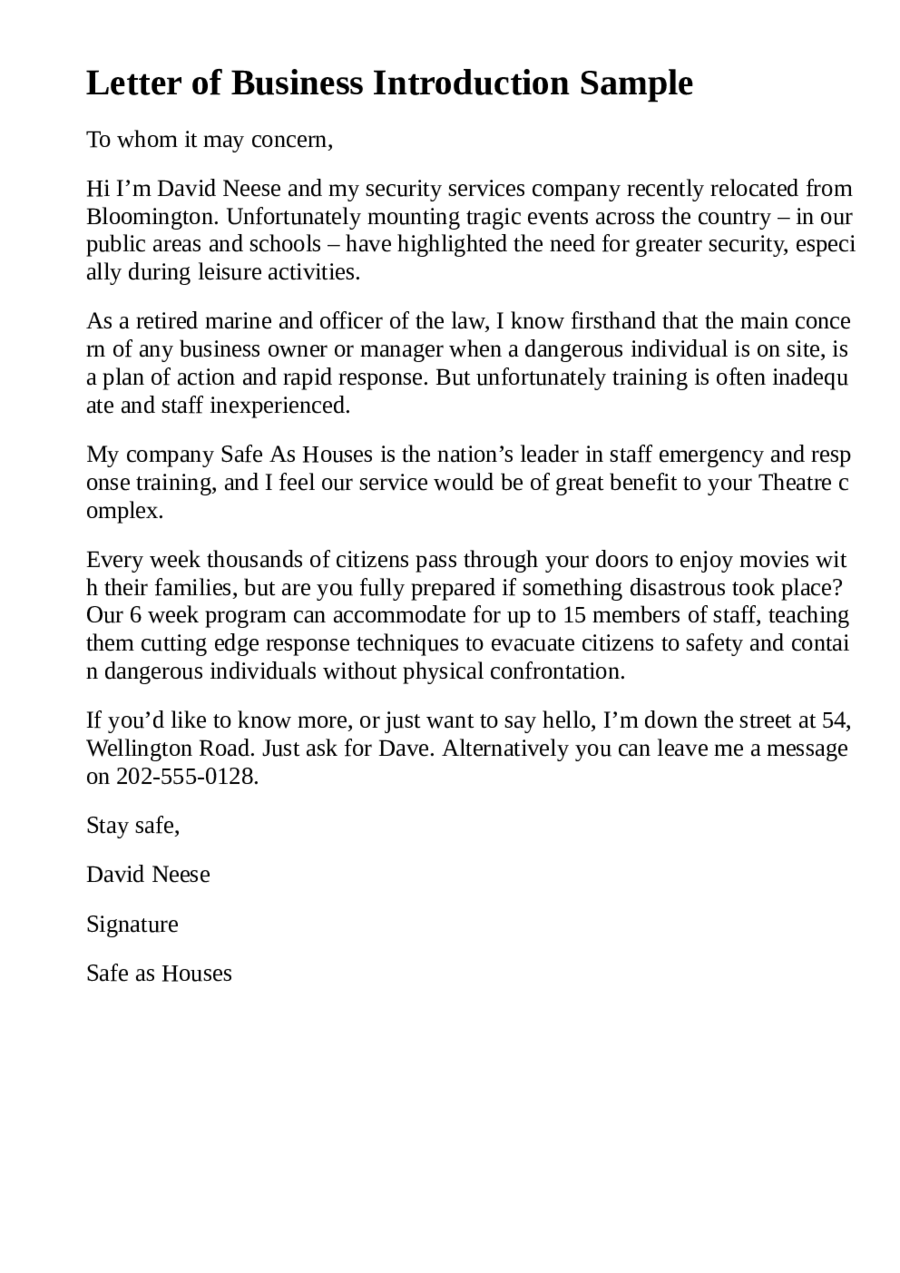
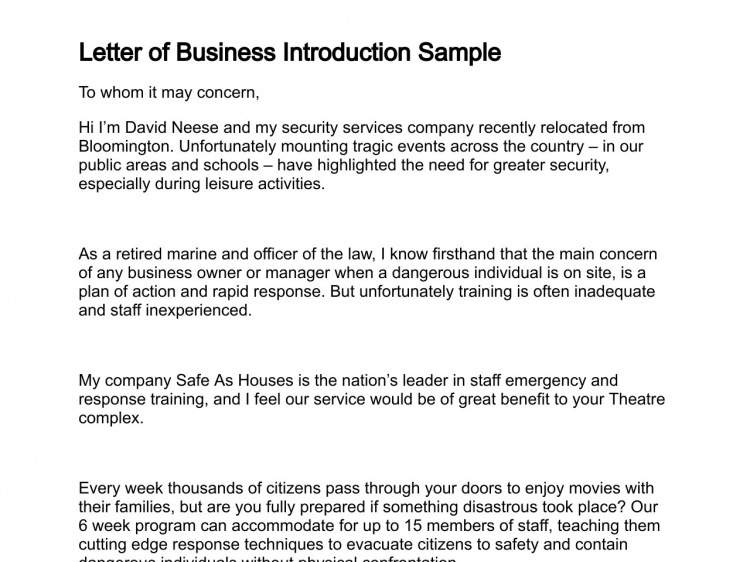
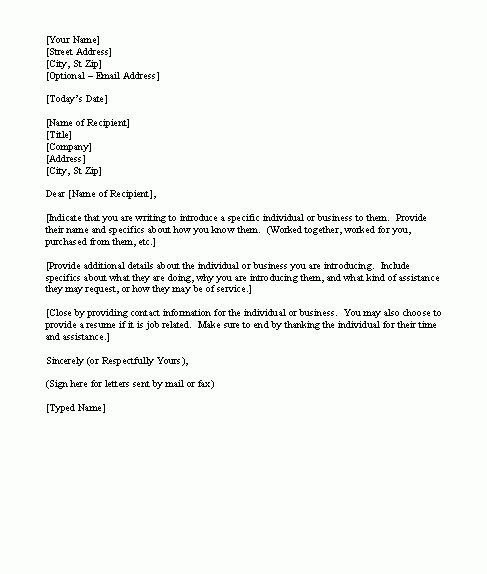
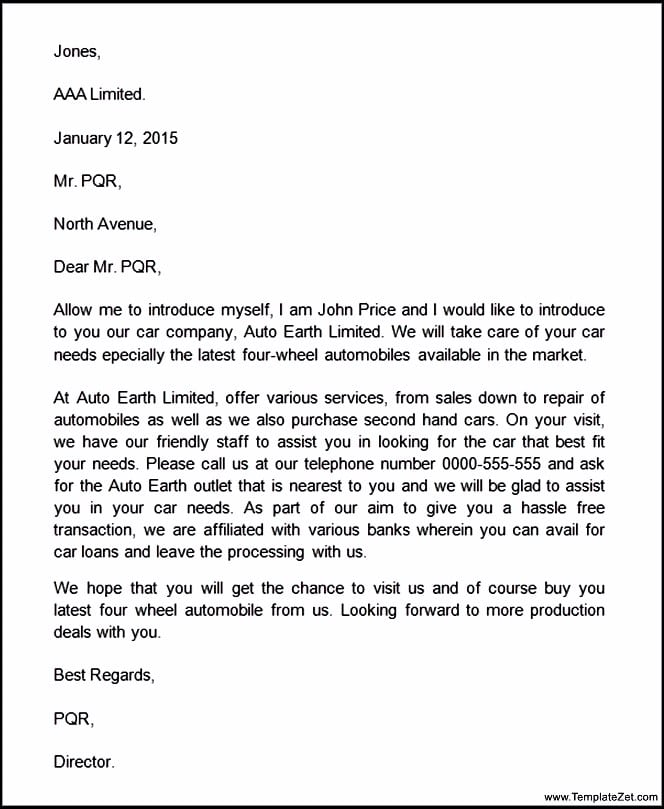
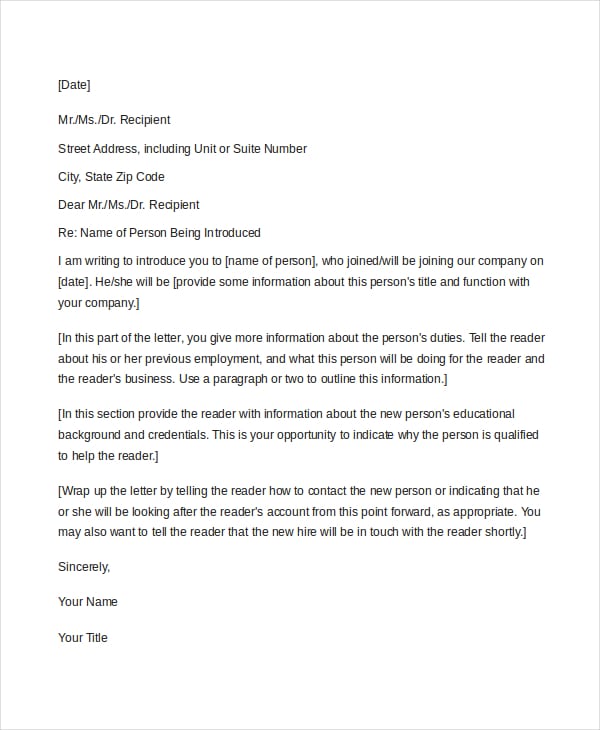
The five letter previews below provide starting points for format and wording. They include links to external letter resources, while one download graphic has no attached destination. Review the available resource and its terms before assuming a preview supplies an editable file. Select a format that suits the relationship, then replace the sample claims with accurate details about your business.
This guide focuses on a formal letter sent by post or as an attachment: for example, a supplier introducing its services to a purchasing manager or a consultancy approaching a possible partner. A letter can be delivered by email, but the document itself should still read as a coherent business letter rather than a sequence of promotional slogans.
Decide what the introduction needs to achieve
Choose one purpose before selecting a sample. You might be introducing a new supplier, presenting a specialist service, explaining a change of business ownership, or connecting two contacts who have agreed to the introduction. Each purpose calls for different information.
For a first approach to a prospective client, establish relevance without pretending you know the recipient’s private plans. You can refer to a publicly stated service area or a genuine previous conversation. Avoid statements such as “We know you urgently need our help” unless the recipient actually told you so.
For an existing contact, state what is new. A company that has expanded its delivery area should explain that change rather than write as though the reader has never heard of it. If you are introducing an individual, clarify the person’s role and how it relates to the reader’s work.
Keep the requested outcome modest and specific. Asking whether the recipient would like a short capability summary is clearer than asking them to “join our success.” The introduction opens a discussion; a full commercial offer usually requires scope, pricing, and terms that are better handled separately.
Use a complete letter format
Include the sender’s business name and contact details, the date, the recipient’s name or role, and the recipient’s organization. Use an accurate address when sending by post. If you do not know the relevant person’s name, a suitable role-based salutation is preferable to inventing one.
A company letterhead template can help arrange these details consistently. Check that the address, telephone number, website, and business name are current. An attractive header with outdated contact information makes the introduction less useful.
A short subject line can identify the purpose, such as “Introduction: Facilities Maintenance Support.” Follow it with a courteous salutation, focused body paragraphs, a closing, and the sender’s name and role. If you include an attachment or enclosure, identify it clearly.
Aim for a document the recipient can scan in a few minutes. A formal letter commonly fits on one page, although the appropriate length depends on the situation. If the background needs several pages, send a concise introduction and refer to a separate document rather than hiding the request at the end of a long history.
Put the recipient’s reason to care near the beginning
The opening should identify you and connect your purpose to the recipient. “I am writing to introduce Northfield Workshop Services, which provides scheduled equipment maintenance for small fabrication businesses” gives the reader more information than “We are delighted to introduce our esteemed company.”
The next paragraph should explain the relevant capability or fit. Choose one or two details that answer the reader’s likely question: what can this company help us do? Describe the service area, type of work, or practical arrangement accurately. Do not list every product merely because it exists.
Support useful claims with facts you can substantiate. A defined delivery area, a relevant qualification, or an example of a completed project may be appropriate when accurate and permitted to share. Avoid invented awards, unnamed “leading clients,” or guarantees that the business cannot support.
A company profile format is useful when the recipient needs a fuller description of your activities, team, and experience. Mention the profile as supporting information rather than reproducing its entire contents inside the introductory letter.
An illustrative letter for a potential business client
The following example uses fictional organizations and deliberately avoids claims about certifications, prices, or past clients. Adapt its structure and replace every detail with information you can verify.
“Dear Ms. Rivera,
I am writing to introduce Northfield Workshop Services, a local maintenance business serving small fabrication workshops in the Northfield area. I manage our service enquiries and scheduling.
Our work includes planned maintenance visits and clearly documented repair recommendations for the equipment within our service scope. For workshops arranging maintenance outside production hours, we can discuss available appointment windows and the information needed before a visit.
I noticed that your company lists fabrication services at its Northfield premises. If you are reviewing maintenance suppliers, I would be pleased to send a brief capability summary and learn which types of equipment you need support for.
Would you prefer that summary by email, or is there another person responsible for supplier enquiries? You can reach me using the contact details above.
Yours sincerely, Alex Morgan Service Coordinator, Northfield Workshop Services”
The first paragraph answers who and where. The second explains the relevant service without promising that every repair can be completed. The third gives a reasonable basis for the approach and leaves the recipient free to decide whether it fits. The final question makes responding easy.
If the recipient has already requested information, change the opening to reference that request and include the promised material. Do not retain language suggesting an unsolicited first approach when a relationship already exists.
Adapt the letter to the relationship
For a supplier introduction, state what category of goods or services you provide and how enquiries should be directed. Mention a catalog or capability sheet only if it is available. Avoid attaching an extensive price list unless it is requested or clearly relevant to the purpose.
For a consultant introducing a service, explain the problem area and the type of engagement. A reader needs to distinguish a short advisory session from an ongoing implementation service. Use precise language about what the service covers without assuming the recipient has already agreed to work with you.
For a partner introduction, explain the possible connection between the organizations. For example, complementary service areas may justify a discussion about referrals. Do not describe a partnership as established when you are merely asking whether the other organization would consider one.
When introducing two people, obtain appropriate agreement before sharing personal contact details. State how you know each person and why the connection may be useful. Keep the description accurate and allow them to decide whether to continue the discussion.
An introduction connected to a change of owner or manager should explain continuity: who now handles enquiries and whether existing contact arrangements have changed. Avoid suggesting that contracts, prices, or commitments have automatically changed unless that is accurate and properly communicated.
Choose between a letter and an email
A formal letter is useful when the recipient expects an official document, when the introduction accompanies a printed package, or when a signed attachment needs to be retained. An email may be more practical for a brief first contact or a response to an online enquiry.
If your intended message is a short email, the business introduction email templates provide a more suitable starting point. Do not simply paste a postal address block into a message that needs a concise subject line and a short reply request.
For an attached letter, the covering email should identify the attachment and its purpose. Use a recognizable file name, check that the document opens, and ensure the contact details are visible. Avoid sending several large attachments before the recipient has expressed interest.
Use business contact channels appropriately and follow the rules that apply to your outreach. A generic letter template does not establish permission to send marketing messages or remove obligations about privacy and unsolicited contact. Keep the message relevant and respect requests not to continue contact.
Review the content before sending
Read the letter from the recipient’s viewpoint. Can they identify the business, understand the relevance, and find the request without rereading? If the answer is unclear, shorten general praise and add a specific, truthful explanation.
Check names, titles, addresses, service descriptions, and dates against reliable records. Make sure that a previous recipient’s name has not remained in the salutation or body. Copying a sample is convenient, but a single leftover detail can undermine confidence in the whole document.
Remove vague claims such as “best quality at the lowest price” unless you can substantiate the claim and it serves a real purpose. A restrained description of your actual service is more useful than unsupported superiority. Likewise, do not promise capacity or turnaround time without confirming availability.
Check the requested action against what you are prepared to provide. If you offer a capability summary, prepare it before sending the letter. If you propose a call, supply a contact method and a practical way to arrange a time.
Keep a useful record of the approach
Save the final version with the recipient and date in your correspondence record. Note what information you offered and any response. This helps you follow up accurately without sending repeated introductions that ignore an earlier discussion.
A follow-up can briefly refer to the original purpose and ask whether the information would be useful. Avoid implying that silence is acceptance of an offer. If the recipient declines or asks for no further contact, record that instruction and respect it.
When interest develops into a defined request for work, prepare the appropriate scope and commercial documents. The introduction should remain an accurate record of how the relationship began, rather than being stretched into an agreement it was never designed to create.
There Are Business Introduction Letter Templates

Business introduction letter questions
How is an introduction letter different from a proposal?
An introduction establishes who you are and why a conversation may be relevant. A proposal describes a defined offer, scope, or solution for consideration. Do not imply that the introductory letter confirms a commercial agreement.
Can I send a formal introduction letter as an email attachment?
Yes, when a formal document suits the situation. Keep the covering message concise, identify the attachment, and use a file name the recipient can recognize.
What should I write if I do not know the recipient’s name?
Use an appropriate role or department, such as the purchasing manager, after checking that it is relevant. Avoid inventing a name or addressing a private individual without a sound reason.
Should I include prices in the first letter?
Include them only when they are relevant, accurate, and appropriate to the enquiry. A first introduction often works better with a brief capability description and an offer to provide requested details.
Can I introduce two contacts without asking them?
Check that sharing their details and making the connection is appropriate. Explain the reason for the introduction accurately and let the contacts decide whether to continue.
Are all five previews downloadable editable letters?
The page includes external resource destinations and one unlinked download graphic. Confirm what each available resource actually supplies before assuming that it includes an editable letter file.

